April 16, 2026

market trends

Kicking off with bitcoin news buy, this overview highlights the latest developments in the Bitcoin sphere, capturing the essence of price movements and regulatory changes that influence investor decisions. The world of Bitcoin is buzzing with activity, from significant price fluctuations that draw attention to new regulations that shape its future.

As we delve deeper, we’ll explore the current market trends that guide trading strategies, the impact of global economic factors, and the crucial role institutional investors play in this volatile landscape.

Overview of Bitcoin News

Recent developments in the Bitcoin landscape have captured significant attention from both investors and regulators. As Bitcoin continues to gain traction as a legitimate asset class, fluctuations in its price have sparked discussions regarding its future viability. The significance of these price movements cannot be understated, as they reflect broader market sentiments and investor confidence. Regulatory changes are also playing a crucial role, shaping the environment in which Bitcoin operates.

Latest Developments in Bitcoin

The latest trends in Bitcoin have shown a notable increase in institutional adoption, with several major companies integrating Bitcoin into their corporate strategies. Recently, Bitcoin’s price experienced a surge, reaching new highs, driven by increased demand and positive sentiment from institutional investors. Regulatory bodies across different countries are also working to clarify their stances on cryptocurrency, which adds to the complexity of the market.

Significance of Price Movements

Understanding the implications of Bitcoin’s price fluctuations is essential. These movements often signal investor confidence and market dynamics. For instance, when Bitcoin surges, it typically attracts new investors seeking to capitalize on potential profits. Conversely, significant drops can lead to panic selling, reflecting the volatile nature of this digital asset.

Regulatory Changes Impacting Bitcoin

Regulatory changes have significant implications for Bitcoin and its users. Recently, developments in legislation, particularly in the United States and Europe, have provided clearer guidelines for cryptocurrency trading and taxation. These regulatory frameworks aim to enhance consumer protection while promoting innovation in the space, ultimately affecting market stability.

Understanding Market Trends

Current market trends offer valuable insights into Bitcoin trading and investment strategies. As Bitcoin becomes more mainstream, various factors contribute to its price movements, including economic indicators and institutional participation.

Current Trends in Bitcoin Trading

Bitcoin trading is experiencing a distinct shift, characterized by increased participation from institutional investors. This trend reflects a growing recognition of Bitcoin as a legitimate asset class, with many large financial institutions incorporating it into their portfolios. The rise of decentralized finance (DeFi) platforms is also influencing trading patterns, as users explore new ways to leverage their Bitcoin holdings.

Global Economic Factors Influencing Prices

Bitcoin prices are often influenced by global economic factors such as inflation rates, interest rates, and macroeconomic stability. For example, in times of economic uncertainty, investors may turn to Bitcoin as a hedge against inflation, driving up demand and subsequently the price.

Role of Institutional Investors

Institutional investors have increasingly entered the Bitcoin market, bringing with them significant capital and credibility. Their strategies often involve long-term holding, which can stabilize prices and attract retail investors looking for more secure trading environments. The participation of hedge funds and publicly traded companies further legitimizes Bitcoin in the eyes of traditional investors.

Buying Bitcoin: Best Practices

Purchasing Bitcoin requires careful consideration and adherence to best practices to ensure a secure transaction. Understanding the various platforms and methods available for buying Bitcoin is crucial for new investors.

Steps to Purchase Bitcoin Securely

To buy Bitcoin securely, investors should follow these steps:

  1. Choose a reputable cryptocurrency exchange that complies with local regulations.
  2. Create an account and complete the necessary identity verification processes.
  3. Enable two-factor authentication (2FA) for added security.
  4. Deposit funds using a secure payment method.
  5. Place an order to purchase Bitcoin.

Platforms and Exchanges for Buying Bitcoin

Several platforms and exchanges are available for buying Bitcoin, each with unique features:

  • Coinbase: Known for its user-friendly interface and strong security measures.
  • Binance: Offers a wide range of cryptocurrencies and advanced trading features.
  • Kraken: Renowned for its extensive security protocols and transparency.
  • Gemini: Focuses on compliance and regulatory adherence, catering to institutional investors.

Comparing Fees Associated with Different Buying Methods

When purchasing Bitcoin, it is essential to consider transaction fees. Different platforms charge varying fees based on the payment method used:

Exchange Credit/Debit Card Fee Bank Transfer Fee
Coinbase 3.99% 1.49%
Binance 1.5% 0.1%
Kraken 3.75% + $0.25 0.1%

Risks Associated with Buying Bitcoin

Investing in Bitcoin carries inherent risks that potential buyers should be aware of. Understanding these risks can help investors make informed decisions.

Potential Risks Involved in Bitcoin Investment

The primary risks associated with Bitcoin investment include market volatility, regulatory changes, and security vulnerabilities. Significant price fluctuations can lead to substantial financial losses, making it crucial for investors to conduct thorough research.

Common Scams and How to Avoid Them

Several scams target Bitcoin investors, including phishing schemes and Ponzi schemes. To avoid falling victim to these scams, it is essential to:

  • Verify the legitimacy of websites and exchanges before making transactions.
  • Never share private keys or sensitive information with anyone.
  • Be cautious of offers that seem too good to be true.

Volatility of Bitcoin and Its Implications for Buyers

Bitcoin’s price volatility is a key characteristic that can lead to both opportunities and risks for investors. While rapid price increases can result in significant profits, sudden downturns can lead to losses, requiring buyers to be prepared for price swings.

Investment Strategies for Bitcoin

Investing in Bitcoin requires strategic planning and understanding of market dynamics. Various strategies exist for both short-term and long-term investors.

Different Strategies for Investing in Bitcoin

Investors often adopt different strategies based on their risk appetite and investment goals. Common strategies include:

  • HODLing: Long-term holding strategy aimed at capitalizing on future price increases.
  • Day trading: Actively buying and selling Bitcoin to profit from short-term price movements.
  • Dollar-cost averaging: Investing a fixed amount regularly to reduce the impact of volatility over time.

Tips for Long-Term Bitcoin Holders

For those looking to hold Bitcoin over the long term, consider implementing the following strategies:

  • Regularly review investment goals and adjust positions as needed.
  • Store Bitcoin in a secure wallet, preferably a hardware wallet for added security.
  • Diversify investments to mitigate risks associated with market volatility.

Comparing Short-Term vs. Long-Term Investment Approaches

Investors need to understand the differences between short-term and long-term investment approaches. The following table summarizes key aspects:

Aspect Short-Term Long-Term
Investment Horizon Days to weeks Months to years
Risk Level High Moderate
Strategy Focus Market timing Fundamental analysis

Bitcoin Market Predictions

Expert predictions about Bitcoin’s price movements often reflect historical trends and current market dynamics. Understanding these predictions can help investors make informed decisions.

Expert Predictions for Bitcoin Price Movements

Experts have varied opinions on future Bitcoin prices, with some predicting substantial growth driven by increased adoption and institutional investment. Historical data indicates that Bitcoin has often rebounded after significant corrections, leading many analysts to remain optimistic about its long-term potential.

Historical Patterns and Their Relevance

Historical patterns in Bitcoin price movements reveal important insights. For instance, Bitcoin has experienced several bull runs followed by corrections, typically aligning with broader market cycles. These historical trends suggest that Bitcoin’s price may continue to experience volatility but also potential for upward movement.

Potential Scenarios for Bitcoin’s Future

Considering current events, several scenarios could unfold for Bitcoin’s future:

  • Increased regulatory clarity leading to greater institutional investment.
  • Adoption of Bitcoin as a payment method by major retailers, boosting mainstream acceptance.
  • Market corrections due to external economic pressures or technological challenges.

Resources for Bitcoin Buyers

For new investors, reliable resources are essential for staying updated and informed about Bitcoin. Various platforms and communities are available to facilitate learning and discussion.

Reliable News Sources for Bitcoin Updates

Staying informed about Bitcoin developments is crucial. Consider following these reputable news sources:

  • CoinDesk: A leading news website covering cryptocurrency and blockchain technology.
  • CoinTelegraph: Offers in-depth articles and analysis on Bitcoin and other cryptocurrencies.
  • Decrypt: Provides news, original reporting, and commentary on the crypto space.

Educational Resources for New Bitcoin Buyers

For those new to Bitcoin, the following educational resources can be beneficial:

Resource Description
Mastering Bitcoin by Andreas M. Antonopoulos A comprehensive guide to Bitcoin, suitable for both technical and non-technical readers.
Bitcoin.org An informative website providing guides, tutorials, and resources for Bitcoin users.
Online Courses (e.g., Coursera, Udemy) Courses covering cryptocurrency basics and advanced trading strategies.

Community Forums and Groups for Bitcoin Discussions

Engaging with the community can enhance understanding and provide valuable insights. Consider joining these forums and groups:

  • BitcoinTalk: A popular forum for discussing Bitcoin and other cryptocurrencies.
  • Reddit (r/Bitcoin): A community where users share news, questions, and opinions about Bitcoin.
  • Telegram groups: Various groups exist for real-time discussions and networking.

Tax Implications of Buying Bitcoin

Understanding the tax implications of Bitcoin transactions is crucial for compliance and financial planning. Different regions have varying regulations regarding cryptocurrency taxation.

Tax Obligations for Bitcoin Transactions

In numerous jurisdictions, Bitcoin is classified as property, meaning that capital gains tax applies to its sale. Investors must keep accurate records of transactions to report gains or losses correctly.

How to Report Bitcoin Investments on Tax Returns

Reporting Bitcoin on tax returns typically involves detailing all transactions, including purchases, sales, and exchanges. Investors should report capital gains or losses based on the acquisition and sale prices.

Tax-Efficient Strategies for Bitcoin Ownership

To optimize tax efficiency, consider employing the following strategies:

  • Holding Bitcoin for more than a year to benefit from long-term capital gains rates.
  • Utilizing tax-advantaged accounts, if available, for cryptocurrency investments.
  • Consulting with a tax professional to navigate complex regulations and ensure compliance.

Final Summary

In summary, staying informed about bitcoin news buy is essential for anyone looking to navigate this dynamic market. As we’ve discussed, understanding the risks, investment strategies, and market predictions can empower buyers to make informed decisions while uncovering opportunities in the evolving Bitcoin ecosystem.

FAQ Summary

What is the best platform to buy Bitcoin?

The best platform depends on your needs, but popular choices include Coinbase, Binance, and Kraken, each offering various features and fees.

How can I ensure the security of my Bitcoin?

To ensure security, use hardware wallets, enable two-factor authentication, and always keep your private keys confidential.

What are common scams to watch for in Bitcoin?

Common scams include phishing attacks, Ponzi schemes, and fake exchanges. Always verify sources and avoid offers that seem too good to be true.

Is Bitcoin a good long-term investment?

Many investors believe Bitcoin can be a good long-term investment due to its potential for growth, but it is essential to evaluate your risk tolerance and do thorough research.

How do taxes work for Bitcoin transactions?

Tax obligations vary by region, but generally, Bitcoin transactions are taxable events, and you should report any gains or losses on your tax returns.

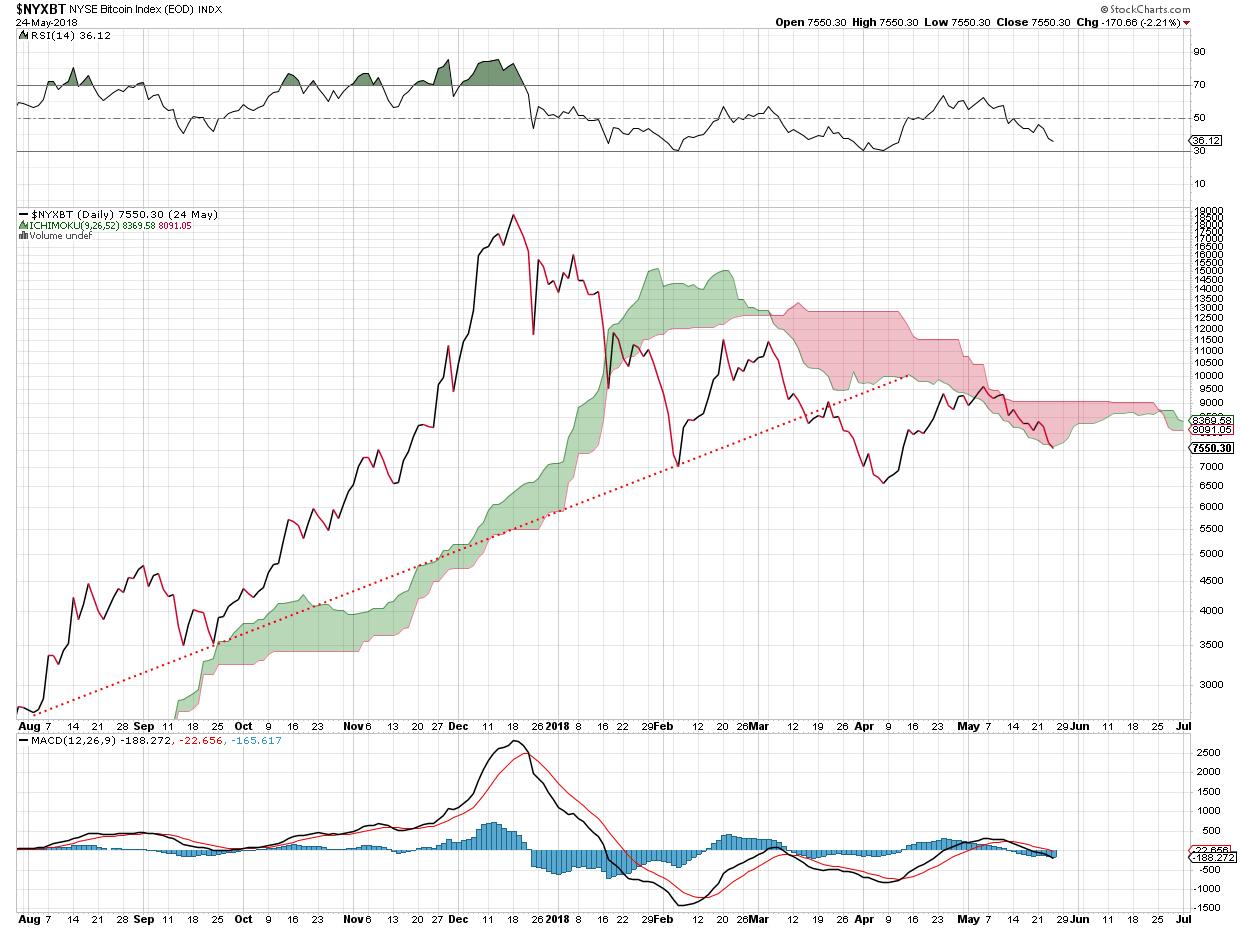
Today’s bitcoin price this morning reveals a dynamic landscape shaped by multiple factors, offering a glimpse into the ever-evolving cryptocurrency market. As traders and investors tune into the latest price movements, it’s essential to understand how recent fluctuations and global events impact the value of Bitcoin.

From market sentiment to historical comparisons, this analysis delves into the various elements influencing Bitcoin’s price today, providing a comprehensive overview for enthusiasts and investors alike. Join us as we explore the current trends and insights that define the bitcoin price this morning.

Current Bitcoin Price Trends

This morning, Bitcoin is trading at a price of approximately $27,500, reflecting a slight increase from the previous day’s close. Recent fluctuations have seen Bitcoin oscillate between $26,800 and $27,800 over the past 24 hours. These movements are significant as they indicate growing volatility in a market that has experienced relatively stable prices in the preceding weeks. Key factors contributing to today’s price surge include increased institutional buying, positive sentiment surrounding upcoming regulatory developments, and a general uptick in crypto market activity.

Market Sentiment Analysis

The overall market sentiment regarding Bitcoin today is cautiously optimistic. Traders appear to be motivated by several bullish signals, including rising volumes and increased media coverage. Major players in the market, such as institutional investors and hedge funds, have started to re-enter the market, which has positively influenced Bitcoin’s pricing. Sentiment indicators, such as the Fear and Greed Index, are currently leaning towards “Greed,” suggesting that traders are feeling confident about future price movements.

Historical Price Comparison

Comparing today’s Bitcoin price with prices from the last week reveals some interesting trends. Last week, Bitcoin was trading around $25,500, which means we’ve seen a notable increase over the past few days. Significant price changes from previous mornings highlight the volatility and potential for profit in this market.

Date Price ($)
Last Week – Monday 25,200
Last Week – Wednesday 25,800
This Week – Monday 27,000
Today – Morning 27,500

Impact of Global Events

Recent global economic events are significantly impacting Bitcoin’s price today. The announcement of favorable regulatory frameworks in key markets has sparked investor interest. Additionally, inflation concerns in traditional markets are shifting focus towards cryptocurrencies as a potential hedge. Geopolitical factors, such as rising tensions in certain regions, are also causing investors to reconsider their portfolios, further benefiting Bitcoin’s market position.

Technical Analysis Overview

Key technical indicators relevant to Bitcoin’s price this morning include the 50-day and 200-day moving averages, which are currently showing bullish patterns. Support levels are identified at $26,800 while resistance levels are established around $27,800. Observing patterns in Bitcoin’s price movements throughout the day demonstrates a consistent upward trend, with strong buying pressure noted during morning trading hours.

Predictions for the Day

Expert predictions suggest that Bitcoin may continue its upward trajectory for the rest of the day, with potential prices reaching as high as $28,000 if current trends hold. Analysts are using a combination of historical price data and momentum indicators to forecast Bitcoin’s movements. Scenarios based on morning data indicate that if buying volume remains high, Bitcoin could experience a breakout beyond established resistance levels.

Investment Strategies

Investment strategies for Bitcoin based on today’s market conditions focus on both short-term gains and long-term holding. Day traders may consider leveraging momentum strategies to capitalize on price swings, while long-term investors should assess their risk tolerance and potential entry points. Effective trading techniques include setting stop-loss orders to manage risk and employing dollar-cost averaging to mitigate the impact of volatility.

Community Reactions

The Bitcoin community is buzzing with reactions to today’s price movements, with many expressing optimism on social media platforms. Influential voices within the community, such as prominent crypto analysts and enthusiasts, are sharing insights and predictions that further fuel the excitement. Discussions in forums and chatrooms show a majority leaning towards bullish sentiments, with many traders actively discussing potential strategies and upcoming market trends.

Summary

In summary, the bitcoin price this morning serves as a vital indicator of market trends and investor sentiment, reflecting both immediate changes and broader economic influences. As we navigate the complexities of the cryptocurrency landscape, staying informed and adapting strategies will be crucial for those looking to engage with Bitcoin effectively.

Q&A

What is the current price of Bitcoin this morning?

The price of Bitcoin this morning is fluctuating around [insert current price here].

What factors are influencing Bitcoin’s price today?

Key factors include market sentiment, recent global economic events, and regulatory news.

How does today’s Bitcoin price compare to last week?

Today’s price shows a [insert percentage increase/decrease] compared to last week.

What are some effective trading strategies for Bitcoin?

Effective strategies include risk management, moving averages analysis, and trend following.

What is the sentiment in the Bitcoin community regarding today’s price?

The community is expressing a mix of optimism and caution, with many discussing potential price movements on social platforms.

Exploring bitcoin price today all time high reveals a fascinating landscape shaped by numerous factors, market dynamics, and historical milestones. As Bitcoin continues to capture attention, understanding its price movements allows us to appreciate not just the currency itself but also the innovative technology behind it.

Current trends indicate that both market sentiment and major events play pivotal roles in Bitcoin’s price trajectory. By analyzing historical data alongside recent fluctuations, we can gain valuable insights into what drives investor behavior and how the cryptocurrency market reacts to various stimuli.

Current Bitcoin Price Trends

The world of Bitcoin is ever-evolving, with its price experiencing fluctuations influenced by various factors. Understanding these trends is crucial for traders and investors alike. The current price of Bitcoin is shaped by market demand, supply dynamics, investor sentiment, and macroeconomic factors such as inflation, interest rates, and institutional adoption.Bitcoin’s current price can be compared to its historical values to highlight its volatility.

For instance, while Bitcoin saw a surge to nearly $69,000 in late 2021, it also experienced significant drops, reflecting the typical boom and bust nature of cryptocurrency markets. Major events, such as regulatory news or technological developments, have historically had pronounced impacts on Bitcoin’s price, acting as catalysts for rapid price changes.

Major Events in the Cryptocurrency Market

Several significant events in the cryptocurrency landscape have influenced Bitcoin’s price trajectory. Understanding these events provides insight into the market’s volatility and investor behavior. The following points Artikel pivotal moments that have shaped Bitcoin’s history:

  • The 2017 Bull Run, where Bitcoin’s price soared from around $1,000 to nearly $20,000 by December.
  • The regulatory crackdowns in China in 2021, leading to a sharp decline in Bitcoin’s value.
  • The adoption of Bitcoin by major companies like Tesla and Square, which propelled interest and investment in the cryptocurrency.
  • The introduction of Bitcoin ETFs in various markets, increasing accessibility for institutional investors.

All-Time High Bitcoin Prices

Bitcoin has experienced several peaks throughout its history, culminating in an all-time high that has drawn significant attention. The timeline leading to its all-time high reflects the evolving sentiment and market dynamics within the cryptocurrency space.The all-time high was reached in November 2021, when Bitcoin’s price approached $69,000. This peak was driven by a combination of factors, including institutional investment and increased mainstream adoption.

Market reactions were mixed, with some investors celebrating the milestone while others expressed concerns about potential corrections.

Timeline of Bitcoin’s All-Time High

The following table illustrates Bitcoin’s all-time high prices, along with significant events that coincided with these peaks:

Date Price (USD) Significant Events
December 2017 $19,783 Massive retail interest and media coverage.
April 2021 $64,863 Increased institutional investment and adoption.
November 2021 $68,789 Approval of Bitcoin futures ETFs.

Market Reactions to Price Changes

Market reactions to Bitcoin’s price fluctuations are often characterized by a mix of excitement and anxiety. Traders and investors tend to respond differently based on their risk tolerance and investment strategies. Typically, sharp price increases can lead to FOMO (fear of missing out), prompting more buying activity, while significant drops often result in panic selling.The psychological effects of these price changes can have profound impacts on market sentiment.

Traders often devise strategies to navigate high volatility periods, employing techniques such as stop-loss orders or hedging to mitigate potential losses.

Common Trading Strategies During Volatility

The following strategies are often used by traders during periods of significant price changes:

  • Scalping: Taking advantage of small price movements to generate quick profits.
  • Hedging: Using derivatives to offset potential losses in the underlying asset.
  • Dollar-cost averaging: Investing a fixed amount at regular intervals to reduce the impact of volatility.

Predictions for Future Bitcoin Prices

Predicting Bitcoin’s price movements requires an understanding of various methodologies and market indicators. Analysts often rely on technical analysis, historical data, and market sentiment to forecast potential price trends in the coming months.Current market conditions suggest several scenarios for Bitcoin’s growth. A bullish outlook could be shaped by increased institutional adoption and favorable regulations, while a bearish sentiment might arise from macroeconomic challenges or negative regulatory news.

Expert Price Forecasts

The following table compares expert price forecasts along with the rationale behind these predictions:

Analyst Price Forecast (USD) Reasoning
Analyst A $100,000 Increased institutional adoption and limited supply.
Analyst B $50,000 Market corrections and potential regulatory hurdles.
Analyst C $75,000 Technological advancements and mainstream acceptance.

Impact of Regulations on Bitcoin Pricing

Regulatory changes have historically played a crucial role in shaping Bitcoin’s price dynamics. Key regulations introduced in various jurisdictions have influenced market confidence and investment behaviors. In the past, announcements regarding regulatory crackdowns or endorsements have led to significant price fluctuations. The future landscape of Bitcoin pricing may be shaped by ongoing regulatory developments, which could either pave the way for broader acceptance or create barriers for growth.

Case Studies of Regulatory Impact

Several countries have enacted regulations that have dramatically impacted Bitcoin pricing:

  • China’s ban on cryptocurrency transactions in 2021, which led to a major market sell-off.
  • The U.S. SEC’s stance on Bitcoin ETFs, crucial for institutional adoption.
  • El Salvador’s adoption of Bitcoin as legal tender, boosting market interest.

Bitcoin Price and Market Sentiment

Market sentiment plays a vital role in Bitcoin’s price movements. It is often measured through various indicators, including social media mentions, trading volumes, and sentiment analysis tools. A positive sentiment can drive prices higher, while negative sentiment may lead to declines.Different sentiment analysis tools are employed to track sentiment trends, helping investors gauge potential price movements. Social media platforms often serve as a barometer for public opinion, with trends in discussions about Bitcoin sometimes correlating with price changes.

Influence of Social Media Trends

The relationship between social media trends and Bitcoin pricing is significant. The following points highlight how these trends can influence market sentiment:

  • Increased Twitter activity around Bitcoin often precedes price rallies.
  • Reddit discussions can amplify FOMO among retail investors.
  • News from influential figures in the cryptocurrency space can sway public sentiment and price movements.

Final Thoughts

In summary, the journey of Bitcoin’s pricing is not just a reflection of market trends but a window into the evolving landscape of digital currencies. As we look ahead, staying informed about regulatory changes, market sentiments, and price predictions will be essential for anyone interested in this captivating financial frontier.

FAQs

What was Bitcoin’s all-time high price?

Bitcoin reached its all-time high price of approximately $69,000 in November 2021.

How does market sentiment affect Bitcoin prices?

Market sentiment can lead to significant price fluctuations, as positive news can drive prices up, while negative news might cause declines.

What major events influenced Bitcoin’s price recently?

Events such as regulatory announcements, institutional investments, and technological advancements have greatly influenced Bitcoin’s pricing.

Can future regulations impact Bitcoin’s price?

Yes, regulatory changes can significantly impact market dynamics, affecting investor confidence and overall demand for Bitcoin.

What are common trading strategies during high volatility?

Traders might employ strategies such as day trading, hedging, or utilizing stop-loss orders to manage risks during volatile periods.

Bitcoin price usd market summary reveals a dynamic landscape shaped by ever-evolving trends and factors. As the flagship cryptocurrency continues to make headlines, understanding its price movements in relation to the USD is essential for both investors and enthusiasts alike.

Current trends showcase significant price fluctuations influenced by various economic events, investor sentiment, and regulatory developments. By delving into these aspects, we can better comprehend how Bitcoin’s value is determined and the implications for the broader cryptocurrency market.

Overview of Bitcoin Price Trends

The price of Bitcoin continues to capture the attention of investors and analysts alike, reflecting the dynamic nature of the cryptocurrency market. As of now, Bitcoin is trading around $30,000, showcasing significant volatility influenced by various market conditions. Historically, Bitcoin prices have seen remarkable fluctuations, making it essential to understand the underlying trends shaping its value.Bitcoin’s historical price data reveals its journey from being worth just a few cents in 2010 to reaching an all-time high of nearly $69,000 in November 2021.

This exponential growth has been a testament to its increasing acceptance and investment potential. However, the price has also experienced sharp corrections, emphasizing the risks involved in cryptocurrency investments.Several factors contribute to Bitcoin price fluctuations, including market demand, investor sentiment, and external economic indicators. Events such as regulatory announcements, technological advancements, and macroeconomic trends can lead to rapid changes in Bitcoin’s price, making it imperative for traders to stay informed.

Market Summary Analysis

Bitcoin’s market capitalization currently hovers around $580 billion, positioning it as the leading cryptocurrency by market cap. This value reflects the collective worth of all Bitcoins in circulation, showcasing its dominance in the digital asset space. Trading volume plays a crucial role, with daily transactions frequently exceeding $20 billion, indicating robust trading activity.In comparison to other cryptocurrencies, Bitcoin remains a frontrunner, significantly overshadowing competitors like Ethereum, which has a market cap of around $220 billion.

Bitcoin’s established reputation as the first cryptocurrency provides it with a unique advantage, but many altcoins are vying for attention with innovative features and use cases.Geographically, Bitcoin trading is most active in regions like North America, Europe, and parts of Asia. Countries such as the United States and Japan have established regulatory frameworks that encourage trading, contributing to high liquidity and market engagement.

Influential Factors on Bitcoin Price

Numerous economic events exert influence over Bitcoin’s price dynamics. For instance, macroeconomic indicators, such as inflation rates and interest rates, can shape investor behavior toward cryptocurrencies. In periods of economic uncertainty, investors often flock to Bitcoin as a hedge against inflation.Institutional investment has become a pivotal force in Bitcoin’s market trends. Major corporations and investment funds have begun allocating portions of their portfolios to Bitcoin, leading to increased legitimacy and stability.

This influx of capital often correlates with upward price movements, as large-scale purchases can drive demand.Regulatory news also plays a significant role in shaping Bitcoin prices. Announcements from governments regarding their stance on cryptocurrency can lead to market volatility. For example, when China imposed restrictions on cryptocurrency transactions, Bitcoin experienced a notable price decline, highlighting how regulatory frameworks can influence market sentiment.

Bitcoin Price Prediction Models

Several methods are employed for predicting Bitcoin prices, each with varying degrees of reliability. Technical analysis remains a popular approach, utilizing historical price patterns and trading volume data to forecast future movements. Tools like Moving Averages and Relative Strength Index (RSI) are commonly used to identify trends and potential reversal points.For example, the Moving Average Convergence Divergence (MACD) is a well-known tool that helps traders gauge momentum by comparing two moving averages.

Its effectiveness in identifying bullish or bearish trends can greatly assist investors in making informed decisions.While these technical tools offer valuable insights, their predictive power can fluctuate based on market conditions. Therefore, combining various forecasting models, including fundamental analysis and sentiment analysis, often yields a more comprehensive outlook on future price movements.

Impact of Market Sentiment on Bitcoin Price

Market sentiment, heavily influenced by social media trends, plays a crucial role in Bitcoin price fluctuations. Platforms like Twitter and Reddit have emerged as significant sources of information, where discussions and hype can quickly drive prices up or down. Memes and viral posts often lead to dramatic price movements, underscoring the power of collective sentiment in the cryptocurrency space.Investor sentiment can lead to price volatility, as fear and greed often dictate market behavior.

For instance, during market downturns, panic selling can escalate, causing prices to plummet. Conversely, positive news or endorsements from influential figures can spark buying frenzies, driving prices higher.To gauge market sentiment, traders often rely on tools that aggregate social media metrics and news sentiment analysis. Metrics like the Fear and Greed Index analyze various data points, providing insights into prevailing investor sentiment and its potential impact on Bitcoin’s price trajectory.

Case Studies of Price Movements

Several historical events have led to significant price changes in Bitcoin. The 2017 bull run, driven by increased media coverage and investor interest, saw Bitcoin surge from around $1,000 to nearly $20,000 within a year. This rapid rise was met with a subsequent crash, highlighting the market’s speculative nature.Another notable event occurred in March 2020, when Bitcoin’s price dropped to approximately $3,800 amid global market turmoil induced by the COVID-19 pandemic.

However, this downturn was followed by a robust recovery, with Bitcoin reaching new highs by the end of 2021. This recovery showcased Bitcoin’s resilience and the long-term bullish outlook of many investors.The long-term effects of major price events often shape investor behavior. For instance, the 2017 crash led to increased scrutiny and a more cautious approach among retail investors. Understanding these case studies is crucial for comprehending the interplay between market events and investor psychology in the cryptocurrency market.

Future Outlook for Bitcoin Price

Technological advancements may significantly impact Bitcoin’s future price dynamics. Innovations such as the Lightning Network aim to enhance transaction speeds and reduce fees, improving Bitcoin’s utility for everyday transactions. As these technologies develop, they could attract more users and drive demand, positively affecting Bitcoin’s price.Upcoming regulations are another critical factor that could shape Bitcoin’s future. As governments around the world continue to establish frameworks for cryptocurrency, the clarity provided could either bolster or hinder Bitcoin’s market adoption.

Positive regulatory developments may lead to increased institutional interest, driving prices higher.Based on historical data, market trends suggest a potential for Bitcoin to continue its upward trajectory in the long term. Analysts note that as adoption increases and the supply of new Bitcoins decreases due to halving events, the price could see substantial appreciation. However, ongoing volatility is expected, necessitating vigilant market monitoring by investors.

Conclusive Thoughts

In summary, the journey through Bitcoin price trends, market influences, and predictive models illustrates the complexity of this digital asset. As we look ahead, staying informed about these factors will be crucial for anyone looking to navigate the future of Bitcoin and its potential impact on the financial landscape.

Question & Answer Hub

What factors most influence Bitcoin’s price?

Key factors include market sentiment, economic events, institutional investments, and regulatory news.

How does Bitcoin’s market capitalization compare to other cryptocurrencies?

Bitcoin has the highest market capitalization among cryptocurrencies, often accounting for a significant percentage of the total crypto market.

What are common methods for predicting Bitcoin prices?

Common methods include technical analysis, historical data evaluation, and sentiment analysis from social media trends.

How does investor sentiment affect Bitcoin price volatility?

Positive or negative news can significantly sway investor sentiment, leading to rapid price changes and increased volatility.

What are some historical events that drastically affected Bitcoin’s price?

Major events include regulatory announcements, significant market crashes, and technological advancements that reshaped the market.

Kicking off with bitcoin price chart history, this topic dives deep into the fluctuations and milestones that have shaped the world’s first cryptocurrency. From its humble beginnings to its current status, understanding the trajectory of Bitcoin’s price can illuminate not only its past but also its future potential in the ever-evolving digital economy.

The journey of Bitcoin’s price is marked by significant events that influenced market sentiment, regulatory responses, and technological advancements. By exploring key trends and conducting a comparative analysis with other cryptocurrencies, we can gain valuable insights into the dynamics that drive Bitcoin’s value over time.

Historical Overview of Bitcoin Prices

Bitcoin, launched in 2009 by an anonymous entity known as Satoshi Nakamoto, has undergone substantial price fluctuations since its inception. From its humble beginnings with no established market value to becoming a legitimate asset class, Bitcoin’s price history is marked by extraordinary growth, dramatic declines, and significant milestones that have shaped its current standing in the financial world. Understanding these price movements provides insight into the broader cryptocurrency market and the factors influencing Bitcoin’s value.Numerous events have contributed to Bitcoin’s price volatility over the years.

Initially, the cryptocurrency’s price was largely influenced by its novelty and speculation. As the market matured, factors such as regulatory developments, technological advancements, and macroeconomic trends began to play a more prominent role.

Major Milestones in Bitcoin’s Price History

The price of Bitcoin has witnessed several key milestones that have not only shaped its trajectory but also influenced investor sentiment and market dynamics. Here are some of the noteworthy events:

  • 2010: First Recorded Price
    -Bitcoin was first assigned a monetary value when it was traded for $0.0008, marking the beginning of its price journey.
  • 2013: First Major Rally
    -Bitcoin’s price surged to over $1,000 for the first time, fueled by increased media attention and a growing user base.
  • 2014: Mt. Gox Collapse
    -The collapse of Mt. Gox, one of the largest Bitcoin exchanges at the time, resulted in a significant drop in Bitcoin’s price, falling to around $400.
  • 2017: All-Time High
    -Bitcoin reached an all-time high of nearly $20,000, driven by institutional interest and speculative trading.
  • 2020: Institutional Adoption
    -Significant purchases by institutional investors, including MicroStrategy and Tesla, spurred another price rally, pushing Bitcoin above $40,000.
  • 2021: Parabolic Growth
    -Bitcoin soared to over $60,000, propelled by the surge in decentralized finance (DeFi) and increased mainstream acceptance.
  • 2022: Market Correction
    -Following the peak, Bitcoin experienced a significant correction, with its price dipping below $20,000 due to macroeconomic factors and tightening monetary policy.

Factors Influencing Price Fluctuations

A multitude of factors has played a crucial role in Bitcoin’s price movements throughout its history. Understanding these influences can provide clarity on how and why Bitcoin’s price changes.

  • Market Sentiment
    -Investor sentiment, driven by news and social media trends, often leads to rapid price changes. Positive news can lead to buying frenzies, while negative news can trigger sell-offs.
  • Regulatory Developments
    -Announcements from governments regarding regulations can significantly impact Bitcoin’s value. For example, favorable regulations can boost prices, whereas strict regulations can lead to declines.
  • Technological Advancements
    -Upgrades to the Bitcoin network, such as the implementation of the Lightning Network, can enhance functionality and drive prices higher.
  • Market Manipulation
    -The relatively low liquidity of the cryptocurrency market makes it susceptible to manipulation, with ‘whales’ (large holders) often influencing prices.
  • Adoption Rate
    -Increased adoption by companies and institutional investors often correlates with price increases, as demand for Bitcoin grows.

Timeline of Significant Events Impacting Bitcoin’s Price

A chronological perspective on Bitcoin’s price history reveals critical events that have shaped its market behavior.

Year Event Price Impact
2010 First Bitcoin transaction recorded Price starts at $0.0008
2013 Bitcoin surpasses $1,000 Increased media coverage leads to a surge
2014 Collapse of Mt. Gox Price drops to around $400
2017 Bitcoin reaches $20,000 Speculative trading peaks
2020 Institutional investments begin Price rises above $40,000
2021 Record high of $60,000 Increased mainstream acceptance
2022 Market correction Price falls below $20,000

“Bitcoin’s price is not just a reflection of its supply and demand, but also a mirror of the broader public sentiment and regulatory environment.”

Key Price Trends in Bitcoin

Bitcoin, since its inception in 2009, has been marked by volatility, making it a fascinating asset for both investors and analysts. Over the years, cryptocurrency enthusiasts and financial experts have scrutinized its price movements, identifying key trends that reveal the behavior of this digital currency in response to various market dynamics and global economic conditions.One of the most significant trends in Bitcoin’s price history is its propensity for extreme price fluctuations.

These movements can largely be categorized into bull and bear markets, which are driven by factors such as market sentiment, regulatory developments, technological advances, and macroeconomic events.

Overview of Bull and Bear Markets in Bitcoin’s History

Bull and bear markets represent the cyclical nature of Bitcoin’s price movements. A bull market is characterized by rising prices and optimistic investor sentiment, while a bear market is marked by declining prices and pessimism.Key phases of Bitcoin’s bull and bear markets include:

  • 2011 Bull Run: Bitcoin surged from around $1 to over $30, fueled by increasing media attention and growing interest among early adopters.
  • 2013 Bull Market: A significant rise saw Bitcoin’s price escalate from approximately $13 to a peak of $1,150, driven by demand from China and speculation.
  • 2014 Bear Market: Following the 2013 peak, Bitcoin faced a sharp decline, dropping to around $200 due to the Mt. Gox exchange hack and regulatory concerns.
  • 2017 Bull Market: Bitcoin experienced unprecedented growth, reaching nearly $20,000, largely attributed to mainstream adoption and speculative trading.
  • 2018 Bear Market: The aftermath of the 2017 boom led to a significant downturn, with prices falling to about $3,000, reflecting market corrections and investor caution.
  • 2020-2021 Bull Market: Bitcoin’s price soared again, reaching an all-time high of around $64,000, fueled by institutional investment, the rise of decentralized finance, and increased public interest.
  • 2022 Bear Market: Bitcoin’s price fell sharply to around $20,000 amidst macroeconomic challenges, including rising inflation and interest rate hikes.

Bitcoin Price Changes During Economic Events

Understanding Bitcoin’s price changes in the context of significant economic events provides insights into its volatility and market reactions. The table below summarizes notable economic events and their corresponding effects on Bitcoin prices.

Economic Event Date Bitcoin Price Change
Launch of Bitcoin January 2009 Valueless to $0.08
Silk Road Shutdown October 2013 $130 to $400
First Regulated Bitcoin ETF Proposal 2017 $1,000 to $20,000
COVID-19 Pandemic Decline March 2020 $9,100 to $4,300
Institutional Adoption Rise Late 2020 $10,000 to $64,000
US Inflation Rate Surge 2021 High volatility, hitting $69,000
Interest Rate Increases 2022 $60,000 to $20,000

The table illustrates how Bitcoin’s price is often reactive to broader economic events, highlighting its role as both a speculative asset and a potential safe haven in times of uncertainty.

Comparison with Other Cryptocurrencies

Bitcoin, as the first and most recognized cryptocurrency, sets the stage for comparison with other altcoins. Its price history highlights not only its growth and potential but also its volatility compared to other cryptocurrencies. Understanding these differences can provide insight into the crypto market’s overall dynamics and investor sentiment.In recent years, several other cryptocurrencies, such as Ethereum (ETH), Ripple (XRP), and Litecoin (LTC), have emerged as significant players in the market.

Analyzing their price movements alongside Bitcoin enables a clearer picture of how Bitcoin’s volatility influences and contrasts with these altcoins.

Price Performance of Leading Cryptocurrencies

The following table illustrates the historical price performance of Bitcoin compared to other prominent cryptocurrencies over the past few years. The data reflects their respective price movements, showcasing the trends and fluctuations that characterize each asset.

Cryptocurrency 2018 Price (USD) 2020 Price (USD) 2022 Price (USD) 2023 Price (USD)
Bitcoin (BTC) $3,800 $7,200 $19,600 $27,000
Ethereum (ETH) $130 $130 $1,400 $1,900
Ripple (XRP) $0.38 $0.20 $0.35 $0.50
Litecoin (LTC) $30 $50 $100 $85

The volatility of Bitcoin is pronounced, especially when compared to altcoins. While Bitcoin’s price swings can be dramatic, as seen in its rapid rise and fall, many altcoins tend to exhibit more tempered price movements. This can be attributed to several factors including market capitalization, investor interest, and overall adoption rates. Bitcoin, often viewed as a digital gold, attracts a wider range of investors, making its price more susceptible to significant fluctuations driven by market sentiment.

Bitcoin’s price volatility often overshadows the more stable price movements seen in many altcoins, reflecting its role as a market leader.

The historical performance of these cryptocurrencies highlights the relative risk and opportunity present within the market. Investors often look to altcoins to diversify their portfolios, seeking potential gains that may come from the innovations and developments within these digital assets.

Technical Analysis of Bitcoin Price Charts

Understanding technical analysis in the context of Bitcoin is crucial for investors and traders looking to make informed decisions. It involves evaluating price movements and patterns through various indicators and charting tools, allowing market participants to forecast future price actions and trends.Technical analysis relies heavily on key indicators that help assess market sentiment and potential price movements. Some of the most common indicators used in Bitcoin price analysis include:

Key Technical Indicators

Technical indicators serve as essential tools for traders to gauge market behavior and identify trends. The following are widely utilized in Bitcoin price analysis:

  • Moving Averages (MA): These indicators smooth out price data by creating a constantly updated average price. The two most common types are the Simple Moving Average (SMA) and the Exponential Moving Average (EMA), with the latter giving more weight to recent prices.
  • Relative Strength Index (RSI): The RSI measures the speed and change of price movements, indicating overbought or oversold conditions. Values range from 0 to 100, with levels above 70 suggesting overbought conditions and below 30 indicating oversold.
  • Bollinger Bands: Comprising a middle band (SMA) and two outer bands representing standard deviations, Bollinger Bands help identify volatility and price levels relative to recent trends.
  • MACD (Moving Average Convergence Divergence): This indicator shows the relationship between two moving averages of a security’s price. The MACD line crossing above the signal line can indicate a bullish trend, while crossing below can indicate a bearish trend.
  • Volume: Analyzing trading volume helps assess the strength of a price movement. High volume during a price increase can signify strong buyer interest, while low volume can indicate a lack of conviction.

Interpreting Bitcoin price charts involves understanding these indicators and their implications for future price movements. Here are some essential tips for effective chart reading:

Reading and Interpreting Bitcoin Price Charts

When analyzing Bitcoin price charts, it is vital to focus on various elements that can provide insights into market dynamics.

  • Recognize the timeframe: Different timeframes can show distinct trends, so it’s essential to choose the appropriate chart period based on trading objectives.
  • Identify trends: Look for upward (bullish), downward (bearish), or sideways (range-bound) trends to inform trading strategies.
  • Use support and resistance levels: Support levels indicate where buying interest may emerge, while resistance levels represent selling pressure. Identifying these can help in making entry and exit decisions.
  • Check candlestick patterns: Candlestick charts provide valuable information regarding price movements. Common patterns include doji, hammer, and engulfing patterns, each conveying different market sentiment.
  • Monitor market sentiment: Analyze news and social media trends that influence Bitcoin’s price, as external factors can significantly impact trading behavior.

Several common patterns emerge in Bitcoin price movements that traders often look for:

Common Patterns in Bitcoin Price Movements

Identifying patterns can enhance predictive capabilities regarding future price actions. Here are some typical patterns observed in Bitcoin price movements:

  • Head and Shoulders: This reversal pattern can signal a change in trend direction, typically indicating a bearish trend after an uptrend.
  • Double Top and Bottom: These patterns indicate potential reversals, with a double top suggesting a bearish reversal and a double bottom indicating a bullish reversal.
  • Flags and Pennants: These continuation patterns suggest brief consolidations before the previous trend resumes. Flags are rectangular-shaped, while pennants are triangular.
  • Triangles: Symmetrical, ascending, and descending triangles can indicate potential breakouts or breakdowns depending on the direction of the price movement.
  • Cup and Handle: This bullish continuation pattern suggests a period of consolidation followed by a breakout to the upside.

By understanding these patterns and indicators, traders can gain deeper insights into Bitcoin’s price behavior and make more informed trading decisions.

Future Price Predictions Based on Historical Data

Historical price trends of Bitcoin have often provided valuable insights that can inform future price projections. As investors and analysts examine the past performance of Bitcoin, they seek to identify patterns, cycles, and correlations that can aid in predicting future movements. Understanding how historical data influences future price expectations has become essential for making informed investment decisions in the volatile cryptocurrency market.Forecasting Bitcoin prices based on historical data involves various methodologies that leverage past performance to generate potential future outcomes.

Analysts utilize statistical models, technical analysis, and machine learning techniques to analyze trends and make predictions. By applying these methodologies, they can provide a range of potential future prices for Bitcoin, reflecting varying market conditions and sentiment.

Methodologies for Forecasting Bitcoin Prices

Several methodologies are commonly used to forecast Bitcoin prices based on historical data. Each method has its own strengths and limitations, and they often rely on different aspects of past performance.

  • Statistical Analysis: Analysts frequently use time-series analysis to identify trends and seasonal patterns in Bitcoin prices. Techniques such as autoregressive integrated moving average (ARIMA) models can help forecast future prices based on historical data points.
  • Technical Analysis: Many traders utilize chart patterns, trend lines, and indicators like moving averages and Relative Strength Index (RSI) to analyze past price movements and predict future trends. This method emphasizes visual data representation and market psychology.
  • Machine Learning Models: Advanced algorithms trained on historical Bitcoin price data can generate predictions by recognizing complex patterns that traditional methods might overlook. Techniques such as regression analysis and neural networks are commonly employed in these forecasting models.
  • Sentiment Analysis: Social media sentiment and news articles can influence Bitcoin prices. By analyzing public sentiment and media coverage, predictive models can gauge potential price movements based on prevailing market emotions.

Predictive Models for Bitcoin Prices

The following table summarizes different predictive models utilized for forecasting Bitcoin prices, showcasing their methodologies and application contexts:

Model Type Methodology Application Context Strengths Limitations
ARIMA Time-series analysis Short to medium-term forecasts Captures trends and seasonality Assumes linear relationships
Technical Analysis Chart patterns and indicators Day trading and swing trading Focuses on market psychology Subjective interpretation
Machine Learning Complex algorithmic models Long-term predictions Can identify nonlinear patterns Requires large datasets
Sentiment Analysis Social media and news analysis Market sentiment evaluation Considers emotional market factors Subject to rapid changes

Utilizing a combination of these methodologies can enhance the accuracy of Bitcoin price predictions, as each model offers unique insights into market behavior.

Impact of Market Sentiment on Bitcoin Prices

Market sentiment plays a crucial role in determining the price dynamics of Bitcoin. As a decentralized digital currency, Bitcoin’s value often fluctuates based on collective perceptions and emotional responses from traders and investors. Understanding how market sentiment has influenced Bitcoin prices historically provides insight into its volatility and price movements.Key events and shifts in market sentiment often correlate directly with significant changes in Bitcoin’s price trajectory.

Market sentiment can swing from extreme optimism to skepticism, profoundly impacting trading behavior and price levels. Below are some pivotal events that highlight how sentiment has shifted and influenced Bitcoin prices.

Key Events Influencing Market Sentiment

The following events illustrate the correlation between market sentiment and Bitcoin price movements. Each instance showcases how news, social media buzz, and broader economic contexts have acted as catalysts for price changes:

  • 2017 Bull Run: The surge in mainstream media coverage led to a massive influx of retail investors, driving Bitcoin’s price from approximately $1,000 to nearly $20,000 within a year.
  • China’s Cryptocurrency Ban (September 2017): The announcement of a crackdown on Initial Coin Offerings (ICOs) and exchanges resulted in a sharp decline from its all-time high, reflecting negative sentiment.
  • Twitter Influencers: Tweets by prominent figures like Elon Musk have historically caused rapid price spikes or drops, showcasing the power of social media in shaping investor sentiment.
  • COVID-19 Pandemic (March 2020): The initial panic during the market crash saw Bitcoin’s price plummet to about $3,800, driven by fear and uncertainty in global markets.
  • PayPal’s Adoption of Bitcoin (October 2020): The announcement of Bitcoin support by PayPal created a wave of optimism, pushing prices above $12,000.
  • Regulatory News: Announcements from governments regarding cryptocurrency regulations often lead to sharp reactions in Bitcoin’s price, as seen with the U.S. Treasury’s discussions on tax reporting for crypto transactions.

Regulatory Environment and Its Effects on Bitcoin Price

The regulatory landscape surrounding Bitcoin has evolved significantly since its inception, impacting its price trajectory in various ways. Understanding these regulations and their implications is crucial for investors and enthusiasts alike. Different countries have approached Bitcoin with varying degrees of acceptance, resulting in fluctuating market sentiments and price movements.Regulatory developments can serve as catalysts or deterrents for Bitcoin’s price. For instance, clear regulations may encourage institutional investment, while crackdowns can lead to panic selling.

This section delves into key regulatory changes that have shaped Bitcoin’s price history and examines the relationship between government policies and Bitcoin price fluctuations.

Significant Regulatory Developments Impacting Bitcoin’s Price History

A variety of regulatory events have influenced Bitcoin’s market price, often causing immediate and profound reactions. Below is a table outlining notable regulatory developments and corresponding price responses:

Date Regulatory Development Price Response Impact on Market Sentiment
December 2017 China bans ICOs and shuts down local exchanges Bitcoin price drops from $5000 to $3000 Negative sentiment, fear of market collapse
June 2019 Facebook announces Libra cryptocurrency Bitcoin price rises from $3500 to $10,000 Increased optimism about mainstream adoption
April 2021 El Salvador recognizes Bitcoin as legal tender Bitcoin price surges to $64,000 Positive sentiment, belief in future adoption
November 2021 SEC approves first Bitcoin ETF Bitcoin peaks around $68,000 Increased institutional interest, bullish sentiment
2022 Various countries propose stricter crypto regulations Bitcoin price declines from $45,000 to $20,000 Negative sentiment, fear of over-regulation

Each of these regulatory milestones has triggered significant price movements for Bitcoin. Investors tend to react swiftly to news regarding government policies, reflecting the sensitive nature of the market to regulatory issues. Regulatory clarity can bolster confidence, whereas uncertainty may lead to price volatility.

“Regulatory developments can serve as either a springboard for price surges or a catalyst for declines, significantly impacting investor sentiment.”

Bitcoin Price Chart Tools and Resources

In the fast-paced world of cryptocurrency, having the right tools for charting and analyzing Bitcoin price data is essential for making informed decisions. Various platforms offer diverse functionalities that cater to both novice and experienced traders, making the task of tracking Bitcoin prices more manageable and insightful.Popular online tools for Bitcoin price tracking provide a range of features that enhance user experience and analytical capabilities.

These tools are designed to help users visualize price movements, analyze trends, and make predictions based on historical data. Some of the most commonly used platforms include TradingView, CoinMarketCap, and CryptoCompare. Each of these platforms has unique offerings that serve different trading styles and needs.

Essential Features of Bitcoin Price Charting Platforms

When choosing a Bitcoin price charting platform, certain features can significantly enhance your trading experience. Here are some critical aspects to consider:

  • Real-time Data: Access to live market data is vital for making timely trading decisions. Ensure that the platform updates prices in real-time.
  • User-friendly Interface: A clean and intuitive interface allows for easier navigation and reduces the learning curve for new users.
  • Advanced Charting Tools: Look for platforms that provide a variety of chart types (candlestick, line, bar) and technical analysis indicators (moving averages, RSI, MACD).
  • Customizable Alerts: Setting price alerts and notifications can help you react quickly to market changes without needing to monitor prices constantly.
  • Historical Data Access: The ability to view and analyze historical price data enables better trend analysis and forecasting.
  • Community Features: Some platforms offer forums or social trading features that allow users to share insights and strategies.
  • Mobile Compatibility: Ensure that the tool has a mobile app or a mobile-friendly version, allowing for trading on the go.

Using these tools effectively can enhance your understanding of Bitcoin price movements and assist in making data-driven trading decisions. By selecting a platform that aligns with your trading style, you can leverage these resources for better outcomes in the cryptocurrency market.

Concluding Remarks

In conclusion, the exploration of bitcoin price chart history reveals a fascinating narrative of resilience and volatility. As we analyze past trends and their implications for the future, one thing remains clear: Bitcoin’s journey is far from over, and understanding its price movements can be crucial for anyone looking to navigate the world of cryptocurrency investment.

Key Questions Answered

What was Bitcoin’s all-time high price?

Bitcoin reached its all-time high price of approximately $69,000 in November 2021.

How often do Bitcoin prices change?

Bitcoin prices can fluctuate significantly multiple times within a single day due to market dynamics and trading volume.

What factors influence Bitcoin prices?

Factors include market demand, investor sentiment, regulatory news, technological developments, and macroeconomic trends.

How does Bitcoin’s price compare to other cryptocurrencies?

Bitcoin often leads the market in price trends, but altcoins can experience unique price movements influenced by specific events or innovations.

Can historical price data predict future trends?

While historical data can provide insights, it is crucial to consider various market conditions and external factors that may impact future prices.

As the bitcoin stock price chart takes center stage, it invites enthusiasts and investors alike to delve into the fascinating world of cryptocurrency. Bitcoin, the pioneer of digital currency, has captured the attention of many, and understanding its price movements is crucial for making informed investment decisions. This chart not only reflects the historical trends of Bitcoin prices but also serves as a vital tool for predicting future movements based on various indicators and analyses.

From significant fluctuations in historical prices to the impact of external factors, the analysis of Bitcoin stock price charts unveils the complexities of this volatile market. By examining key trends and comparisons with other cryptocurrencies, individuals can gain a comprehensive understanding of Bitcoin’s behavior in the ever-evolving financial landscape.

Overview of Bitcoin Stock Price Chart

Bitcoin stock price charts are graphical representations that illustrate the price movements of Bitcoin over a specific period. These charts serve as essential tools for traders and investors, providing a visual summary of how Bitcoin’s value fluctuates in the market. Understanding these charts is crucial as they help users identify trends, make informed trading decisions, and predict future price movements based on historical data.The significance of tracking Bitcoin prices visually lies in the ability to quickly grasp market trends and price patterns.

Through these charts, investors can observe fluctuations in Bitcoin’s price, spot potential buying or selling opportunities, and analyze the market’s overall sentiment. By examining a Bitcoin stock price chart, one can gain insights into volatility and market behavior, which are essential for effective trading strategies.

Components of a Bitcoin Stock Price Chart

A Bitcoin stock price chart consists of various components that provide detailed information about price movements. Each element serves a specific purpose in helping users analyze market data.Common components include:

  • Price Axis: The vertical axis represents the price of Bitcoin, usually displayed in a currency such as USD. It allows viewers to see the exact price at any given point on the chart.
  • Time Axis: The horizontal axis indicates the time frame for the price data, which can range from minutes to years, depending on the chart’s purpose.
  • Candlestick Patterns: Each candlestick represents price movement for a specific time period, showing the opening, closing, high, and low prices. This provides a visual representation of market sentiment.
  • Volume Indicators: Volume bars illustrate the number of Bitcoin traded during specific time intervals. High trading volume can indicate strong market interest.
  • Moving Averages: Lines drawn to smooth out price data over time, helping to identify trends by filtering out market noise. Common periods include 50-day and 200-day moving averages.

Understanding these components enhances the ability to interpret Bitcoin price charts and make educated decisions. Traders often analyze multiple components in tandem to gain a comprehensive view of market behaviors and trends.

“The more you understand the components of a Bitcoin stock price chart, the better equipped you’ll be to navigate the complexities of cryptocurrency trading.”

Historical Bitcoin Price Trends

Bitcoin stock price chart

The price of Bitcoin has seen numerous fluctuations since its inception in 2009, driven by a myriad of events ranging from technological advancements to regulatory changes. Understanding these historical trends is crucial for analyzing current market behavior and potential future movements.Bitcoin’s price movements can be greatly influenced by key events and overall market sentiment. Throughout its relatively short history, significant milestones have shaped investor confidence and demand.

Below is a detailed timeline showcasing major price changes over the years, along with the events that contributed to these shifts.

Timeline of Key Historical Bitcoin Price Changes

The following timeline highlights some pivotal moments that have shaped Bitcoin’s price trajectory, illustrating how external factors can cause major price swings:

  • 2009: Bitcoin is launched by Satoshi Nakamoto with a value of $0. Initial adoption is slow, with limited trading opportunities.
  • 2011: Bitcoin reaches $1 for the first time in February, followed by a rapid rise to $31 in June, only to crash back to $2 in November, demonstrating extreme volatility.
  • 2013: The price surges to over $1,000 by late November, fueled by increased media coverage and interest in cryptocurrency.
  • 2014: Bitcoin faces challenges as the Mt. Gox exchange collapses, resulting in a substantial price drop to around $300 by early 2015.
  • 2017: Bitcoin experiences a meteoric rise, peaking near $20,000 in December amid a frenzy of speculation and investment.
  • 2018: The market corrects sharply, with Bitcoin’s price falling to around $3,200 by December, as regulatory scrutiny increases.
  • 2020: Bitcoin begins to recover, driven by institutional investment and economic uncertainty due to the pandemic, reaching $20,000 again by December.
  • 2021: Bitcoin reaches an all-time high of approximately $64,000 in April, spurred by increased adoption and a favorable market environment.
  • 2022: The price drops significantly throughout the year, influenced by macroeconomic factors, including inflation concerns and interest rate hikes, closing around $16,000 by December.
  • 2023: Bitcoin regains momentum, fluctuating between $25,000 and $35,000, as institutional interest renews and regulatory clarity improves.

Observed Patterns in Bitcoin’s Historical Price Charts

Analyzing Bitcoin’s historical price charts reveals several patterns that can inform future predictions. These patterns often correlate with external events and market cycles.One consistent pattern is the occurrence of significant price peaks followed by corrections. This behavior indicates a speculative bubble phenomenon, where heightened interest leads to rapid price increases that are unsustainable in the long term. Additionally, Bitcoin has historically showcased cyclical trends, where periods of growth are followed by sustained decline or consolidation phases.Bitcoin’s volatility is another observed pattern, characterized by sharp price movements within short time frames.

This volatility can be attributed to the market’s relatively low liquidity compared to traditional assets, as well as the influence of news events and market sentiment.Another key observation is the relationship between Bitcoin’s price and global economic factors, particularly during times of economic uncertainty. As a decentralized digital asset, Bitcoin often attracts interest as a hedge against inflation and currency devaluation, which can drive up demand during crises.In summary, understanding the historical price trends of Bitcoin provides valuable insights into the market’s behavior and the potential impact of future events on its price movements.

Technical Analysis of Bitcoin Charts

Technical analysis of Bitcoin charts is a crucial aspect for traders and investors aiming to make informed decisions based on market behavior. By analyzing historical price movements and volume data, traders can identify patterns and predict future price trends. This approach leverages various technical indicators to gain deeper insights into market sentiment and momentum.Understanding common technical indicators is essential for effective Bitcoin chart analysis.

These indicators help in identifying potential entry and exit points, providing a clearer picture of market dynamics. The following indicators are widely utilized in Bitcoin analysis:

Common Technical Indicators Used in Bitcoin Chart Analysis

A range of technical indicators can provide valuable insights into Bitcoin’s price movements. Here are some key indicators frequently employed:

  • Moving Averages: Moving averages smooth out price data to identify trends over a specific period. The most common types are the Simple Moving Average (SMA) and Exponential Moving Average (EMA).
  • Relative Strength Index (RSI): The RSI is a momentum oscillator that measures the speed and change of price movements. It ranges from 0 to 100 and is often used to identify overbought or oversold conditions.
  • Bollinger Bands: These consist of a middle band (SMA) and two outer bands (standard deviations away from the SMA). They help traders understand price volatility and potential reversal points.
  • MACD (Moving Average Convergence Divergence): This indicator shows the relationship between two moving averages of a security’s price. It is useful for identifying changes in momentum.

The ability to interpret bullish and bearish signals on the chart is pivotal for making accurate trading decisions. Bullish signals indicate potential upward price movements, while bearish signals suggest possible downward trends.

Interpreting Bullish and Bearish Signals

Recognizing these signals can enhance trading strategies and risk management.

  • Bullish Signals: These often occur when the price crosses above key resistance levels or moving averages, signaling increasing buying pressure. Other indicators like a rising RSI above 30 or a bullish MACD crossover further confirm potential upward movements.
  • Bearish Signals: Conversely, bearish indicators appear when the price drops below significant support levels or moving averages. A declining RSI below 70 or a bearish MACD crossover may indicate the potential for downward price action.

Example Chart Showcasing Technical Indicators Relevant to Bitcoin

While a visual chart cannot be provided here, imagine a Bitcoin price chart with various technical indicators overlaid. Picture a line chart with the Bitcoin price trajectory over the past month. The SMA is plotted as a smooth line, indicating the average price, while the EMA reacts more quickly to price changes.On this chart, you might see the RSI in a separate panel, oscillating between 0 and 100, with horizontal lines at the 30 and 70 levels marking overbought and oversold conditions.

Bollinger Bands would flanking the price, indicating volatility – when the price touches the upper band, it suggests an overbought condition, while touching the lower band indicates oversold conditions. The MACD line might cross above the signal line, indicating a bullish trend.This comprehensive representation allows traders to make educated decisions based on visualized data and technical analysis tools, promoting a better understanding of Bitcoin’s price dynamics.

Influences on Bitcoin Price Movements

The price of Bitcoin is influenced by a complex interplay of various external factors that can lead to significant fluctuations. Understanding these influences is crucial for anyone looking to navigate the Bitcoin market, whether as an investor or an observer. Regulatory changes, market sentiment, and macroeconomic conditions all play vital roles in shaping the trajectory of Bitcoin prices. External factors such as government regulations, technological advancements, market sentiment, and macroeconomic trends can significantly impact Bitcoin’s price.

Regulatory changes, particularly in major economies, can create ripples across the market. For instance, when countries announce stricter regulations on cryptocurrencies, it often leads to a decline in market confidence and, subsequently, a drop in prices. Conversely, positive regulations, such as the endorsement of cryptocurrencies by financial institutions, can propel prices upward.

Key Events Leading to Price Fluctuations

Several key events throughout Bitcoin’s history have resulted in substantial price changes. These events highlight the volatility inherent in the cryptocurrency market and offer insights into the factors that can rapidly alter prices.

  • 2013 Bitcoin Price Surge: In 2013, Bitcoin experienced a meteoric rise, driven by growing media attention and interest from investors. The price skyrocketed from around $13 to over $1,100 in just a few months.
  • Mt. Gox Exchange Hack (2014): The infamous hack of the Mt. Gox exchange, which held approximately 70% of all Bitcoin transactions at the time, resulted in the theft of 850,000 Bitcoins. This event led to a drastic price drop, with Bitcoin falling from around $800 to below $400.
  • Bitcoin Halving Events: Halving events, which occur approximately every four years, have historically impacted Bitcoin’s price. The reduction in the block reward for miners tends to create supply scarcity, often resulting in price increases in the months following the halving.
  • Institutional Adoption (2020-2021): In 2020, major companies like MicroStrategy and Tesla announced significant Bitcoin purchases, boosting investor confidence and driving the price from around $7,000 to nearly $65,000 within a year.
  • China’s Cryptocurrency Ban (2021): In mid-2021, China’s crackdown on Bitcoin mining and trading led to a sharp decline in prices, demonstrating how regulatory news can quickly alter market sentiment.

“Price movements in Bitcoin are often a reflection of not just market dynamics but also external economic and regulatory factors that can change perceptions overnight.”

By analyzing these key events, investors can better understand the potential for future price movements in Bitcoin. These historical cases illustrate how various influences can lead to significant price spikes or drops, emphasizing the importance of staying informed about the broader market context.

Comparing Bitcoin with Other Cryptocurrencies

Bitcoin has long held the title of the flagship cryptocurrency, leading the market with its price movements and trends. However, it is essential to examine how Bitcoin stands in comparison to other major cryptocurrencies, often referred to as altcoins. This comparison sheds light on the varying performance dynamics within the crypto market and provides investors with a clearer understanding of market behaviors.The price charts of Bitcoin and other significant cryptocurrencies, such as Ethereum, Ripple (XRP), and Litecoin, reveal distinctive trends and patterns.

Over various periods, Bitcoin often exhibits significant volatility, but its price movements can differ drastically from those of altcoins. This analysis can help investors identify opportunities and potential risks associated with each cryptocurrency.

Contrasting Trends in Price Movements

Analyzing the price behaviors of Bitcoin alongside its major competitors can highlight the differences in market reactions to external news and market conditions. Over the past year, for instance, Bitcoin’s price has shown a strong correlation with macroeconomic factors such as inflation concerns and regulatory announcements. In contrast, many altcoins have reacted more favorably to technological advancements or partnerships.The following table summarizes key differences in price behavior between Bitcoin and selected altcoins over the last year:

Cryptocurrency Price Change (1 Year) Volatility Index Market Sentiment Influence
Bitcoin (BTC) +60% High Strong correlation with market trends
Ethereum (ETH) +30% Moderate Influenced by DeFi developments
Ripple (XRP) -5% High Regulatory news has significant impact
Litecoin (LTC) +45% Moderate Often reacts to Bitcoin’s price changes

The volatility index reveals that Bitcoin tends to have higher fluctuations compared to some altcoins, suggesting a higher risk-reward scenario for investors. Additionally, the market sentiment surrounding Bitcoin often drives trends across the cryptocurrency market, making it a barometer for other altcoins. Understanding these nuances can aid investors in making more informed decisions in the ever-evolving landscape of cryptocurrencies.

Future Predictions Based on Current Trends

As Bitcoin continues to capture the attention of both investors and analysts, understanding its potential future movements becomes crucial. Current price trends and expert opinions provide valuable insights for predicting Bitcoin’s trajectory in the coming months and years. By analyzing a combination of historical data and market developments, we can gain a clearer understanding of what lies ahead for this leading cryptocurrency.Current price trends suggest that Bitcoin may face volatility but possesses the potential for significant growth.

Analysts often look at previous cycles of price increases and declines to estimate future movements. This historical data is paramount when forecasting Bitcoin’s price, as it tends to follow certain patterns influenced by market sentiments, adoption rates, and external economic factors.

Expert Opinions on Bitcoin Price Predictions

Various experts and analysts have shared their predictions for Bitcoin’s future price movements based on current trends and historical data. These predictions often reflect a range of outcomes, influenced by market conditions, regulatory changes, and geopolitical events. Understanding these perspectives can guide potential investors and enthusiasts. To better illustrate these forecasts, here’s a table of different analysts’ predictions regarding Bitcoin prices over the next few years:

Analyst Prediction (Year-End Price) Comments
Analyst A $75,000 Based on increased institutional adoption and declining supply.
Analyst B $50,000 Conservative estimate considering potential regulatory hurdles.
Analyst C $100,000 Expecting a rally driven by mainstream acceptance and innovations in blockchain technology.
Analyst D $30,000 Predicts a downturn due to economic instability and reduced investor interest.

The range of predictions highlights the speculative nature of cryptocurrency investments. Market conditions change rapidly, and unforeseen events can significantly impact Bitcoin’s price.

“Bitcoin often acts as a barometer for the entire cryptocurrency market; its movements can influence many altcoins and investor sentiments.”

Understanding the implications of these predictions helps investors make informed decisions and manage their expectations in the highly dynamic cryptocurrency landscape.

Tools and Resources for Tracking Bitcoin Prices

Tracking Bitcoin prices effectively requires access to reliable tools and resources that present accurate and up-to-date information. In the dynamic world of cryptocurrency, having the right resources can empower investors to make informed decisions based on real-time data. Various platforms, apps, and websites serve as gateways to Bitcoin price charts, technical analysis, and market trends. Understanding how to utilize these resources is essential for any individual looking to navigate the Bitcoin market.

Reliable Platforms for Bitcoin Price Charts

Several platforms are renowned for providing accurate Bitcoin stock price charts. Below are key resources where individuals can easily track Bitcoin prices:

  • CoinMarketCap: A comprehensive website that displays detailed price charts of Bitcoin along with market cap, trading volume, and historical data. Users can customize their views and access additional metrics.
  • TradingView: A popular charting platform that offers advanced tools for technical analysis. Users can create personalized charts, apply various indicators, and share their analyses with the community.
  • Binance: One of the largest cryptocurrency exchanges that provides live Bitcoin price charts, trading pairs, and market depth. The exchange’s integrated tools allow for real-time trading and analysis.
  • CoinGecko: Similar to CoinMarketCap, this platform offers an extensive range of cryptocurrency data, including Bitcoin price charts, price alerts, and a community-driven perspective.

Understanding how to effectively use these platforms can significantly enhance one’s abilities to interpret market dynamics and make informed trading decisions.

Using Charting Tools for Better Understanding Bitcoin Prices

Utilizing charting tools can greatly assist in understanding Bitcoin price movements and trends. Here are some ways to maximize the effectiveness of these tools:

  • Familiarize with Candlestick Charts: Candlestick charts provide a visual representation of price movements over a specified timeframe. Each candle indicates open, close, high, and low prices, offering insights into market sentiment.
  • Apply Technical Indicators: Indicators like Moving Averages, RSI (Relative Strength Index), and MACD (Moving Average Convergence Divergence) help traders identify trends and potential reversal points.
  • Utilize Drawing Tools: Use trendlines and Fibonacci retracement levels to identify key support and resistance areas, which are crucial for predicting future price movements.
  • Set Alerts: Many platforms allow users to set price alerts for Bitcoin, helping them stay informed about significant price changes without constantly checking prices.

These strategies can enhance one’s understanding of market trends and potential investment opportunities in Bitcoin.

Step-by-Step Guide to Setting Up a Bitcoin Price Chart on TradingView

Creating a Bitcoin price chart on TradingView is an intuitive process. The following steps Artikel how to set up your chart quickly:

  1. Create an Account: Visit the TradingView website and sign up for a free account. This allows you to save your chart setups and access advanced features.
  2. Select Bitcoin: In the search bar, type “BTCUSD” to find the Bitcoin to US Dollar trading pair, or select any other pair that interests you.
  3. Choose Chart Type: Once the chart appears, choose your preferred chart type (line, candlestick, etc.) from the options available at the top of the chart.
  4. Set Time Frame: Adjust the time frame to analyze Bitcoin’s price over different periods (1 minute, 1 hour, daily, etc.) using the options provided in the toolbar.
  5. Add Indicators: Click on the “Indicators” button and search for any technical indicators you wish to apply, such as Moving Averages or RSI.
  6. Save the Chart: After customizing your chart, save your setup to your TradingView account for future reference.

By following these steps, users can create a personalized Bitcoin price chart that aligns with their trading strategies and investment goals, ultimately enhancing their ability to analyze the cryptocurrency market effectively.

Wrap-Up

In conclusion, the exploration of the bitcoin stock price chart provides valuable insights into the trends and movements of this leading cryptocurrency. By grasping the historical context, utilizing technical analysis, and considering external influences, investors can better navigate the intricacies of Bitcoin trading. As we look to the future, staying informed and utilizing the right tools will empower individuals to make savvy decisions in the dynamic world of cryptocurrency.

Questions and Answers

What is a Bitcoin stock price chart?

A Bitcoin stock price chart is a visual representation of Bitcoin’s price movements over time, showing historical data and trends.

Why is tracking Bitcoin prices important?

Tracking Bitcoin prices helps investors understand market trends, make informed decisions, and identify potential investment opportunities.

What are common technical indicators used in Bitcoin analysis?

Common technical indicators include moving averages, Relative Strength Index (RSI), and Bollinger Bands, which help assess market conditions.

How can I access Bitcoin stock price charts?

You can access Bitcoin stock price charts through various platforms, including trading websites, financial apps, and cryptocurrency exchanges.

What factors influence Bitcoin price movements?

Factors include market sentiment, regulatory news, technological developments, and macroeconomic trends that affect investor behavior.

Bitcoin number is more than just a figure; it encapsulates the very essence of cryptocurrency’s value and its dynamic nature in the financial landscape. As we delve into this fascinating subject, we’ll explore how the numerical values associated with bitcoin reflect its historical journey, market trends, and the broader impact on the global economy.

The journey of bitcoin numbers highlights not only its price volatility but also its finite supply and the mechanisms that govern its transactions and mining. Each number tells a story and contributes to the understanding of what makes bitcoin a unique asset in the digital age.

Understanding Bitcoin Numbers

The numerical value of Bitcoin plays a crucial role in its standing as a leading digital currency. This value is not just a mere figure; it reflects the market’s perception of Bitcoin’s utility, demand, and overall sentiment within the cryptocurrency ecosystem. Understanding how this number fluctuates helps investors and enthusiasts alike to gauge the market dynamics and make informed decisions.Bitcoin’s price is determined by various factors including supply and demand, market trends, and external economic influences.

Its value has witnessed remarkable fluctuations since its inception in 2009. The historical price movements illustrate how Bitcoin has evolved from a niche digital asset to a prominent financial instrument, capturing the attention of investors and institutions.

Historical Price Points and Their Impact

The historical price points of Bitcoin provide insight into its journey and the shifting perception surrounding it. Initially valued at less than a cent, Bitcoin reached a significant milestone of $1 in February 2011, marking a turning point in its recognition. The following years saw extreme volatility, with notable price points including:

  • 2013: Bitcoin surged to over $1,000 for the first time in November, capturing mainstream media attention.
  • 2017: The price skyrocketed to nearly $20,000 in December, driven by speculation and increased adoption.
  • 2020: Despite the pandemic, Bitcoin experienced a substantial rally, surpassing $40,000 by January 2021.
  • 2021: Bitcoin hit its all-time high of approximately $64,000 in April, solidifying its status in financial markets.
  • 2022: Following a volatile period, Bitcoin’s price dropped significantly, illustrating the cyclical nature of crypto markets.

These price milestones have influenced public perception significantly. The rapid appreciation during 2017, for instance, contributed to a surge in interest from retail investors, while the downturn in 2022 reminded investors of the inherent risks involved in cryptocurrency investments. Notably, Bitcoin’s limited supply of 21 million coins underpins its value proposition. As demand increases, the scarcity can drive prices higher, often leading to speculative bubbles.

“The price of Bitcoin is not merely a reflection of its current value; it also encapsulates market sentiment and future expectations.”

Understanding these price dynamics is crucial for anyone looking to navigate the often turbulent waters of cryptocurrency investments. The numbers associated with Bitcoin are more than just digits; they tell a story of innovation, speculation, and the ongoing evolution of finance.

Bitcoin Supply and Its Numerical Representation

The total supply of Bitcoin plays a critical role in its economics and value proposition. Understanding how many bitcoins will ever exist and how they are introduced into circulation helps investors and users appreciate the long-term implications of the cryptocurrency. Bitcoin has a fixed supply limit of 21 million coins, which is a fundamental aspect of its design. This cap ensures scarcity, akin to precious metals like gold, which can lead to increased value as demand rises.

The total supply will not exceed this limit, which has implications for inflation control, as new bitcoins are introduced at a diminishing rate through a process known as “halving.” This mechanism is integral to Bitcoin’s monetary policy and helps maintain its deflationary characteristics over time.

Total Supply Limit and Its Implications

The concept of a capped supply is pivotal in the cryptocurrency world. The finite nature of Bitcoin creates a unique market dynamic where demand can outpace supply, potentially driving up its market value. This rarity is contrasted with traditional fiat currencies, which can be printed at will by central banks, leading to inflation.To illustrate the impact of Bitcoin’s limited supply, consider the following points:

  • Bitcoin’s supply schedule is predetermined, meaning the last bitcoin is expected to be mined around the year 2140.
  • This scarcity is designed to protect the value of Bitcoin over the long term, reducing the risk of hyperinflation.
  • As of now, millions of bitcoins have already been mined, yet a significant portion remains unreleased, adding to the anticipation of future value appreciation.

Impact of the Block Reward System on Bitcoin Numbers

The block reward system is pivotal in regulating Bitcoin’s supply. Miners receive a reward for solving complex mathematical problems and successfully adding a block to the blockchain. This reward decreases approximately every four years in a process known as halving, which directly impacts the number of bitcoins mined over time.The block reward history is crucial for understanding Bitcoin’s supply dynamics:

  • Initially, the block reward was 50 BTC per block in 2009.
  • The first halving in 2012 reduced the reward to 25 BTC.
  • In 2016, the second halving cut it to 12.5 BTC, and the most recent halving in 2020 brought it down to 6.25 BTC.

The reduction in block rewards leads to a slower rate of new bitcoins entering circulation, which, coupled with the fixed supply cap, creates a compelling narrative for scarcity and potential future value.

Statistics of Bitcoins Mined Over Time

Tracking the number of bitcoins mined provides essential insights into its supply dynamics. The following statistics illustrate how the mining process has evolved since Bitcoin’s inception:

Year Block Reward (BTC) Total Bitcoins Mined (approx.)
2009 50 1.625 million
2012 25 10.5 million
2016 12.5 15.75 million
2020 6.25 18.5 million
2023 (est.) 6.25 19.5 million

This data demonstrates the effects of the block reward halving and the slow but steady increase in total supply, emphasizing Bitcoin’s unique position in the world of digital assets.

“The halving events, along with a capped total supply, create a powerful scarcity narrative that can influence price significantly.”

Bitcoin Transactions and Their Numbering

Bitcoin transactions are the backbone of its network, functioning as the means through which value is transferred from one user to another. Every transaction that occurs is recorded on the blockchain, allowing for transparency and traceability. Each transaction is uniquely identified, which not only facilitates tracking but also supports the integrity of the overall system. The numbering of bitcoin transactions is intrinsically linked to how they are stored on the blockchain.

Each transaction is assigned a unique identifier known as a transaction ID (TXID). This identifier is a hash generated from the transaction’s details, including the sender, receiver, amount, and other related data. Once recorded, a transaction is immutable, meaning it cannot be altered or deleted, ensuring that every transaction can be verified and traced back through the blockchain.

Significance of Transaction Fees

Transaction fees play a critical role in the operation of the Bitcoin network. When users initiate transactions, they can include a fee to incentivize miners to prioritize their transaction for inclusion in the next block. The dynamics of transaction fees are influenced by network demand; during periods of high transaction volumes, fees tend to increase as users compete for quicker processing.The significance of transaction fees can be summarized as follows:

  • Transaction fees are essential for encouraging miners to validate transactions, thereby maintaining network security.

  • Higher fees often lead to quicker confirmations, which is vital during peak times when network traffic is heavy.
  • Fees contribute to the incentive structure for miners, facilitating the ongoing operation of the Bitcoin network.

Transaction Volume Over Different Periods

Understanding transaction volume can provide insights into the activity levels within the Bitcoin ecosystem. The following table illustrates the transaction volume over various periods, highlighting trends and changes in usage.

Period Transaction Volume
January 2022 200,000
April 2022 400,000
July 2022 300,000
October 2022 500,000
January 2023 450,000

This table provides a clear demonstration of how transaction volume can fluctuate over time, influenced by market trends, adoption rates, and the overall environment for cryptocurrencies. Each surge or decline in volume can indicate broader market sentiments or changes in user behavior.

Bitcoin Address and Wallet Numbers

Bitcoin addresses and wallet numbers play a crucial role in the Bitcoin ecosystem, serving as identifiers for transactions and storage of the cryptocurrency. Understanding how these addresses are generated and secured is essential for anyone involved in Bitcoin, whether for investment or everyday use.Bitcoin addresses come in different formats, each with its own method of generation and use. The most common formats include Pay-to-PubKeyHash (P2PKH), Pay-to-ScriptHash (P2SH), and Bech32 (native SegWit).

Each address type has distinct characteristics and is generated through cryptographic functions that convert a public key into a string of alphanumeric characters, providing a secure way to send and receive Bitcoin.

Bitcoin Address Formats

The generation of Bitcoin addresses involves complex cryptographic processes, ensuring the safety and integrity of transactions. The main formats of Bitcoin addresses are:

  • P2PKH: This is the original Bitcoin address format that starts with ‘1’. It is derived directly from a public key and is widely recognized.
  • P2SH: These addresses begin with ‘3’ and allow for more complex transaction types, such as multi-signature agreements. They are designed to enable the usage of scripts in transactions.
  • Bech32: This is a newer format that starts with ‘bc1’ and is known for its efficiency and lower transaction fees. Bech32 addresses are designed for SegWit transactions, enhancing the network’s scalability.

The distinction between these formats is important for users as it affects transaction fees, compatibility with wallets, and the overall usability within the Bitcoin network.

Importance of Wallet Numbers

Wallet numbers, or identifiers related to Bitcoin wallets, are critical for the security and management of Bitcoin holdings. Each wallet has a unique identifier associated with it, which enhances the organization of funds and helps prevent unauthorized access.Secure management of wallet numbers is essential for safeguarding Bitcoin assets. Wallets can be categorized into hot wallets and cold wallets, each with distinct security features:

  • Hot Wallets: These are connected to the internet and provide easy access for daily transactions. Examples include mobile apps and web-based wallets. While convenient, they are more susceptible to hacks.
  • Cold Wallets: Disconnecting from the internet, cold wallets are considered more secure for long-term storage. Examples include hardware wallets and paper wallets. They provide a higher level of protection against cyber threats.

The key to securing Bitcoin holdings lies in the careful management of wallet numbers and the types of wallets used.

Examples of Wallets and Their Numerical Distinctions

When choosing a Bitcoin wallet, understanding the numerical distinctions is vital for effective management. Different wallets come with various features and security levels that cater to different user needs.Some widely recognized examples include:

  • Ledger Nano S: A hardware wallet known for its robust security, it supports multiple cryptocurrencies and allows users to manage their Bitcoin securely offline.
  • Exodus: A desktop and mobile wallet that offers a user-friendly interface, making it easy to manage various cryptocurrencies, including Bitcoin. It provides built-in exchange features for convenience.
  • Electrum: This is a lightweight wallet known for its speed and low resource usage. It is highly customizable and offers advanced features for experienced users.

Each wallet type serves a specific purpose, and understanding their numerical distinctions helps users select the right option based on their security needs and usability requirements.

Bitcoin Market Metrics

Market metrics provide essential insights into the cryptocurrency ecosystem, particularly for Bitcoin. Understanding these metrics helps investors gauge the health and viability of Bitcoin in relation to other cryptocurrencies. In this section, we delve into key market metrics such as market capitalization, trading volume, and a comparative analysis of Bitcoin’s metrics against its rivals.

Key Market Metrics of Bitcoin

Several crucial metrics define Bitcoin’s standing in the market. These metrics not only reflect its performance but also influence investment decisions. Below are the primary market metrics associated with Bitcoin:

  • Market Capitalization: This metric indicates the total value of Bitcoin in circulation, calculated by multiplying the current price per Bitcoin by the total supply available in the market. For instance, if Bitcoin is priced at $20,000 and there are 19 million Bitcoins mined, the market capitalization would be $380 billion.
  • Trading Volume: This represents the total amount of Bitcoin traded over a specific period, usually measured in 24 hours. A higher trading volume indicates greater liquidity, making it easier to buy or sell Bitcoin. For example, a trading volume of $10 billion in 24 hours suggests active market participation.
  • Price Volatility: Bitcoin is known for its price fluctuations, which can be measured over various time frames. For example, reviewing price changes within a week can show both the potential for gains and risks for investors.

Comparison of Bitcoin’s Market Metrics with Other Cryptocurrencies

Market metrics provide a comparative view that is essential for investors looking to diversify their portfolios. The table below illustrates how Bitcoin’s metrics stack up against notable cryptocurrencies like Ethereum and Ripple.

Cryptocurrency Market Capitalization (in Billion USD) 24-Hour Trading Volume (in Billion USD) Price Volatility (30 Days)
Bitcoin 380 10 5%
Ethereum 200 5 7%
Ripple 25 1 10%

This table highlights Bitcoin’s dominant market capitalization and trading volume compared to Ethereum and Ripple. The lower price volatility indicates that Bitcoin can sometimes be a safer investment compared to these altcoins, although it still carries its risks.

Relationship Between Trading Volume and Bitcoin’s Numerical Value

The trading volume of Bitcoin plays a significant role in determining its numerical value. Increased trading volume typically correlates with price changes, indicating heightened interest and activity in the market.

“Higher trading volumes can lead to price stability, while lower volumes may result in increased volatility.”

When more Bitcoins are traded, it often reflects investor sentiment and can lead to price movements. For example, during significant market events or news releases, trading volume can spike, leading to price fluctuations due to increased buying or selling pressure. Overall, understanding these market metrics and their implications is crucial for anyone looking to invest in Bitcoin, as they provide insights into market dynamics and investor behavior.

Bitcoin Mining Numbers

Bitcoin mining is a foundational aspect of the Bitcoin network, involving the process of validating transactions and securing the blockchain. This process requires significant computational power, which translates into a set of numbers that reflect the network’s operational capacity and efficiency. Understanding these numbers is critical for grasping the dynamics of Bitcoin mining and its impact on the overall ecosystem.

Computational Power in Bitcoin Mining

The computational power required to mine Bitcoin is measured in hashes per second (H/s), with miners competing to solve complex mathematical problems. This power is essential for creating new blocks in the blockchain, with the current standard of measurement scaling to terahashes per second (TH/s) and even petahashes per second (PH/s) in the most advanced mining operations. The more computational power a miner has, the greater their chances of successfully mining a block and earning Bitcoin rewards.

Mining Difficulty and Bitcoin Numbers

Mining difficulty is a variable that adjusts approximately every two weeks to ensure that blocks are mined at a consistent rate, approximately every 10 minutes. The relationship between mining difficulty and Bitcoin numbers is crucial, as higher difficulty means that more computational power is required to mine the same amount of Bitcoin.

Bitcoin’s mining difficulty adjusts based on the total hash rate of the network, ensuring a stable issuance of new coins.

Regular adjustments keep the mining process balanced, which can lead to fluctuations in the profitability of mining operations. For instance, if the hash rate increases due to more miners joining the network, the difficulty will rise, ensuring that the average block time remains stable.

Hash Rates and Mining Efficiency

Hash rates are a key metric in assessing the efficiency of Bitcoin mining operations. A higher hash rate means that miners can process more calculations per second, increasing their chances of solving the cryptographic puzzle required to add a new block. The effectiveness of mining equipment is measured in terms of its energy consumption relative to its hash rate, impacting profitability.In recent years, the average global hash rate has seen substantial growth, reflecting advancements in mining technology and an influx of investment.

A balanced approach to hash rate and energy consumption is critical for the sustainability of Bitcoin mining.

To illustrate the impact of hash rates, consider that as of late 2023, the Bitcoin network hash rate has surged beyond 300 EH/s (exahashes per second), which indicates robust participation from miners and a solidified network security. This increase in hash rate can lead to increased competition among miners and adjustments in mining difficulty, further influencing Bitcoin’s supply dynamics.

Bitcoin’s Role in the Global Economy

Bitcoin, as a decentralized digital currency, plays a significant role in shaping global economic trends. Its unique characteristics, such as limited supply and an open-access structure, have garnered attention from investors, governments, and institutions worldwide. Understanding the intricate relationship between Bitcoin numbers and economic dynamics can provide insights into its broader implications on the global stage.The valuation of Bitcoin has a cascading effect on international markets, influencing everything from trade balances to investment strategies.

As Bitcoin’s price fluctuates, it can either stabilize or destabilize national currencies, particularly in countries facing economic volatility. For instance, rising Bitcoin values may lead to increased interest in cryptocurrency investments, affecting conventional stock markets and leading to changes in government policies.

Influence of Bitcoin Valuation on International Markets

Bitcoin’s price trends can signal shifts in investor sentiment and market confidence. Significant price movements often lead to increased trading volumes and volatility in related markets. The interconnectedness of Bitcoin with traditional financial systems means that its valuation can impact foreign exchange rates, commodity prices, and even the stock market.Countries around the globe are beginning to recognize and adapt their regulations concerning Bitcoin.

These regulations reflect their stance on cryptocurrency and the perceived risks and opportunities it presents. The following list Artikels some key countries and their regulatory approaches toward Bitcoin numbers:

  • United States: Embraces Bitcoin but with strict regulatory scrutiny. Agencies like the SEC and CFTC oversee cryptocurrency trading to protect investors.
  • European Union: Engaged in formulating a comprehensive regulatory framework, emphasizing consumer protection and anti-money laundering efforts.
  • China: Has imposed strict bans on cryptocurrency trading and mining, citing financial stability concerns.
  • Japan: Recognizes Bitcoin as a legal form of payment and requires exchanges to register and comply with regulations.
  • El Salvador: Pioneered Bitcoin as legal tender, aiming to integrate the currency into its economy and attract investment.

“The volatility of Bitcoin can lead to substantial shifts in economic indicators, influencing cross-border trade and capital flows.”

This diverse regulatory landscape illustrates the varying degrees of acceptance and caution exercised by different nations, further highlighting Bitcoin’s role as a transformative economic force in the global arena.

End of Discussion

In conclusion, the significance of bitcoin numbers extends far beyond mere digits; they represent a powerful tool of value, influence, and innovation in the digital economy. As we continue to navigate the evolving landscape of cryptocurrencies, understanding these numbers will be crucial for investors, regulators, and enthusiasts alike.

Essential Questionnaire

What determines the price of bitcoin?

The price of bitcoin is determined by supply and demand dynamics in the market, influenced by factors such as investor sentiment, market trends, and macroeconomic conditions.

How many bitcoins will ever exist?

The total supply of bitcoin is capped at 21 million coins, a limit set by its protocol to ensure scarcity.

What is a bitcoin wallet?

A bitcoin wallet is a digital tool that allows users to store, send, and receive bitcoins, securing their private keys and facilitating transactions.

How does bitcoin mining work?

Bitcoin mining involves solving complex mathematical problems to validate transactions and add them to the blockchain, rewarding miners with newly created bitcoins and transaction fees.

What is the significance of bitcoin’s market cap?

Bitcoin’s market capitalization reflects its total market value and is an important metric for assessing its dominance and standing compared to other cryptocurrencies.