Unlocking the potential of affiliate marketing can be a game-changer for small influencers. This comprehensive guide explores the ins and outs of affiliate programs, from choosing the right platforms to creating engaging content that drives sales. We’ll delve into the nuances of working with programs like Amazon Associates, highlighting strategies for success and key considerations for building a thriving affiliate business.
Understanding the benefits for both influencers and businesses is crucial. This guide will provide a clear overview, detailing how these programs work and the advantages for each party. We’ll also cover critical aspects like legal considerations and ethical practices to ensure you navigate this landscape successfully.
Introduction to Affiliate Programs
Affiliate marketing is a performance-based marketing strategy where a business rewards one or more individuals (affiliates) for every sale or lead generated through their unique marketing efforts. Essentially, it’s a way for businesses to expand their reach and for influencers to earn income by promoting products or services to their audience.Small influencers can leverage affiliate programs to monetize their existing audience and build a sustainable income stream.
By partnering with brands that align with their values and interests, they can effectively promote products or services to their followers, creating mutually beneficial relationships. This strategy can be particularly advantageous for small influencers who are just starting out, allowing them to generate revenue without a large upfront investment.
How Affiliate Programs Work for Small Influencers
Affiliate programs typically involve a small influencer creating unique links that track their marketing efforts. When a sale or lead is generated through one of these links, the influencer earns a commission. This commission structure varies significantly depending on the specific program. Influencers often use social media posts, blog articles, or videos to promote the products or services, and their unique links are embedded within these content pieces.
Benefits of Affiliate Programs for Influencers and Businesses
Affiliate programs offer several advantages for both parties. For influencers, it provides an additional income stream and an opportunity to connect with brands that align with their interests. For businesses, affiliate programs offer an efficient and cost-effective way to expand their reach and drive sales, tapping into the existing audience of an influencer. The increased exposure often translates into a significant return on investment (ROI) for both parties.
Types of Affiliate Programs
Different affiliate programs offer various commission structures, targeting different audiences, and presenting unique advantages and disadvantages. This table provides a comparison of common affiliate program types.
| Program Type | Commission Structure | Target Audience | Advantages | Disadvantages |
|---|---|---|---|---|
| Pay-Per-Sale | Influencer earns a commission for each sale generated through their unique link. | Wide range of influencers, from micro-influencers to macro-influencers. | Simple to understand and track, clear incentive for sales. | Income potential is directly tied to sales volume, potential for lower earnings if conversion rates are low. |
| Pay-Per-Lead | Influencer earns a commission for each lead generated (e.g., form submission, email signup). | Influencers who focus on driving traffic to landing pages, lead generation, or building email lists. | Good for products or services requiring customer engagement before a sale. | Commission might be lower per lead than per sale, requires careful tracking of lead quality. |
| Recurring Commission | Influencer earns a commission on recurring purchases or subscriptions generated by their link. | Influencers promoting products or services with subscription models or recurring billing. | Higher long-term earnings potential, steady income stream for influencers. | Requires the customer to maintain a subscription or make recurring purchases. |
Choosing the Right Affiliate Program
Selecting the right affiliate program is crucial for small influencers to maximize their earnings and align their efforts with their brand identity. A well-chosen program can significantly boost revenue and engagement, while a poor fit can lead to wasted time and effort. This section delves into the key factors for a successful program partnership.Choosing an affiliate program that resonates with your audience and brand is paramount.
Compatibility ensures that your promotions are authentic and resonate with your followers, boosting engagement and driving sales.
Key Factors for Program Selection
Several factors should guide your decision-making process. Understanding your niche and the specific needs of your audience is paramount. A program offering products or services that align with your niche will yield better results.
Program Compatibility with Influencer Niche
A crucial aspect of a successful affiliate partnership is the alignment between the program’s offerings and the influencer’s niche. For example, a fashion influencer promoting beauty products may see limited success. Conversely, promoting apparel or accessories will be more effective. Products or services that are intrinsically linked to the influencer’s niche and expertise tend to result in higher conversion rates.
Evaluating Commission Rates and Structures
Commission rates and structures significantly impact an affiliate’s earnings. A tiered commission structure, where higher sales volume translates to better compensation, is a common model. It encourages sustained effort and commitment from the affiliate. Fixed commission rates per sale, while seemingly simple, may not incentivize high-volume sales. A thorough analysis of commission structures is vital for a balanced income model.
Questions to Ask Before Joining an Affiliate Program
To make an informed decision, consider these questions:
- What is the program’s commission structure, and how does it incentivize high-volume sales?
- What is the typical conversion rate for this program, and what are the success stories?
- What support resources are available to affiliates (e.g., marketing materials, training)?
- Are there any restrictions or limitations on the products or services that can be promoted?
- What are the program’s return policies and customer service procedures?
- Does the program offer any tools to track and manage affiliate performance?
Comparison of Affiliate Program Platforms
Different platforms offer various features and benefits. Understanding the strengths and weaknesses of each platform is crucial.
| Platform | Pros | Cons |
|---|---|---|
| Example Platform 1 | Wide product selection, robust analytics tools, high commission rates. | Complex interface, limited support resources. |
| Example Platform 2 | Simple interface, user-friendly tracking, excellent customer support. | Narrower product selection, lower commission rates. |
Strategies for Success with Affiliate Programs
Successfully navigating affiliate programs requires a multifaceted approach beyond simply promoting products. Small influencers can leverage their unique voice and audience connection to build trust and drive meaningful results. This involves strategic planning, engaging content creation, and diligent tracking of performance metrics.A key element of success is tailoring your content to resonate with your audience and align with the products or services you’re promoting.
Understanding your audience’s interests and needs allows you to craft authentic and valuable content that subtly integrates affiliate links. This approach builds credibility and fosters genuine engagement, ultimately leading to higher conversion rates.
Effective Strategies for Promoting Affiliate Products
A well-defined strategy is crucial for any affiliate program. It’s not enough to simply include links; a cohesive approach builds trust and encourages genuine engagement. This involves careful consideration of your audience, the products, and the most suitable content formats for each. Thorough research and planning are key to achieving sustainable results.
Different Content Formats for Affiliate Marketing
Different platforms lend themselves to different content formats. Consistency in style and tone across platforms is important for maintaining a strong brand identity. This consistency strengthens audience recognition and builds trust. Understanding the strengths of each platform allows for a tailored approach that maximises reach and engagement.
- Blog Posts: Comprehensive blog posts offer in-depth analysis and reviews, providing valuable information for your audience. These detailed articles can organically integrate affiliate links, making them a strong tool for promoting products or services. For example, a beauty influencer could create a blog post reviewing different eyeshadow palettes, subtly incorporating affiliate links for products they’ve used and loved.
- Videos (YouTube, TikTok): Videos allow for a more dynamic and engaging experience. Product demonstrations, tutorials, and reviews are effective ways to showcase affiliate products in a visually appealing format. A gaming influencer could create a video showcasing a new gaming mouse, highlighting its features and seamlessly incorporating an affiliate link.
- Social Media (Instagram, Facebook): Visual content is key on social media. Short videos, high-quality images, and engaging stories can be used to showcase products and create excitement. A fashion influencer might post a styled outfit photo on Instagram, including a caption highlighting the brand and linking to the affiliate store.
Creating Engaging Affiliate Content
Engaging content is the cornerstone of successful affiliate marketing. It’s about more than just including a link; it’s about providing value to your audience. This value can be achieved through insightful reviews, creative tutorials, or simply sharing personal experiences with products.
- Authenticity is Key: Be genuine in your reviews and recommendations. Avoid overly promotional content, as this can quickly erode trust. Focus on sharing your honest experiences and highlighting the benefits of the product to your audience.
- High-Quality Visuals: Visually appealing content captures attention and enhances engagement. Invest in good lighting, clear audio, and high-resolution images or videos to make your content more impactful.
- Clear Call to Action: Guide your audience with a clear call to action. Include concise and attractive calls to action that encourage them to visit the affiliate link. Using compelling language like “Shop Now” or “Learn More” can significantly boost conversions.
Examples of Successful Affiliate Marketing Campaigns
Successful campaigns by small influencers often revolve around building trust, providing genuine value, and creating engaging content tailored to their specific audience. One example involves a fitness influencer creating workout routines and highlighting workout gear they personally use and endorse. Their genuine enthusiasm and relatable content style build trust and inspire their followers to purchase products recommended by them.
Building Trust and Credibility
Building trust and credibility is essential for long-term success in affiliate marketing. Maintaining consistent quality, authenticity, and transparency is vital. Demonstrating expertise and knowledge in a niche, while providing valuable content, are key to fostering trust.
- Transparency is Paramount: Clearly disclose your affiliate relationships. This transparency builds trust and fosters credibility with your audience.
- High-Quality Content: Focus on creating content that delivers value and resonates with your audience. This will increase the likelihood that they trust your recommendations.
- Consistent Engagement: Actively engage with your audience through comments, questions, and responses to build a loyal following.
Measuring Affiliate Program Performance
Tracking key metrics is essential for optimizing your affiliate marketing efforts. This involves regularly monitoring website traffic, conversion rates, and sales generated through your affiliate links.
- Conversion Rate Tracking: Monitor the percentage of visitors who click your affiliate links and complete a purchase.
- Sales Tracking: Use tracking tools to monitor the revenue generated from each affiliate link.
- Website Traffic Analysis: Analyze website traffic to understand which content performs best and drives the most conversions.
Tailoring Content for a Specific Audience and Product
Tailoring content for a specific audience and product is crucial for effective affiliate marketing. This involves understanding your audience’s interests, needs, and preferences, and aligning your content with the specific product or service. A food blogger, for example, would tailor content to their audience’s interest in recipes, nutrition, and cooking techniques, creating engaging content that subtly integrates affiliate links for cookware and ingredients.
Content Formats for Different Platforms
| Platform | Content Format | Example |
|---|---|---|
| Blog | Blog Post | Review of a new gaming keyboard, highlighting features and linking to the affiliate store. |
| YouTube | Video | Unboxing and demonstration of a new drone, showcasing its features and linking to the affiliate store. |
| Image/Video | Stylish photo of a new fashion accessory, featuring the product and linking to the affiliate store. |
Amazon Affiliate Programs
Amazon Associates is a popular affiliate program that allows small influencers and bloggers to earn a commission by promoting Amazon products. It’s a straightforward platform, making it attractive for those new to affiliate marketing. The program leverages Amazon’s vast product catalog and established customer base, creating opportunities for generating income through strategic product recommendations.The Amazon Associates program offers a unique opportunity for small influencers to monetize their online presence by promoting products they genuinely believe in.
This program’s structure aligns with the principles of trust and authenticity, allowing influencers to build a loyal audience while earning commissions.
Overview of Amazon Associates
Amazon Associates is a performance-based affiliate program. This means influencers earn commissions only when a customer makes a purchase after clicking on their affiliate link. The commission structure varies depending on the product and category. Amazon provides a robust tracking system to monitor referrals and earnings, which is crucial for understanding the program’s impact. This allows for precise monitoring of campaign performance.
How Amazon Associates Works for Small Influencers
Small influencers can leverage Amazon’s vast product catalog to promote products that align with their niche. They can create compelling content, such as reviews, comparisons, or tutorials, that highlight product benefits and features. The more engaging and informative the content, the greater the potential for conversions. This also establishes the influencer’s expertise and builds trust with their audience.
This program structure is particularly beneficial for small influencers who are just starting their journey.
Comparison with Other Affiliate Programs
| Feature | Amazon Associates | Example Platform: ShareASale |
|---|---|---|
| Product Selection | Vast selection of products across various categories, including books, electronics, and apparel. | Diverse product offerings but potentially less broad than Amazon’s. |
| Commission Structure | Variable commission rates based on product and category. Often competitive. | Fixed or tiered commission structures depending on the product or merchant. |
| Target Audience | Highly engaged Amazon shoppers, especially those interested in specific niches like books, technology, or fashion. | A broad range of online shoppers, but possibly less concentrated on a single platform. |
This table highlights key differences between Amazon Associates and a comparable platform. Understanding these distinctions is vital for selecting the most suitable program.
Advantages of Using Amazon Associates
- Extensive Product Catalog: Amazon offers a massive selection of products across diverse categories. This allows influencers to find products that resonate with their audience.
- Established Customer Base: Amazon has a vast and loyal customer base, which translates to higher conversion rates for well-promoted products.
- Easy Tracking and Reporting: Amazon provides detailed tracking and reporting tools to monitor campaign performance and affiliate earnings.
- High Conversion Potential: Given Amazon’s widespread recognition and customer trust, products promoted through this program often have high conversion rates.
These advantages provide a clear understanding of the benefits that come with the Amazon Associates program.
Disadvantages of Using Amazon Associates
- High Competition: The sheer number of affiliates promoting Amazon products can lead to intense competition.
- Commission Structure: Commissions can vary significantly depending on the product, making it crucial to research commission rates carefully.
- Limited Control Over Design and Branding: Influencers have limited control over the design and branding elements of their affiliate links and promotions.
- Reliance on Amazon’s Platform: The program’s success hinges on Amazon’s platform performance, potentially impacting reach and conversions.
Recognizing these disadvantages allows for a realistic appraisal of the program’s potential challenges.
Signing Up and Getting Started
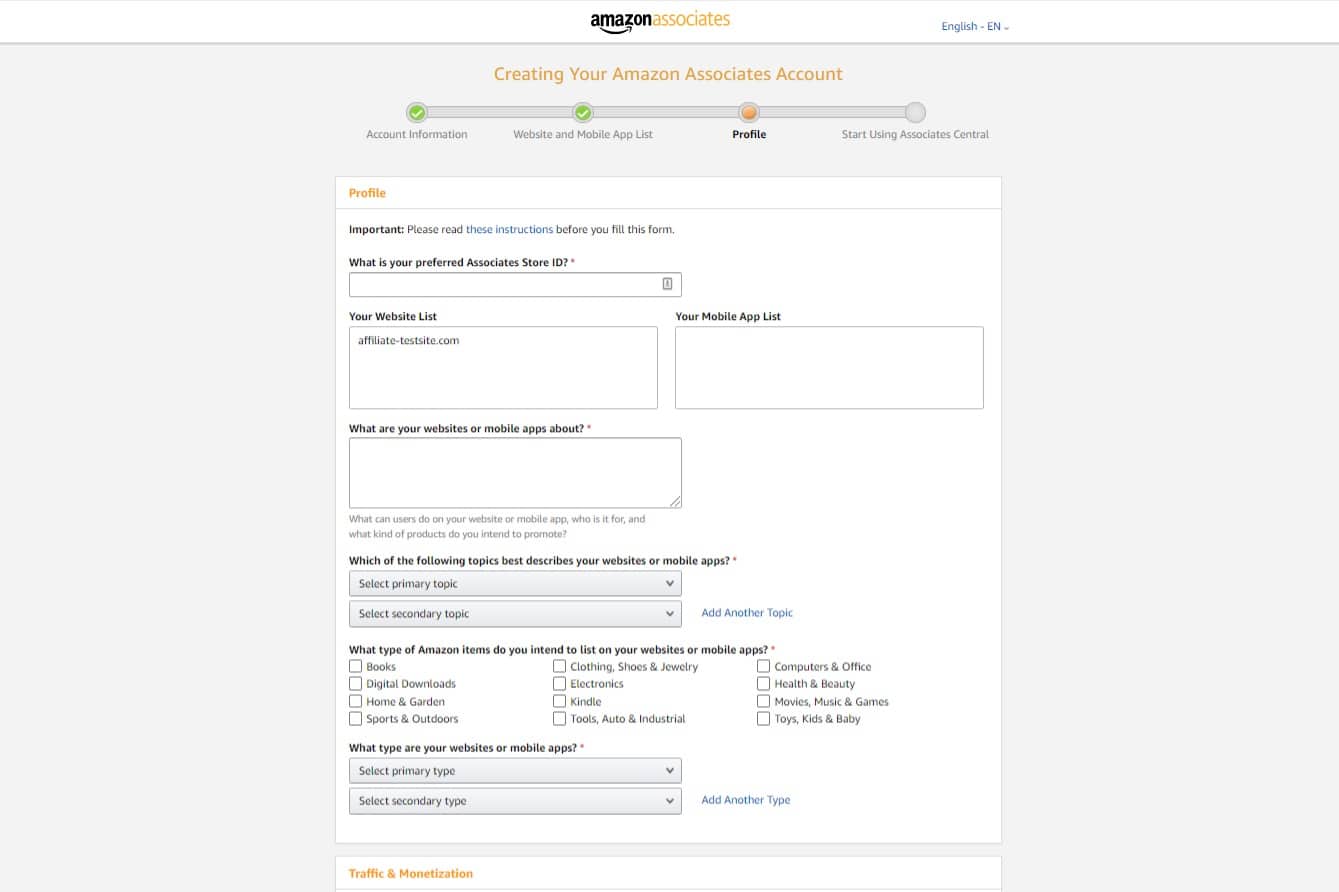
The process for signing up with Amazon Associates is straightforward. Influencers need to create an account and complete the application. After approval, they can generate affiliate links to promote Amazon products. Thorough understanding of the program’s terms and conditions is essential.
Best Practices for Using Amazon Associates
- Create High-Quality Content: Focus on creating engaging and informative content that resonates with the target audience.
- Promote Relevant Products: Select products that align with the influencer’s niche and audience interests.
- Build Trust with the Audience: Establish credibility and build trust by being transparent and genuine.
- Optimize Affiliate Links: Use descriptive and -rich affiliate links to improve and drive traffic.
Following these practices will maximize the potential of the program.
Choosing Products to Promote
Influencers should choose products that align with their niche and audience interests. Researching high-demand products and those with competitive commission rates is essential. Analyzing competitor strategies can also provide valuable insights.
Content Creation for Affiliate Marketing
High-quality content is paramount in affiliate marketing. It’s not just about plugging products; it’s about building trust and rapport with your audience. Engaging content that resonates with your audience directly impacts conversions and ultimately, your affiliate earnings. This section dives deep into creating compelling content that drives results.Creating content tailored to affiliate products requires understanding the product, its benefits, and your audience’s needs.
This means delving beyond surface-level descriptions and exploring how the product solves a problem or fulfills a desire. By connecting with your audience on a deeper level, you can create genuine enthusiasm and trust, leading to more successful affiliate marketing campaigns.
Importance of High-Quality Content
High-quality content establishes credibility and fosters trust with your audience. This, in turn, translates into increased engagement and ultimately, higher conversion rates. Authenticity is key; viewers can readily spot inauthenticity, which can harm your reputation and affect sales. Thorough research and a genuine interest in the products you promote are essential for building trust.
Storytelling and Engagement
Storytelling is a powerful tool in affiliate marketing. By weaving narratives around product usage, you can create a deeper emotional connection with your audience. This could involve showcasing how a product improved someone’s life, solved a problem, or enhanced a specific aspect of their daily routine. A personal anecdote or a compelling narrative makes the product relatable and increases engagement.
Creating Engaging Content Tailored to Specific Products
To create content that resonates, tailor your approach to the specific product. Analyze the product’s unique features and benefits. Highlight what makes it stand out from competitors. Research your target audience to understand their needs and preferences. Use this information to create content that addresses their pain points and desires, positioning the product as the ideal solution.
For example, if promoting hiking boots, focus on comfort, durability, and the experience of exploring nature.
Authentic Product Promotion
Promoting affiliate products authentically is crucial. Don’t just list features; demonstrate how the product solves a problem or fulfills a desire. Highlight genuine experiences and user testimonials. Focus on the value proposition of the product, explaining how it benefits the audience. Avoid excessive or aggressive promotion.
Present your affiliate products in a natural and integrated way within your content, not as an interruption or sales pitch.
Compelling Content Examples for Different Niches
- Fashion: A blog post showcasing outfits created using clothing from a specific brand, highlighting the quality and style. Include user testimonials or personal stories about how the clothing enhanced someone’s confidence.
- Technology: A video review comparing different features and functionalities of two similar products, concluding with a recommendation based on the review. Include user reviews or personal anecdotes about using the products in everyday situations.
- Health and Fitness: A detailed article explaining the benefits of a specific workout routine or dietary supplement. Include before-and-after photos or videos of satisfied users to showcase the product’s effectiveness.
Content Creation Tips
- Thorough Research: Conduct comprehensive research on the product, its target audience, and competitors. Understand the nuances of the product’s benefits and use cases.
- High-Quality Visuals: Use high-resolution images and videos that effectively showcase the product. Ensure visual appeal complements the written content.
- Unique Perspective: Offer a unique perspective on the product, providing insights and information that go beyond standard product descriptions.
- Engaging Language: Use engaging and captivating language to keep the audience interested and involved.
- Clear Call to Action: Include a clear call to action that guides the audience towards purchasing the product.
Content Creation Tools and Resources
- Canva: A graphic design tool for creating visually appealing images and social media graphics.
- Adobe Photoshop/Lightroom: Professional image editing software for high-quality image and video production.
- Video Editing Software (e.g., Filmora, iMovie): Tools for creating and editing videos.
- Grammarly/ProWritingAid: Tools for enhancing writing quality.
- Tools (e.g., SEMrush, Ahrefs): Tools to optimize content for search engines.
Legal and Ethical Considerations
Affiliate marketing, while offering lucrative opportunities, necessitates adherence to legal and ethical standards. Navigating these guidelines is crucial for maintaining credibility and avoiding potential legal repercussions. Understanding the rules and regulations, along with ethical practices, is paramount for sustainable success in this field.
Relevant Legal Regulations and Compliance
Affiliate marketing regulations vary across jurisdictions. Understanding and complying with these regulations is vital. Laws governing advertising, consumer protection, and disclosure requirements often apply to affiliate marketing activities. Failure to comply can result in significant fines or legal action. Consult legal professionals specializing in digital marketing and affiliate programs to ensure adherence to local laws.
It’s important to note that these regulations may evolve, so staying informed is essential.
Importance of Disclosure in Affiliate Marketing
Transparency is a cornerstone of ethical affiliate marketing. Clear and conspicuous disclosure is mandatory to maintain trust with potential customers. Disclosing any potential conflicts of interest, sponsored content, or financial incentives associated with affiliate links is critical. Failure to disclose these relationships can lead to misleading customers and legal repercussions. This includes explicitly labeling sponsored content, such as using terms like “sponsored post” or “affiliate link.”
Ethical Practices for Affiliate Marketing
Ethical affiliate marketing emphasizes genuine recommendations. Promoting products or services only when genuinely satisfied or convinced of their value is crucial. Avoid exaggerating or fabricating positive aspects, and be honest about any limitations or drawbacks. Transparency is key, building trust with your audience, and fostering genuine connections with your audience.
Avoiding Misleading or Deceptive Practices
Misleading or deceptive practices can severely damage your reputation and lead to legal issues. Avoid creating false claims, exaggerating product benefits, or using misleading imagery. Ensure your content accurately reflects the product or service being promoted. Honesty and accuracy are essential for long-term success.
Table of Key Legal Considerations
| Consideration | Explanation | Example |
|---|---|---|
| Disclosure | Clearly and conspicuously revealing any affiliation with the promoted product or service. This includes revealing any financial incentives or potential conflicts of interest. | Using phrases like “affiliate link,” “sponsored post,” or “I received a commission for this purchase.” |
| Misleading Practices | Avoid creating false claims, exaggerating product benefits, or using misleading imagery. | Not stating a product is from a specific company when it is not, or creating fake reviews. |
Ending Remarks

In conclusion, affiliate programs offer a powerful avenue for small influencers to monetize their audience and build a sustainable income stream. By carefully selecting programs, crafting compelling content, and adhering to ethical guidelines, influencers can maximize their potential and achieve remarkable results. This guide has provided a comprehensive roadmap, enabling you to confidently embark on your affiliate marketing journey.
Top FAQs
What are the common pitfalls to avoid when choosing an affiliate program?
Poorly researched programs, low commission rates, and a lack of alignment with your niche are all potential pitfalls. Thorough research and careful consideration are essential.
How can I ensure my affiliate content is authentic?
Focus on transparency and genuine recommendations. Clearly disclose your affiliate relationships and provide valuable insights to your audience, demonstrating expertise and building trust.
What are some key metrics to track for measuring affiliate program performance?
Track clicks, conversions, and revenue generated from affiliate links. Analyzing these metrics provides crucial insights into the effectiveness of your strategies and allows for necessary adjustments.
What is the best way to choose products to promote?
Align products with your niche and audience interests. Promote products you genuinely believe in and that align with your brand. Research thoroughly to ensure value for your audience.
 [Placeholder for a flowchart image. This would depict a visual representation of the steps involved, from initial planning to tracking performance. It would include boxes representing tasks like “Identify Niche,” “Create Content,” “Promote on Platforms,” and “Track Performance,” with arrows connecting them. This would illustrate the logical sequence of actions necessary to create a profitable affiliate business.]