
As the bitcoin stock price chart takes center stage, it invites enthusiasts and investors alike to delve into the fascinating world of cryptocurrency. Bitcoin, the pioneer of digital currency, has captured the attention of many, and understanding its price movements is crucial for making informed investment decisions. This chart not only reflects the historical trends of Bitcoin prices but also serves as a vital tool for predicting future movements based on various indicators and analyses.
From significant fluctuations in historical prices to the impact of external factors, the analysis of Bitcoin stock price charts unveils the complexities of this volatile market. By examining key trends and comparisons with other cryptocurrencies, individuals can gain a comprehensive understanding of Bitcoin’s behavior in the ever-evolving financial landscape.
Overview of Bitcoin Stock Price Chart
Bitcoin stock price charts are graphical representations that illustrate the price movements of Bitcoin over a specific period. These charts serve as essential tools for traders and investors, providing a visual summary of how Bitcoin’s value fluctuates in the market. Understanding these charts is crucial as they help users identify trends, make informed trading decisions, and predict future price movements based on historical data.The significance of tracking Bitcoin prices visually lies in the ability to quickly grasp market trends and price patterns.
Through these charts, investors can observe fluctuations in Bitcoin’s price, spot potential buying or selling opportunities, and analyze the market’s overall sentiment. By examining a Bitcoin stock price chart, one can gain insights into volatility and market behavior, which are essential for effective trading strategies.
Components of a Bitcoin Stock Price Chart
A Bitcoin stock price chart consists of various components that provide detailed information about price movements. Each element serves a specific purpose in helping users analyze market data.Common components include:
- Price Axis: The vertical axis represents the price of Bitcoin, usually displayed in a currency such as USD. It allows viewers to see the exact price at any given point on the chart.
- Time Axis: The horizontal axis indicates the time frame for the price data, which can range from minutes to years, depending on the chart’s purpose.
- Candlestick Patterns: Each candlestick represents price movement for a specific time period, showing the opening, closing, high, and low prices. This provides a visual representation of market sentiment.
- Volume Indicators: Volume bars illustrate the number of Bitcoin traded during specific time intervals. High trading volume can indicate strong market interest.
- Moving Averages: Lines drawn to smooth out price data over time, helping to identify trends by filtering out market noise. Common periods include 50-day and 200-day moving averages.
Understanding these components enhances the ability to interpret Bitcoin price charts and make educated decisions. Traders often analyze multiple components in tandem to gain a comprehensive view of market behaviors and trends.
“The more you understand the components of a Bitcoin stock price chart, the better equipped you’ll be to navigate the complexities of cryptocurrency trading.”
Historical Bitcoin Price Trends
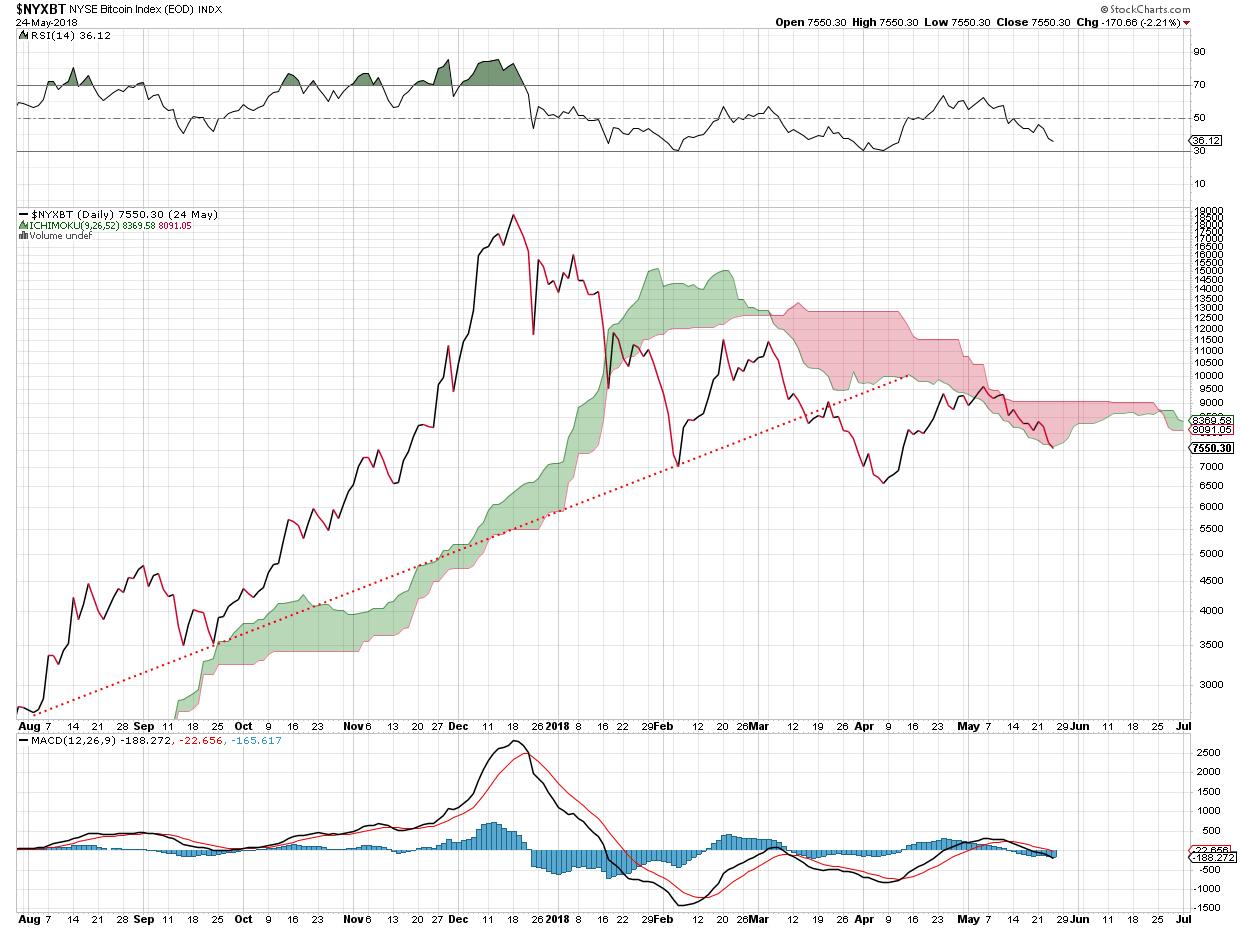
The price of Bitcoin has seen numerous fluctuations since its inception in 2009, driven by a myriad of events ranging from technological advancements to regulatory changes. Understanding these historical trends is crucial for analyzing current market behavior and potential future movements.Bitcoin’s price movements can be greatly influenced by key events and overall market sentiment. Throughout its relatively short history, significant milestones have shaped investor confidence and demand.
Below is a detailed timeline showcasing major price changes over the years, along with the events that contributed to these shifts.
Timeline of Key Historical Bitcoin Price Changes
The following timeline highlights some pivotal moments that have shaped Bitcoin’s price trajectory, illustrating how external factors can cause major price swings:
- 2009: Bitcoin is launched by Satoshi Nakamoto with a value of $0. Initial adoption is slow, with limited trading opportunities.
- 2011: Bitcoin reaches $1 for the first time in February, followed by a rapid rise to $31 in June, only to crash back to $2 in November, demonstrating extreme volatility.
- 2013: The price surges to over $1,000 by late November, fueled by increased media coverage and interest in cryptocurrency.
- 2014: Bitcoin faces challenges as the Mt. Gox exchange collapses, resulting in a substantial price drop to around $300 by early 2015.
- 2017: Bitcoin experiences a meteoric rise, peaking near $20,000 in December amid a frenzy of speculation and investment.
- 2018: The market corrects sharply, with Bitcoin’s price falling to around $3,200 by December, as regulatory scrutiny increases.
- 2020: Bitcoin begins to recover, driven by institutional investment and economic uncertainty due to the pandemic, reaching $20,000 again by December.
- 2021: Bitcoin reaches an all-time high of approximately $64,000 in April, spurred by increased adoption and a favorable market environment.
- 2022: The price drops significantly throughout the year, influenced by macroeconomic factors, including inflation concerns and interest rate hikes, closing around $16,000 by December.
- 2023: Bitcoin regains momentum, fluctuating between $25,000 and $35,000, as institutional interest renews and regulatory clarity improves.
Observed Patterns in Bitcoin’s Historical Price Charts
Analyzing Bitcoin’s historical price charts reveals several patterns that can inform future predictions. These patterns often correlate with external events and market cycles.One consistent pattern is the occurrence of significant price peaks followed by corrections. This behavior indicates a speculative bubble phenomenon, where heightened interest leads to rapid price increases that are unsustainable in the long term. Additionally, Bitcoin has historically showcased cyclical trends, where periods of growth are followed by sustained decline or consolidation phases.Bitcoin’s volatility is another observed pattern, characterized by sharp price movements within short time frames.
This volatility can be attributed to the market’s relatively low liquidity compared to traditional assets, as well as the influence of news events and market sentiment.Another key observation is the relationship between Bitcoin’s price and global economic factors, particularly during times of economic uncertainty. As a decentralized digital asset, Bitcoin often attracts interest as a hedge against inflation and currency devaluation, which can drive up demand during crises.In summary, understanding the historical price trends of Bitcoin provides valuable insights into the market’s behavior and the potential impact of future events on its price movements.
Technical Analysis of Bitcoin Charts
Technical analysis of Bitcoin charts is a crucial aspect for traders and investors aiming to make informed decisions based on market behavior. By analyzing historical price movements and volume data, traders can identify patterns and predict future price trends. This approach leverages various technical indicators to gain deeper insights into market sentiment and momentum.Understanding common technical indicators is essential for effective Bitcoin chart analysis.
These indicators help in identifying potential entry and exit points, providing a clearer picture of market dynamics. The following indicators are widely utilized in Bitcoin analysis:
Common Technical Indicators Used in Bitcoin Chart Analysis
A range of technical indicators can provide valuable insights into Bitcoin’s price movements. Here are some key indicators frequently employed:
- Moving Averages: Moving averages smooth out price data to identify trends over a specific period. The most common types are the Simple Moving Average (SMA) and Exponential Moving Average (EMA).
- Relative Strength Index (RSI): The RSI is a momentum oscillator that measures the speed and change of price movements. It ranges from 0 to 100 and is often used to identify overbought or oversold conditions.
- Bollinger Bands: These consist of a middle band (SMA) and two outer bands (standard deviations away from the SMA). They help traders understand price volatility and potential reversal points.
- MACD (Moving Average Convergence Divergence): This indicator shows the relationship between two moving averages of a security’s price. It is useful for identifying changes in momentum.
The ability to interpret bullish and bearish signals on the chart is pivotal for making accurate trading decisions. Bullish signals indicate potential upward price movements, while bearish signals suggest possible downward trends.
Interpreting Bullish and Bearish Signals
Recognizing these signals can enhance trading strategies and risk management.
- Bullish Signals: These often occur when the price crosses above key resistance levels or moving averages, signaling increasing buying pressure. Other indicators like a rising RSI above 30 or a bullish MACD crossover further confirm potential upward movements.
- Bearish Signals: Conversely, bearish indicators appear when the price drops below significant support levels or moving averages. A declining RSI below 70 or a bearish MACD crossover may indicate the potential for downward price action.
Example Chart Showcasing Technical Indicators Relevant to Bitcoin
While a visual chart cannot be provided here, imagine a Bitcoin price chart with various technical indicators overlaid. Picture a line chart with the Bitcoin price trajectory over the past month. The SMA is plotted as a smooth line, indicating the average price, while the EMA reacts more quickly to price changes.On this chart, you might see the RSI in a separate panel, oscillating between 0 and 100, with horizontal lines at the 30 and 70 levels marking overbought and oversold conditions.
Bollinger Bands would flanking the price, indicating volatility – when the price touches the upper band, it suggests an overbought condition, while touching the lower band indicates oversold conditions. The MACD line might cross above the signal line, indicating a bullish trend.This comprehensive representation allows traders to make educated decisions based on visualized data and technical analysis tools, promoting a better understanding of Bitcoin’s price dynamics.
Influences on Bitcoin Price Movements
The price of Bitcoin is influenced by a complex interplay of various external factors that can lead to significant fluctuations. Understanding these influences is crucial for anyone looking to navigate the Bitcoin market, whether as an investor or an observer. Regulatory changes, market sentiment, and macroeconomic conditions all play vital roles in shaping the trajectory of Bitcoin prices. External factors such as government regulations, technological advancements, market sentiment, and macroeconomic trends can significantly impact Bitcoin’s price.
Regulatory changes, particularly in major economies, can create ripples across the market. For instance, when countries announce stricter regulations on cryptocurrencies, it often leads to a decline in market confidence and, subsequently, a drop in prices. Conversely, positive regulations, such as the endorsement of cryptocurrencies by financial institutions, can propel prices upward.
Key Events Leading to Price Fluctuations
Several key events throughout Bitcoin’s history have resulted in substantial price changes. These events highlight the volatility inherent in the cryptocurrency market and offer insights into the factors that can rapidly alter prices.
- 2013 Bitcoin Price Surge: In 2013, Bitcoin experienced a meteoric rise, driven by growing media attention and interest from investors. The price skyrocketed from around $13 to over $1,100 in just a few months.
- Mt. Gox Exchange Hack (2014): The infamous hack of the Mt. Gox exchange, which held approximately 70% of all Bitcoin transactions at the time, resulted in the theft of 850,000 Bitcoins. This event led to a drastic price drop, with Bitcoin falling from around $800 to below $400.
- Bitcoin Halving Events: Halving events, which occur approximately every four years, have historically impacted Bitcoin’s price. The reduction in the block reward for miners tends to create supply scarcity, often resulting in price increases in the months following the halving.
- Institutional Adoption (2020-2021): In 2020, major companies like MicroStrategy and Tesla announced significant Bitcoin purchases, boosting investor confidence and driving the price from around $7,000 to nearly $65,000 within a year.
- China’s Cryptocurrency Ban (2021): In mid-2021, China’s crackdown on Bitcoin mining and trading led to a sharp decline in prices, demonstrating how regulatory news can quickly alter market sentiment.
“Price movements in Bitcoin are often a reflection of not just market dynamics but also external economic and regulatory factors that can change perceptions overnight.”
By analyzing these key events, investors can better understand the potential for future price movements in Bitcoin. These historical cases illustrate how various influences can lead to significant price spikes or drops, emphasizing the importance of staying informed about the broader market context.
Comparing Bitcoin with Other Cryptocurrencies
Bitcoin has long held the title of the flagship cryptocurrency, leading the market with its price movements and trends. However, it is essential to examine how Bitcoin stands in comparison to other major cryptocurrencies, often referred to as altcoins. This comparison sheds light on the varying performance dynamics within the crypto market and provides investors with a clearer understanding of market behaviors.The price charts of Bitcoin and other significant cryptocurrencies, such as Ethereum, Ripple (XRP), and Litecoin, reveal distinctive trends and patterns.
Over various periods, Bitcoin often exhibits significant volatility, but its price movements can differ drastically from those of altcoins. This analysis can help investors identify opportunities and potential risks associated with each cryptocurrency.
Contrasting Trends in Price Movements
Analyzing the price behaviors of Bitcoin alongside its major competitors can highlight the differences in market reactions to external news and market conditions. Over the past year, for instance, Bitcoin’s price has shown a strong correlation with macroeconomic factors such as inflation concerns and regulatory announcements. In contrast, many altcoins have reacted more favorably to technological advancements or partnerships.The following table summarizes key differences in price behavior between Bitcoin and selected altcoins over the last year:
| Cryptocurrency | Price Change (1 Year) | Volatility Index | Market Sentiment Influence |
|---|---|---|---|
| Bitcoin (BTC) | +60% | High | Strong correlation with market trends |
| Ethereum (ETH) | +30% | Moderate | Influenced by DeFi developments |
| Ripple (XRP) | -5% | High | Regulatory news has significant impact |
| Litecoin (LTC) | +45% | Moderate | Often reacts to Bitcoin’s price changes |
The volatility index reveals that Bitcoin tends to have higher fluctuations compared to some altcoins, suggesting a higher risk-reward scenario for investors. Additionally, the market sentiment surrounding Bitcoin often drives trends across the cryptocurrency market, making it a barometer for other altcoins. Understanding these nuances can aid investors in making more informed decisions in the ever-evolving landscape of cryptocurrencies.
Future Predictions Based on Current Trends
As Bitcoin continues to capture the attention of both investors and analysts, understanding its potential future movements becomes crucial. Current price trends and expert opinions provide valuable insights for predicting Bitcoin’s trajectory in the coming months and years. By analyzing a combination of historical data and market developments, we can gain a clearer understanding of what lies ahead for this leading cryptocurrency.Current price trends suggest that Bitcoin may face volatility but possesses the potential for significant growth.
Analysts often look at previous cycles of price increases and declines to estimate future movements. This historical data is paramount when forecasting Bitcoin’s price, as it tends to follow certain patterns influenced by market sentiments, adoption rates, and external economic factors.
Expert Opinions on Bitcoin Price Predictions
Various experts and analysts have shared their predictions for Bitcoin’s future price movements based on current trends and historical data. These predictions often reflect a range of outcomes, influenced by market conditions, regulatory changes, and geopolitical events. Understanding these perspectives can guide potential investors and enthusiasts. To better illustrate these forecasts, here’s a table of different analysts’ predictions regarding Bitcoin prices over the next few years:
| Analyst | Prediction (Year-End Price) | Comments |
|---|---|---|
| Analyst A | $75,000 | Based on increased institutional adoption and declining supply. |
| Analyst B | $50,000 | Conservative estimate considering potential regulatory hurdles. |
| Analyst C | $100,000 | Expecting a rally driven by mainstream acceptance and innovations in blockchain technology. |
| Analyst D | $30,000 | Predicts a downturn due to economic instability and reduced investor interest. |
The range of predictions highlights the speculative nature of cryptocurrency investments. Market conditions change rapidly, and unforeseen events can significantly impact Bitcoin’s price.
“Bitcoin often acts as a barometer for the entire cryptocurrency market; its movements can influence many altcoins and investor sentiments.”
Understanding the implications of these predictions helps investors make informed decisions and manage their expectations in the highly dynamic cryptocurrency landscape.
Tools and Resources for Tracking Bitcoin Prices
Tracking Bitcoin prices effectively requires access to reliable tools and resources that present accurate and up-to-date information. In the dynamic world of cryptocurrency, having the right resources can empower investors to make informed decisions based on real-time data. Various platforms, apps, and websites serve as gateways to Bitcoin price charts, technical analysis, and market trends. Understanding how to utilize these resources is essential for any individual looking to navigate the Bitcoin market.
Reliable Platforms for Bitcoin Price Charts
Several platforms are renowned for providing accurate Bitcoin stock price charts. Below are key resources where individuals can easily track Bitcoin prices:
- CoinMarketCap: A comprehensive website that displays detailed price charts of Bitcoin along with market cap, trading volume, and historical data. Users can customize their views and access additional metrics.
- TradingView: A popular charting platform that offers advanced tools for technical analysis. Users can create personalized charts, apply various indicators, and share their analyses with the community.
- Binance: One of the largest cryptocurrency exchanges that provides live Bitcoin price charts, trading pairs, and market depth. The exchange’s integrated tools allow for real-time trading and analysis.
- CoinGecko: Similar to CoinMarketCap, this platform offers an extensive range of cryptocurrency data, including Bitcoin price charts, price alerts, and a community-driven perspective.
Understanding how to effectively use these platforms can significantly enhance one’s abilities to interpret market dynamics and make informed trading decisions.
Using Charting Tools for Better Understanding Bitcoin Prices
Utilizing charting tools can greatly assist in understanding Bitcoin price movements and trends. Here are some ways to maximize the effectiveness of these tools:
- Familiarize with Candlestick Charts: Candlestick charts provide a visual representation of price movements over a specified timeframe. Each candle indicates open, close, high, and low prices, offering insights into market sentiment.
- Apply Technical Indicators: Indicators like Moving Averages, RSI (Relative Strength Index), and MACD (Moving Average Convergence Divergence) help traders identify trends and potential reversal points.
- Utilize Drawing Tools: Use trendlines and Fibonacci retracement levels to identify key support and resistance areas, which are crucial for predicting future price movements.
- Set Alerts: Many platforms allow users to set price alerts for Bitcoin, helping them stay informed about significant price changes without constantly checking prices.
These strategies can enhance one’s understanding of market trends and potential investment opportunities in Bitcoin.
Step-by-Step Guide to Setting Up a Bitcoin Price Chart on TradingView
Creating a Bitcoin price chart on TradingView is an intuitive process. The following steps Artikel how to set up your chart quickly:
- Create an Account: Visit the TradingView website and sign up for a free account. This allows you to save your chart setups and access advanced features.
- Select Bitcoin: In the search bar, type “BTCUSD” to find the Bitcoin to US Dollar trading pair, or select any other pair that interests you.
- Choose Chart Type: Once the chart appears, choose your preferred chart type (line, candlestick, etc.) from the options available at the top of the chart.
- Set Time Frame: Adjust the time frame to analyze Bitcoin’s price over different periods (1 minute, 1 hour, daily, etc.) using the options provided in the toolbar.
- Add Indicators: Click on the “Indicators” button and search for any technical indicators you wish to apply, such as Moving Averages or RSI.
- Save the Chart: After customizing your chart, save your setup to your TradingView account for future reference.
By following these steps, users can create a personalized Bitcoin price chart that aligns with their trading strategies and investment goals, ultimately enhancing their ability to analyze the cryptocurrency market effectively.
Wrap-Up
In conclusion, the exploration of the bitcoin stock price chart provides valuable insights into the trends and movements of this leading cryptocurrency. By grasping the historical context, utilizing technical analysis, and considering external influences, investors can better navigate the intricacies of Bitcoin trading. As we look to the future, staying informed and utilizing the right tools will empower individuals to make savvy decisions in the dynamic world of cryptocurrency.
Questions and Answers
What is a Bitcoin stock price chart?
A Bitcoin stock price chart is a visual representation of Bitcoin’s price movements over time, showing historical data and trends.
Why is tracking Bitcoin prices important?
Tracking Bitcoin prices helps investors understand market trends, make informed decisions, and identify potential investment opportunities.
What are common technical indicators used in Bitcoin analysis?
Common technical indicators include moving averages, Relative Strength Index (RSI), and Bollinger Bands, which help assess market conditions.
How can I access Bitcoin stock price charts?
You can access Bitcoin stock price charts through various platforms, including trading websites, financial apps, and cryptocurrency exchanges.
What factors influence Bitcoin price movements?
Factors include market sentiment, regulatory news, technological developments, and macroeconomic trends that affect investor behavior.