Bitcoin news is buzzing with excitement as the cryptocurrency continues to evolve and penetrate various sectors of the economy. From significant price fluctuations to notable advancements in blockchain technology, the dynamics surrounding Bitcoin are both intriguing and impactful. As businesses increasingly adopt Bitcoin as a payment option and governments grapple with regulations, the landscape of digital currency is shifting rapidly.
In this overview, we’ll explore the latest trends in Bitcoin news, delve into adoption rates across different nations, and examine the potential risks and rewards associated with investing in Bitcoin. Whether you’re a seasoned investor or a newcomer, understanding these facets is vital for navigating the ever-changing world of cryptocurrency.
Current Trends in Bitcoin News
The Bitcoin market has been experiencing significant fluctuations and developments in recent months. Investors and enthusiasts are closely monitoring these changes as they can have wide-ranging implications for the cryptocurrency ecosystem. From regulatory updates to influential figures shaping the market, understanding these trends is crucial for anyone involved in or analyzing Bitcoin.Government regulations have emerged as a pivotal factor influencing Bitcoin prices.
Many countries are reassessing their stances on cryptocurrency, which can lead to increased volatility in the market. For instance, recent discussions around stricter regulations in major economies like the United States and the European Union have raised concerns among investors, contributing to price fluctuations. Regulatory clarity can either inspire confidence or create uncertainty, which directly impacts investor behavior and market sentiment.
Impact of Government Regulations on Bitcoin Prices
Government regulations are often seen as a double-edged sword in the cryptocurrency world. On one hand, they can lead to investor confidence through clearer guidelines; on the other hand, they can instigate fear and uncertainty.
Stricter Compliance Requirements
Countries implementing more stringent compliance measures can cause prices to dip as investors reassess risks.
Taxation Policies
The introduction of new tax laws related to cryptocurrency transactions can influence market behavior, as seen when the U.S. Internal Revenue Service clarified its stance on taxing crypto gains.
Central Bank Digital Currencies (CBDCs)
The rise of CBDCs by national governments may affect Bitcoin’s adoption as an alternative currency, potentially dampening its appeal.
“Regulatory changes can significantly shift market dynamics, influencing both investor sentiment and price trajectories.”
Influential Figures in the Bitcoin Community
The Bitcoin landscape is heavily influenced by a few key figures whose actions and opinions can sway market trends. Their insights and decisions often carry weight, impacting the overall sentiment and direction of the market.
Elon Musk
The CEO of Tesla and SpaceX has made headlines with his tweets about Bitcoin, leading to immediate price reactions. His support for Bitcoin has been viewed positively, while his criticisms have triggered sell-offs.
Michael Saylor
The CEO of MicroStrategy has been a vocal advocate for Bitcoin, promoting it as a primary reserve asset for corporations, which encourages institutional adoption.
Jack Dorsey
The co-founder of Twitter is known for his commitment to Bitcoin, advocating its potential to empower individuals and enhance financial freedom.
“Influential figures can act as catalysts for significant market movements, making their insights invaluable to understanding Bitcoin trends.”
Overall, the evolving landscape of Bitcoin is shaped by regulatory developments and the actions of key influencers, creating a dynamic environment for both investors and enthusiasts.
Bitcoin Adoption and Usage
The landscape of Bitcoin is evolving rapidly, with more businesses adopting this cryptocurrency as a viable payment method. This shift reflects a growing acceptance of digital currencies in the mainstream economy, driven by technological advancements and changing consumer preferences. Bitcoin is increasingly being accepted by businesses of all sizes, ranging from local shops to multinational corporations. As businesses recognize the potential benefits of incorporating Bitcoin into their payment systems, the overall adoption rate continues to rise.
Factors contributing to this trend include lower transaction fees, cross-border payment efficiencies, and increased customer demand for cryptocurrency options.
Increase of Bitcoin as a Payment Method
Many businesses have begun to view Bitcoin not just as an investment, but as a legitimate way to transact. This evolution signifies a significant cultural shift in how digital currencies are perceived. The benefits of accepting Bitcoin are multifaceted.
- Cost-Effectiveness: Unlike traditional payment methods, Bitcoin transactions often involve lower fees, making it an attractive option for businesses.
- Global Reach: Bitcoin enables businesses to reach international customers without the complexities inherent in currency conversion.
- Improved Cash Flow: Instant transactions reduce the waiting time for payment settlements, enhancing cash flow for businesses.
The adoption of Bitcoin varies significantly across different regions. Countries with a more developed digital infrastructure tend to have higher Bitcoin acceptance rates. A comparative analysis reveals that countries like the United States, Canada, and Germany lead in Bitcoin adoption, while nations like Nigeria and Venezuela exhibit unique usage trends driven by economic instability.
Adoption Rates in Various Countries
Tracking Bitcoin adoption globally uncovers intriguing patterns in its usage across diverse economies.
- United States: Approximately 25% of businesses accept Bitcoin as a form of payment, reflecting a growing trend in retail and services.
- Germany: Known for its robust technology sector, about 20% of German companies have integrated Bitcoin payments.
- Nigeria: Economic challenges have spurred a surge in Bitcoin usage, with estimates suggesting up to 30% of the population engaging in cryptocurrency transactions.
Understanding the demographics of Bitcoin wallet usage is crucial for grasping the cryptocurrency’s reach. Bitcoin ownership is not limited to tech-savvy individuals; it spans various age groups and socioeconomic backgrounds.
Bitcoin Wallet Usage and Ownership Demographics
The distribution of Bitcoin wallets presents insights into who is utilizing this cryptocurrency.
- Age Group: A significant portion of Bitcoin holders falls within the 25-34 age range, comprising around 50% of wallet users.
- Gender Distribution: Studies indicate that men are more likely to own Bitcoin wallets, although female participation is gradually increasing.
- Income Levels: Bitcoin ownership is prevalent among individuals with higher income levels, yet there is a notable increase in interest from lower-income groups in developing nations.
The statistics underline the diverse and expanding base of Bitcoin users, suggesting a bright future for Bitcoin as it becomes more integrated into everyday transactions.
Bitcoin Market Analysis
Recent fluctuations in Bitcoin’s price have garnered significant attention, reflecting the cryptocurrency’s volatile nature. Over the past few weeks, there have been notable surges and dips driven by various market factors, including regulatory developments, macroeconomic indicators, and shifts in investor sentiment. Understanding these dynamics is crucial for both current and prospective investors in the Bitcoin space.The trading volume and market capitalization of Bitcoin are essential indicators reflecting its market activity.
Recent data showcases considerable shifts, with trading volume spiking during periods of price volatility. On average, Bitcoin’s market capitalization has hovered around $450 billion, with occasional spikes above $500 billion during bullish trends. Tracking these metrics helps gauge market interest and liquidity, providing insights into potential future movements.
Price Fluctuations and Their Causes
The recent price fluctuations of Bitcoin can be attributed to a variety of factors that influence market sentiment. Key drivers include:
- Regulatory News: Announcements from government bodies regarding cryptocurrency regulations often lead to rapid price changes. For instance, a recent statement from the U.S. Securities and Exchange Commission about potential regulations on stablecoins impacted investor confidence.
- Macro-Economic Data: Global economic indicators such as inflation rates and interest rate decisions from central banks can affect Bitcoin’s perceived value as a hedge against inflation.
- Market Sentiment: Social media trends and influential figures in the crypto space can sway public opinion, leading to sudden price shifts. Notably, tweets from prominent figures like Elon Musk have historically caused significant market reactions.
Trading Volume and Market Capitalization Trends
Analyzing trading volume alongside market capitalization provides insights into the health and activity of the Bitcoin market. Recent trends indicate:
- Increased Trading Volume: During bullish trends, trading volume often increases as more investors enter the market, which can further amplify price increases.
- Market Capitalization Fluctuations: Bitcoin’s market capitalization is heavily influenced by its price. For example, a surge in price to $60,000 corresponded with a market cap exceeding $1 trillion, showcasing the impact of price movements on overall valuation.
- Impact of Exchange Listings: When Bitcoin is listed on more exchanges, trading volume tends to increase, indicating greater accessibility and investor interest.
Implications of Bitcoin Halving Events
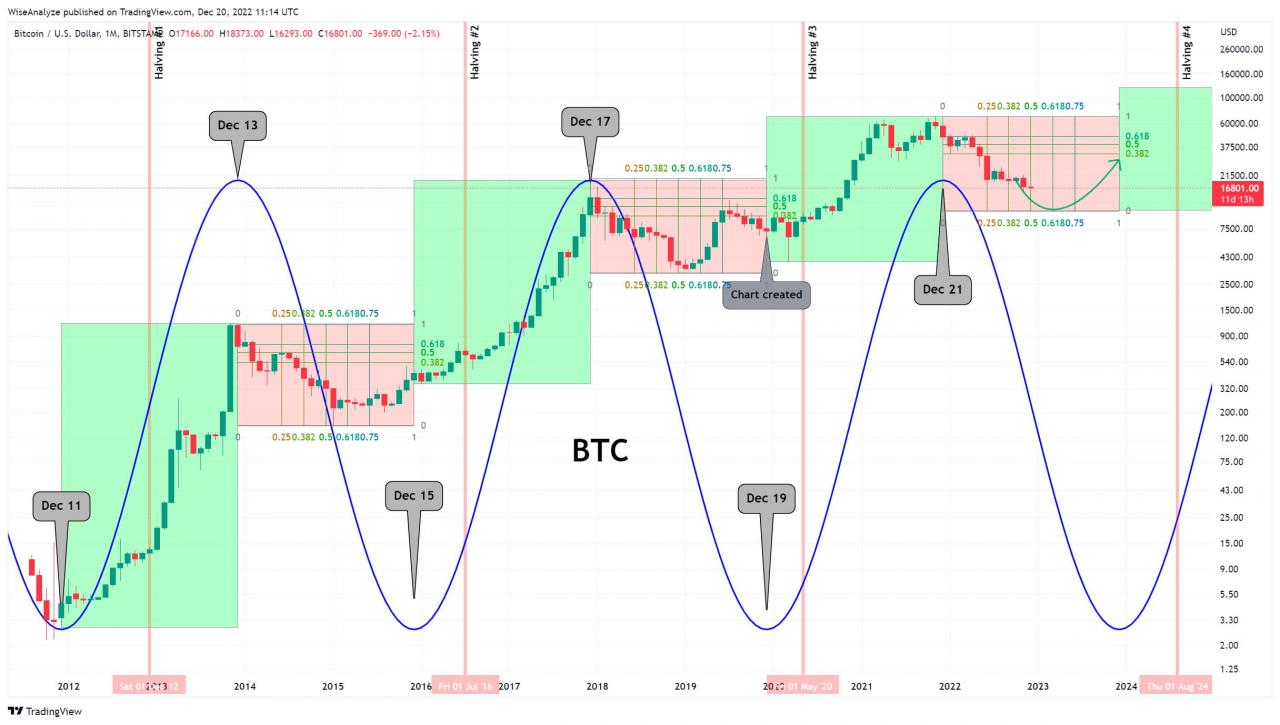
Bitcoin halving events occur approximately every four years and have significant implications for the market dynamics. This event reduces the reward for mining Bitcoin by half, effectively decreasing the supply of new Bitcoins entering circulation. The historical context demonstrates the following outcomes:
- Price Increases: Following past halving events, Bitcoin’s price has typically experienced substantial growth. For example, the halving in May 2020 preceded a price increase that saw Bitcoin reach an all-time high of nearly $64,000 by April 2021.
- Miner Economics: The reduction in mining rewards necessitates that miners operate efficiently, often leading to consolidation in the mining industry and potentially affecting the security of the network.
- Supply and Demand Dynamics: With halving events leading to a decreased supply of new Bitcoins, as demand remains steady or increases, upward pressure on prices can be expected.
Security and Risks in Bitcoin Transactions
As Bitcoin continues to gain traction as a digital currency, understanding the security threats and risks associated with it becomes increasingly important for users and investors alike. With its decentralized nature, Bitcoin transactions can be particularly susceptible to various security vulnerabilities that users must be aware of in order to protect their assets and personal information.Common security threats faced by Bitcoin users include phishing attacks, malware, and hacking incidents.
Phishing attacks often involve malicious emails or websites that mimic legitimate services to steal users’ private keys or login credentials. Malware can infect devices, enabling attackers to gain unauthorized access to wallets or sensitive information. Moreover, hacking incidents targeting exchanges or wallets have resulted in significant losses for investors and users.
Best Practices for Ensuring the Security of Bitcoin Wallets
Implementing best practices for securing Bitcoin wallets is crucial for safeguarding assets against potential threats. Proper wallet management can significantly reduce the risk of theft or loss. Below are several effective strategies:
- Use Hardware Wallets: Hardware wallets, such as Ledger or Trezor, provide offline storage for private keys, significantly minimizing exposure to online threats.
- Enable Two-Factor Authentication (2FA): Activating 2FA on accounts helps secure access by requiring an additional verification step, making unauthorized access more difficult.
- Regular Software Updates: Keeping wallet software and devices updated ensures that users benefit from the latest security patches and features.
- Beware of Public Wi-Fi: Avoid accessing wallets over public Wi-Fi networks, as these connections can be insecure and prone to eavesdropping.
- Backup Wallets: Regularly backing up wallet data ensures recovery options are available in case of device failure or loss.
Potential Risks Associated with Investing in Bitcoin
Investing in Bitcoin carries inherent risks that potential investors should carefully consider. The volatility of Bitcoin prices can lead to substantial financial losses, especially for those who may not have a high-risk tolerance. Historical data reveals significant price fluctuations; for instance, Bitcoin reached an all-time high of nearly $64,000 in April 2021 before dropping to around $30,000 just a few months later.
Furthermore, regulatory changes can impact Bitcoin’s legality and use, which may affect its market value. For example, countries tightening regulations or banning cryptocurrency transactions can lead to price drops or limit access for users. Additionally, the lack of consumer protection in the cryptocurrency ecosystem poses a risk, as transactions, once confirmed, are irreversible. This means that if a user falls victim to fraud or mistakenly sends Bitcoin to the wrong address, there is generally no recourse to retrieve the funds.
Technological Developments in Bitcoin
Recent advancements in blockchain technology have significantly influenced the way Bitcoin operates, enhancing its functionality, security, and efficiency. These developments not only contribute to the overall reliability of Bitcoin as a currency but also pave the way for broader adoption and innovative use cases. Understanding these technological changes is crucial for anyone involved in the Bitcoin space.
Advancements in Blockchain Technology
The underlying technology of Bitcoin, blockchain, continues to evolve, with new protocols and improvements being implemented regularly. Innovations such as smart contracts and improved consensus mechanisms are enhancing transaction speeds and reducing costs. Noteworthy advancements include:
- Shard Chains: This method splits the blockchain into smaller, more manageable pieces, allowing transactions to be processed simultaneously across different shards. This increases scalability and efficiency.
- Proof of Stake (PoS) Implementations: While Bitcoin primarily uses Proof of Work (PoW), hybrid models incorporating PoS are being explored to reduce energy consumption and enhance security.
- Interoperability Protocols: These protocols facilitate communication between different blockchains, allowing Bitcoin to interact seamlessly with other cryptocurrencies and decentralized applications (dApps).
Significance of Bitcoin’s Lightning Network
The Lightning Network is a notable development that addresses Bitcoin’s scalability issues. By enabling off-chain transactions, it allows users to send and receive Bitcoin almost instantaneously without congesting the main blockchain. This innovation is crucial for real-world Bitcoin adoption, especially for microtransactions.
- Transaction Speed: Lightning Network transactions can be completed in seconds, making Bitcoin viable for everyday purchases.
- Lower Fees: Off-chain transactions significantly reduce the transaction fees associated with network congestion, encouraging more users to transact in Bitcoin.
- Enhanced Privacy: Transactions on the Lightning Network are more private as they do not appear on the public blockchain until they are settled, adding a layer of anonymity to users.
Upcoming Updates or Forks in the Bitcoin Protocol
The Bitcoin ecosystem is continually adapting to meet the demands of its users. Upcoming updates or forks are essential for enhancing functionality and security. Notable developments on the horizon include:
- Taproot Upgrade: Implemented in late 2021, Taproot enhances Bitcoin’s smart contract capabilities and privacy features by allowing complex transactions to be executed more efficiently.
- BIP 340 (Schnorr Signatures): This update is set to improve transaction efficiency and privacy by replacing Bitcoin’s current signature scheme with Schnorr signatures, which allow for batch processing of transactions.
- Increased Block Size Proposals: Discussions around increasing the block size cap aim to enhance transaction capacity, although such proposals often meet resistance due to potential centralization concerns.
“The evolution of Bitcoin’s technology is crucial not just for its own success, but for the wider adoption of cryptocurrencies in general.”
Bitcoin and Environmental Concerns
The environmental impact of Bitcoin mining has become a central topic of discussion as cryptocurrencies gain popularity. With significant energy consumption associated with the mining process, concerns regarding carbon footprints and environmental sustainability are at the forefront. Understanding the balance between technological innovation and environmental responsibility is crucial for the future of Bitcoin.Bitcoin mining is an energy-intensive process, primarily due to the computational power required to solve complex cryptographic puzzles.
This mining process consumes vast amounts of electricity, leading to significant environmental concerns. According to various studies, Bitcoin mining alone is estimated to consume as much energy as some small countries. This high energy demand raises questions about the sustainability of Bitcoin, especially when much of this energy is derived from fossil fuels.
Comparison of Renewable Energy Usage
The shift towards renewable energy sources in Bitcoin mining is gaining traction as miners seek to mitigate their environmental impact. Traditional mining methods primarily rely on non-renewable energy sources, contributing to greenhouse gas emissions. In contrast, a growing number of Bitcoin mining operations are exploring renewable options such as solar, wind, and hydroelectric power.The comparison of energy sources is critical in evaluating the environmental sustainability of Bitcoin mining.
Here are some key points to consider:
- Traditional Energy Sources: A significant portion of Bitcoin mining operations utilize electricity generated from coal and natural gas, leading to increased carbon emissions.
- Renewable Energy Sources: Many mining facilities are now transitioning to renewable energy, with estimates suggesting that up to 56% of Bitcoin mining operations are powered by renewable energy sources.
- Geothermal Energy: Some innovative miners are tapping into geothermal energy, especially in regions where volcanic activity provides a sustainable energy source.
The transition to renewable energy is not just beneficial for the environment; it can also lead to cost efficiencies for miners, particularly in locations where renewable energy is abundant and inexpensive.
Sustainability Initiatives in Bitcoin Mining
Various initiatives are underway to make Bitcoin mining more sustainable. These initiatives aim to reduce the carbon footprint of mining activities and promote the use of cleaner energy sources. The following efforts highlight the industry’s commitment to sustainability:
- Green Mining Initiatives: Organizations are actively promoting and funding projects that enhance the use of renewable energy in the mining sector.
- Carbon Offsetting Programs: Some mining companies are participating in carbon offsetting schemes, which involve investing in projects that reduce emissions elsewhere to compensate for their energy use.
- Partnerships with Renewable Energy Providers: Collaborations between Bitcoin miners and renewable energy companies are increasing, ensuring that mining operations can access sustainable energy sources more easily.
With the growing awareness of environmental issues, the Bitcoin community is increasingly prioritizing sustainability, which may influence future regulations and mining practices. As a result, Bitcoin’s environmental impact continues to evolve, demonstrating that there is room for both innovation and responsibility in the cryptocurrency space.
Bitcoin and Global Economics
The intersection of Bitcoin and global economics presents a complex landscape ripe with implications for financial markets, consumer behavior, and overall economic stability. As digital currencies like Bitcoin continue to mature, their influence on the global economy and traditional financial institutions is increasingly significant. This analysis explores Bitcoin’s role in economic structures, perceptions as a hedge against inflation, and the potential disruptions it poses to traditional banking systems.
Bitcoin’s Role in the Global Economy
Bitcoin has emerged as a significant player in the global economy, representing both a new asset class and a means of exchange. Its decentralized nature enables individuals to transact without intermediaries, thereby reducing transaction costs and increasing efficiency in cross-border payments. Moreover, Bitcoin is increasingly viewed as a store of value akin to gold, especially during times of economic uncertainty.One primary driving factor of Bitcoin’s adoption is its limited supply.
The total supply of Bitcoin is capped at 21 million coins, a feature that contributes to its perception as a hedge against inflation. As traditional fiat currencies can be subject to inflationary pressures due to monetary policy, many investors are turning to Bitcoin to preserve their wealth.
The limited supply of Bitcoin positions it as a potential safeguard against inflationary trends in the global economy.
Bitcoin as a Hedge Against Inflation
Many investors consider Bitcoin a robust hedge against inflation, particularly as central banks worldwide adopt expansive monetary policies. The inflationary pressures resulting from increased money supply can erode purchasing power, leading investors to seek alternative stores of value. Bitcoin, with its deflationary properties, presents a compelling case in this regard.Several notable examples underline this trend. In countries experiencing hyperinflation, such as Venezuela and Zimbabwe, Bitcoin adoption has surged as citizens seek to protect their savings from devaluation.
Additionally, during the COVID-19 pandemic, numerous analysts observed a spike in Bitcoin investments as individuals and institutions looked for security amidst economic instability.
Effects of Bitcoin on Traditional Banking Systems
Bitcoin poses both challenges and opportunities for traditional banking systems. As decentralized finance (DeFi) platforms gain traction, traditional banks face pressure to innovate and adapt their services to meet changing consumer preferences. The rise of Bitcoin threatens the established financial order by enabling peer-to-peer transactions that bypass conventional banking channels.The influence of Bitcoin has prompted banks to explore blockchain technology and cryptocurrency services.
Many financial institutions have begun to offer cryptocurrency trading, investment products, and custodial services, recognizing the potential of digital currencies to attract new clientele and enhance operational efficiency.
Bitcoin’s disruptive nature compels traditional banks to rethink their business models and embrace innovation to remain competitive.
The integration of Bitcoin into the financial ecosystem is still evolving, and how traditional banking systems respond will greatly shape the future of global economics. As Bitcoin continues to gain acceptance, its implications for economic structures, consumer behavior, and investment strategies will further solidify its role in the global economy.
Future Predictions for Bitcoin
As we look ahead, the future of Bitcoin remains a topic of immense interest and speculation. Many factors contribute to the potential trajectory of Bitcoin prices, technological advancements, and the broader acceptance of cryptocurrency as a mainstream asset. Understanding these elements is crucial for anyone invested in or following the Bitcoin market. One of the primary forecasts for Bitcoin prices over the next year suggests a range of outcomes influenced by various market and economic conditions.
Analysts project that Bitcoin could experience significant volatility, with price predictions ranging from $30,000 to $100,000. This range is underpinned by the evolving regulatory landscape, macroeconomic factors such as inflation rates, and institutional adoption trends.
Technological Innovations Impacting Bitcoin
Technological developments play a pivotal role in shaping the future of Bitcoin. Innovations that enhance scalability, security, and user experience can significantly influence Bitcoin’s acceptance and growth. Here are a few key innovations expected to impact Bitcoin:
- Lightning Network: This layer-2 solution offers faster and cheaper transactions, making Bitcoin more viable for everyday purchases.
- Taproot Upgrade: Enhancements from this upgrade improve transaction privacy and smart contract functionality, potentially attracting more developers to the Bitcoin ecosystem.
- Decentralized Finance (DeFi) Integration: As Bitcoin finds its way into the DeFi space, it can create new use cases and liquidity options for users.
- Interoperability Solutions: Technologies that allow Bitcoin to interact seamlessly with other blockchains can broaden its utility and accessibility.
The importance of these innovations cannot be understated as they not only enhance Bitcoin’s utility but also help in addressing some of the challenges it currently faces.
Trends Influencing Bitcoin Acceptance
Several trends are emerging that may significantly influence Bitcoin’s trajectory as a mainstream asset. The following points highlight the key factors to consider:
- Increased Institutional Investment: Major institutions are allocating portions of their portfolios to Bitcoin, signaling increased confidence in its long-term value.
- Global Economic Uncertainty: As traditional financial markets face volatility, more individuals are turning to Bitcoin as a hedge against economic instability.
- Regulatory Clarity: Clearer regulations from governments worldwide can foster a more secure environment for investors, promoting wider adoption.
- Public Awareness and Education: As more people become educated about Bitcoin and cryptocurrencies, the demand for Bitcoin is likely to rise.
These trends indicate a growing acceptance of Bitcoin as a legitimate asset class, further reinforcing its potential for long-term growth.
Closing Summary
In conclusion, the world of Bitcoin is as vibrant as it is complex, with developments that can reshape financial paradigms. As we look ahead, it’s clear that Bitcoin will continue to play a crucial role in global economics, technological advancements, and environmental discussions. Staying informed through Bitcoin news will equip you with the knowledge to adapt and thrive in this exciting digital age.
FAQ Corner
What is Bitcoin halving?
Bitcoin halving is an event that occurs approximately every four years, reducing the reward for mining new blocks by half, which impacts supply and can influence price.
How secure is Bitcoin?
Bitcoin is generally secure, but users must follow best practices such as using hardware wallets and enabling two-factor authentication to protect their assets.
Can Bitcoin be used for everyday purchases?
Yes, many businesses now accept Bitcoin as a payment method, making it feasible for everyday transactions.
What influences Bitcoin’s price?
Bitcoin’s price is influenced by market demand, regulatory news, technological developments, and macroeconomic factors, among others.
Is Bitcoin a good investment?
While Bitcoin has shown significant growth potential, it also carries risks; therefore, it’s essential to do thorough research and consider personal financial situations before investing.