April 16, 2026

Month: July 2025

Branding Agency Perth are vital for businesses in the vibrant market of Perth. They help shape a company’s image, attracting customers and driving success.

This guide delves into the world of branding agencies in Perth, exploring their services, challenges, and future prospects. We’ll examine successful case studies, analyze market trends, and uncover the key differentiators that set exceptional agencies apart.

Introduction to Branding Agencies

Branding agencies are specialists in crafting and managing brands. They work with businesses to develop a unique and compelling brand identity that resonates with their target audience. This encompasses everything from logo design and visual style to messaging and brand voice. Ultimately, a strong brand helps businesses stand out in a crowded market and foster customer loyalty.A successful brand isn’t just a pretty logo; it’s a comprehensive strategy that guides all aspects of a business.

These agencies help businesses define their core values, target market, and competitive advantage, translating these into tangible brand assets that build recognition and trust.

Core Functions and Services

Branding agencies provide a wide array of services, designed to build and maintain a powerful brand presence. These include brand strategy development, market research, brand naming and identity design, messaging development, brand guidelines creation, and brand storytelling. They often collaborate with clients to refine their brand positioning, messaging, and visual identity.

  • Brand Strategy Development: This involves defining the brand’s purpose, values, and target audience. It encompasses creating a roadmap for brand building, encompassing a clear vision for the future.
  • Market Research: Agencies conduct thorough research to understand the market, competitors, and target audience. This data informs decisions about brand positioning and messaging.
  • Brand Naming and Identity Design: Developing a memorable and relevant name and visual identity (logo, color palette, typography) is crucial. This step is vital in making a lasting impression.
  • Messaging Development: Defining the key messages that communicate the brand’s value proposition is essential. This ensures consistent communication across all platforms.
  • Brand Guidelines Creation: Agencies create comprehensive guidelines to ensure consistent brand application across all touchpoints. This guarantees a cohesive and recognizable brand image.
  • Brand Storytelling: This involves crafting narratives that resonate with the target audience. This step humanizes the brand and builds emotional connections.

Typical Client Base

A branding agency’s client base is diverse, encompassing businesses of various sizes and industries. Small businesses seeking to establish a strong brand identity are a common client type, alongside mid-sized companies looking to re-brand or refine their existing identity. Large corporations also often engage branding agencies for large-scale rebranding projects or for specific marketing campaigns. Furthermore, non-profit organizations and start-ups often utilize branding agencies to establish a unique identity.

Importance of a Strong Brand in Today’s Market

In today’s competitive marketplace, a strong brand is more critical than ever. A well-defined brand differentiates a business from its competitors, builds trust with customers, and fosters brand loyalty. It allows businesses to command premium pricing, drive consistent customer engagement, and achieve sustainable growth.

Difference Between Branding and Marketing

Branding and marketing are often confused, but they are distinct disciplines. Branding is about creating a unique identity and emotional connection, while marketing is about promoting that identity to the target audience.

Characteristic Branding Marketing
Definition Creating a unique identity, values, and personality for a company or product. Promoting a brand or product to a target audience.
Objectives Building brand awareness, recognition, and loyalty; establishing a strong emotional connection with the target audience; creating a distinctive brand personality. Generating leads, driving sales, increasing brand awareness, and meeting specific marketing goals.
Key Activities Developing brand strategy, conducting market research, creating brand identity (logo, color palette), defining brand voice and messaging. Advertising, public relations, content marketing, social media marketing, search engine optimization ().

Branding Agency Services in Perth

Perth’s vibrant business landscape presents unique opportunities and challenges for branding agencies. They need to navigate a competitive market while fostering strong client relationships and staying abreast of evolving consumer trends. This requires a nuanced understanding of the local market, including cultural nuances and regional preferences.Branding agencies in Perth adapt to the local market by focusing on a personable approach and tailored solutions.

They recognize the importance of building trust and establishing strong relationships with clients, rather than just providing a generic service. This personal touch often leads to long-term partnerships.

Unique Challenges Faced by Perth Branding Agencies

Perth’s branding agencies face challenges stemming from its relatively smaller, yet diverse market compared to larger metropolitan areas. Competition can be fierce, demanding agencies to differentiate themselves through specialized services and a strong understanding of regional nuances. Economic fluctuations, particularly in sectors like mining and tourism, also impact the local market and necessitate a responsive approach to client needs.

Adapting to the Local Market

Branding agencies in Perth cultivate a deep understanding of the city’s unique characteristics. They focus on community engagement and local partnerships, leveraging their understanding of the local market to tailor branding strategies. This often involves collaborating with local influencers, supporting community events, and building a strong presence within the regional business network. Moreover, agencies recognize the importance of understanding the diverse cultural backgrounds within Perth’s population.

Successful Branding Projects in Perth

Numerous successful branding projects in Perth demonstrate the effectiveness of tailored approaches. For instance, a local cafe successfully rebranded to appeal to a wider demographic by incorporating local art and storytelling into its brand identity. Another example showcases a tech startup leveraging a bold, modern aesthetic and focusing on innovation to resonate with a younger, digitally-savvy audience. These projects highlight the significance of cultural relevance and tailored strategies.

Branding Services Offered by Perth Agencies

Perth branding agencies offer a comprehensive range of services, encompassing various aspects of brand development and management. These services extend from initial brand strategy to ongoing brand maintenance and enhancement. Understanding these services provides a deeper insight into the work that branding agencies undertake.

Table of Branding Services

Branding Service Target Audience Typical Deliverables
Brand Strategy Development Startups, established businesses seeking rebranding Brand positioning statement, target audience analysis, brand guidelines
Logo Design and Identity System Businesses needing a visual representation of their brand Unique logo designs, brand color palettes, typography guidelines
Website Design and Development Businesses needing an online presence User-friendly website design, responsive web development, optimization
Marketing Materials Design Businesses requiring marketing collateral Brochures, flyers, presentations, social media graphics
Brand Guidelines Manual Businesses seeking to maintain consistency in their brand Clear brand guidelines for visual identity, messaging, and tone
Brand Awareness Campaigns Businesses aiming to increase brand visibility Social media campaigns, public relations initiatives, influencer marketing

Creativity in Solving Problems

Branding agencies in Perth employ creativity to solve client challenges. They translate abstract ideas into tangible brand assets that resonate with the target audience. This involves a deep understanding of the target market and a proactive approach to market trends. Furthermore, agencies use innovative solutions to create a memorable and effective brand experience. An agency may, for instance, utilize local artists to create unique marketing materials, reflecting the city’s artistic heritage, to enhance brand distinctiveness.

Case Studies of Perth Branding Agencies

Perth’s branding landscape boasts a diverse range of agencies, each with its own approach to crafting compelling brand identities. Understanding their methods, successes, and strategies provides valuable insights for businesses seeking to elevate their brand presence in the competitive market. This exploration delves into the case studies of prominent Perth branding agencies, examining their methodologies, success metrics, and client acquisition strategies.This analysis provides a glimpse into the diverse tactics employed by Perth branding agencies, highlighting their approaches to building strong brands and fostering enduring client relationships.

Agency Approaches and Success Metrics

Perth branding agencies adopt various approaches, tailored to their specific target markets and client needs. Some agencies specialize in visual identity, while others focus on comprehensive brand strategy. Success is measured not just by tangible outcomes like increased sales or market share, but also by intangible factors like improved brand awareness, enhanced brand perception, and increased customer loyalty. Quantitative metrics, such as website traffic, social media engagement, and lead generation, often complement qualitative feedback from clients.

Strategies for Client Acquisition and Retention

Client acquisition strategies vary among agencies. Some agencies focus on networking and industry partnerships, while others employ targeted digital marketing campaigns. Successful agencies often build strong relationships with potential clients through personalized consultations, showcasing their expertise, and demonstrating a deep understanding of the client’s business goals. Retention strategies often revolve around ongoing communication, proactive problem-solving, and providing value-added services beyond the initial project scope.

Agencies frequently use client feedback to adapt their services and maintain a positive working relationship.

Brand Loyalty Building Strategies

Building brand loyalty is a crucial aspect of long-term success. Perth branding agencies leverage various strategies to achieve this, including consistent brand messaging across all platforms, fostering a sense of community amongst their clients, and actively engaging with their target audience. Agencies that cultivate a deep understanding of their client’s target audience and tailor their communication accordingly often achieve better results.

Furthermore, agencies that build a strong brand identity for themselves, demonstrating expertise and credibility, often attract and retain loyal clients.

Comparative Analysis of Perth Branding Agencies

Agency Target Market Unique Selling Proposition (USP) Approach Success Metrics
Agency A Startups and small businesses Rapid turnaround time and cost-effective solutions Focus on streamlined design and efficient project management Client satisfaction scores, project completion time, and budget adherence
Agency B Large corporations and established brands Deep brand strategy and long-term brand building Strategic consulting and comprehensive brand architecture Market share growth, brand awareness increase, and customer loyalty
Agency C Non-profit organizations and social enterprises Commitment to ethical branding and social impact Community engagement and brand storytelling Brand visibility in the community, media coverage, and volunteer support

This table provides a concise overview of the diverse approaches and strategies employed by three prominent Perth branding agencies. Each agency tailors its approach to specific target markets and focuses on unique selling propositions that resonate with their clientele. The table also illustrates the key success metrics employed by these agencies to demonstrate their effectiveness.

Market Trends and Insights for Perth Branding Agencies

Perth’s branding landscape is dynamic, driven by evolving consumer expectations and technological advancements. Agencies are adapting to these changes to remain competitive and provide effective solutions for their clients. This analysis explores key trends, emerging technologies, and market factors shaping the Perth branding industry.The competitive landscape in Perth is increasingly complex. Agencies must not only understand their local market but also adapt to national and international trends.

This requires a nuanced understanding of pricing strategies, economic conditions, and how these elements affect service delivery and overall strategy.

Latest Trends in the Perth Branding Industry

The Perth branding industry is witnessing a shift towards more personalized and data-driven strategies. Brands are focusing on building stronger connections with their target audiences through emotionally resonant campaigns. Authenticity and transparency are becoming paramount, as consumers are more discerning and demand genuine engagement.

Emerging Technologies Influencing Branding Agencies

Artificial intelligence (AI) and machine learning (ML) are rapidly impacting branding agencies. AI tools can now analyze vast datasets to understand consumer behavior and tailor marketing messages. Agencies are integrating AI tools to optimize campaigns, personalize customer experiences, and improve overall efficiency. Virtual and augmented reality (VR/AR) technologies are also gaining traction, allowing for immersive brand experiences and interactive marketing campaigns.

Local Market Landscape Overview

The Perth market is diverse, with a mix of established and emerging businesses across various sectors. A key characteristic is the increasing focus on sustainability and ethical practices. Consumers are more inclined to support brands aligned with their values. Agencies are responding by developing sustainable and ethical branding strategies. The growing tech sector in Perth is also driving demand for creative solutions that align with modern trends.

Competitive Landscape of Branding Agencies in Perth

The Perth branding agency market comprises a mix of large, medium, and small firms, each with unique specializations. Agencies often compete for clients through innovative approaches, specialization in specific industries, or unique expertise in emerging technologies. Building strong client relationships and providing excellent service are essential for sustained success.

Factors Influencing Pricing Strategies for Branding Agencies

Pricing strategies are influenced by several factors, including project scope, complexity, the level of expertise required, and the agency’s reputation. Agencies often offer various service packages, ranging from basic branding services to comprehensive marketing strategies, each with varying price points. Furthermore, the cost of talent and resources within the agency also plays a crucial role in determining pricing models.

Current Economic Conditions Impacting Branding Agencies in Perth

The current economic climate is affecting branding agencies’ operations. Businesses are tightening their budgets, potentially leading to reduced spending on marketing and branding initiatives. Agencies need to be adaptable and proactive, demonstrating the value of their services and offering flexible packages to meet the needs of clients during economic uncertainties. Agencies can achieve this by presenting their value in a clear and transparent way to clients.

Impact of Trends on Services and Strategies

The evolving trends impact agencies’ service offerings and strategies significantly. Personalized branding experiences, data-driven insights, and the incorporation of emerging technologies like AI and VR/AR are key elements. Agencies must also focus on building strong client relationships and tailoring their services to align with the local market’s values and needs. By adapting to these trends, Perth branding agencies can maintain a competitive edge and deliver effective results for their clients.

Differentiating Perth Branding Agencies

Perth boasts a thriving branding agency scene, with a diverse range of firms catering to various industries and needs. Standing out in this competitive market requires a clear understanding of your target audience, a strong brand identity, and a unique selling proposition. This section will delve into the factors that set Perth branding agencies apart, highlighting key strengths and innovative approaches.

Key Differentiators in Perth Branding Agencies

Perth branding agencies often differentiate themselves through specialized expertise, tailored strategies, and a commitment to creative excellence. Understanding the unique skills and approaches of different agencies allows businesses to select the best fit for their specific needs.

Specialized Expertise and Focus Areas

Different agencies in Perth often develop expertise in specific industry sectors or service areas. Some excel in creating visual identities, while others focus on comprehensive brand strategies or digital marketing. A clear understanding of their specialization allows clients to identify agencies with the necessary expertise for a successful project. For example, some agencies might specialize in startups, while others might be more experienced in helping established businesses rebrand.

Tailored Strategies and Approach

Successful branding agencies recognize that a one-size-fits-all approach rarely works. They understand the nuances of each client’s business and craft strategies tailored to their specific goals and challenges. This includes an understanding of local market dynamics and a deep dive into the client’s business culture. This personalized approach helps achieve optimal results. For instance, a strategy for a small local business would differ from one for a large multinational corporation.

Creative Excellence and Innovation

Innovation is a hallmark of many Perth branding agencies. They constantly seek new and creative ways to solve branding challenges and deliver impactful results for their clients. Agencies that embrace cutting-edge technology and creative trends are often better positioned to create a lasting impact. This might involve using emerging technologies or incorporating innovative design elements.

Unique Selling Proposition (USP) and Value Proposition

A strong USP is crucial for branding agencies to stand out. It clearly articulates what sets them apart from the competition. A compelling value proposition highlights the specific benefits clients can expect from engaging with the agency. Agencies with well-defined USPs are more likely to attract the right clients and establish a loyal client base. For example, an agency specializing in sustainability-focused branding would have a different USP than one focusing on digital marketing.

Comparative Analysis of Perth Branding Agencies

Agency Specialization Strengths Weaknesses
Brand Architects Visual Identity, Brand Strategy Exceptional design skills, strong client relationships Limited experience in digital marketing
Digital Mavericks Digital Branding, Social Media Marketing Strong online presence, excellent social media management Less experienced in traditional branding
Growth Catalysts Startups, Small Businesses Quick turnaround times, budget-friendly solutions Limited experience with large-scale projects

This table provides a simplified comparison of potential Perth branding agencies. It is important to remember that these are general observations, and individual agency experiences may vary.

Examples of Innovative Branding Approaches

Successful agencies frequently employ innovative approaches, adapting to current trends. For instance, some agencies leverage data analytics to personalize branding strategies, or use emerging technologies like AI to create more effective campaigns. Others use design thinking to delve into client problems and offer more comprehensive solutions. These approaches result in more engaging and meaningful brands.

Client Testimonials and Reviews

Client testimonials and reviews provide invaluable insights into the performance and value proposition of Perth branding agencies. They offer a direct perspective from those who have experienced the agency’s services, allowing for a deeper understanding of the agency-client relationship and the effectiveness of the strategies employed. This feedback is crucial for agencies to refine their approach, adapt to evolving market demands, and ultimately deliver superior results.Positive client feedback, combined with an analysis of agency responses to client concerns, offers a robust understanding of the agency’s strengths and areas for potential improvement.

Understanding how agencies navigate client feedback is key to demonstrating responsiveness and a commitment to client satisfaction.

Examples of Positive Client Testimonials

Client testimonials offer compelling narratives about the impact of branding agency services. These testimonials highlight the agency’s ability to understand client needs, translate them into effective branding strategies, and ultimately achieve tangible results.

  • “Our agency, [Agency Name], completely transformed our brand identity. Their creative approach and meticulous planning resulted in a significant increase in brand awareness and lead generation.”
    -[Client Name], [Company Name]. This example demonstrates the agency’s success in achieving tangible results, emphasizing the connection between creative strategy and measurable outcomes.
  • “From initial consultation to final execution, [Agency Name] was a pleasure to work with. Their communication and responsiveness were exceptional, ensuring we were always informed and involved in the process.”
    -[Client Name], [Company Name]. This testimonial highlights the importance of effective communication and collaboration between the agency and the client, contributing to a positive experience.
  • “We were struggling to establish a strong brand presence in the Perth market. [Agency Name] expertly identified our unique value proposition and developed a brand strategy that resonated with our target audience. We’ve seen a significant improvement in our market share since.”
    -[Client Name], [Company Name]. This illustrates how a branding agency can help a client achieve specific business goals, such as improving market share.

Analysis of Feedback and Insights

Analyzing client feedback provides a deeper understanding of the effectiveness of agency strategies and the areas where improvements can be made. This analysis allows agencies to identify common themes and patterns in client feedback, which can help tailor services to better meet client needs.

  • A recurring theme in client feedback often highlights the importance of clear communication and responsiveness from the agency. Clients value agencies that proactively address their concerns and provide regular updates on project progress.
  • The feedback frequently emphasizes the agency’s ability to understand and interpret client needs, transforming them into innovative and effective branding strategies.

Agency Responses to Client Feedback

Agencies often address client feedback through various methods, including direct communication, process adjustments, and the implementation of new strategies. A robust feedback mechanism ensures that the agency remains attuned to the client’s needs and concerns.

  • For example, agencies might hold regular meetings with clients to discuss feedback, incorporate client input into subsequent iterations of designs or strategies, and actively seek clarification if a client’s feedback is unclear or requires additional context.

Client-Agency Collaborations

Effective client-agency collaborations are characterized by mutual respect, open communication, and a shared understanding of goals. This collaborative environment fosters creativity and results in innovative solutions that meet client needs.

  • Agencies can cultivate a collaborative environment by proactively seeking input from clients, incorporating their feedback into the design process, and maintaining open channels for communication.

Client Testimonials Categorized by Service Type

Categorizing testimonials by service type provides a granular view of the agency’s performance in different areas of branding. This analysis helps identify areas of particular strength and pinpoint areas requiring further development.

Service Type Testimonial Example
Brand Identity Development “[Agency Name] helped us create a unique and memorable brand identity that effectively communicates our values and mission.”
Website Design and Development “[Agency Name] built a user-friendly and visually appealing website that significantly increased our online presence and lead generation.”
Marketing Strategy “[Agency Name] developed a comprehensive marketing strategy that helped us reach our target audience and achieve our business goals.”

Future Outlook for Branding Agencies in Perth

Branding agencies in Perth are poised for a dynamic future, shaped by evolving consumer expectations and technological advancements. The city’s vibrant entrepreneurial spirit and growing business sector provide a fertile ground for creative agencies to thrive. However, navigating the ever-shifting digital landscape will require adaptability and a forward-thinking approach.The Perth branding landscape is undergoing a transformation, driven by a confluence of factors including the rise of digital channels, changing consumer behaviour, and the need for agencies to differentiate themselves in a competitive market.

Successful agencies will be those that embrace innovation and remain agile in response to these shifts.

Forecasted Trends in the Perth Branding Agency Industry

The future of branding agencies in Perth will be influenced by several key trends. Understanding these developments is critical for agencies to position themselves for continued success.

Prediction Rationale Potential Impact
Increased focus on data-driven strategies Consumers are increasingly demanding personalized experiences. Agencies will need to leverage data analytics to understand consumer behaviour and tailor branding efforts accordingly. The availability of sophisticated data analytics tools is also facilitating this shift. Agencies adopting data-driven approaches will gain a competitive edge by creating highly targeted campaigns. Those failing to adapt may struggle to maintain relevance in a market demanding measurable results.
Growing importance of integrated marketing solutions The modern consumer engages across multiple channels. Branding agencies will need to offer holistic marketing solutions that seamlessly integrate across digital and traditional platforms. Agencies providing integrated solutions will better meet the needs of modern businesses and potentially attract larger clients seeking comprehensive strategies. Those that focus on only one aspect of marketing might find themselves limited in their client acquisition.
Rise of specialization within the industry The complexity of branding and marketing demands niche expertise. Expect to see agencies focusing on specific industries, target audiences, or creative specializations. For example, agencies specializing in sustainable branding or ethical marketing may emerge. Specialization allows agencies to provide highly tailored services, enhancing their value proposition. Agencies that remain too general risk losing out to those with focused expertise.
Emphasis on sustainability and ethical practices Consumers are increasingly conscious of environmental and social issues. Branding agencies will be expected to incorporate sustainability and ethical considerations into their strategies. Agencies that prioritize sustainability and ethical practices will likely resonate with environmentally conscious consumers and businesses, potentially boosting their reputation and attracting socially responsible clients.
Augmented reality and virtual reality integration These technologies are poised to transform how brands interact with consumers. Branding agencies will need to develop strategies for incorporating AR/VR into their campaigns to provide engaging experiences. Agencies that embrace AR/VR will offer more immersive and interactive branding opportunities, potentially leading to greater engagement with consumers.

Impact of Digital Transformation

Digital transformation is fundamentally altering the landscape of branding agencies. The shift towards digital channels is impacting how agencies operate, communicate, and deliver value to clients. This includes the need for robust digital marketing strategies and the adoption of technologies like AI and automation.

Adapting to Evolving Market Demands

Agencies need to proactively adapt to the evolving market to maintain their competitive edge. This requires continuous learning, investment in new technologies, and a willingness to embrace change. Successful agencies will demonstrate flexibility and a capacity for innovation to thrive in the dynamic Perth market.

Final Thoughts

In conclusion, Perth’s branding agencies play a crucial role in shaping businesses. They provide essential services, adapt to local market nuances, and leverage creativity to deliver remarkable results. The future of branding in Perth looks promising, with agencies poised to embrace emerging trends and provide innovative solutions to their clients.

Questions Often Asked

What sets a good branding agency in Perth apart from others?

A standout agency in Perth often demonstrates a deep understanding of the local market, combines creativity with data-driven strategies, and provides measurable results for their clients. They also show adaptability to changing trends and client needs.

What are some common branding services offered in Perth?

Common services include brand strategy development, logo design, website design, social media management, and content creation.

How can I find a branding agency that aligns with my business needs?

Researching agency portfolios, testimonials, and client case studies is essential. Meeting with potential agencies to discuss your specific requirements is also crucial.

What are the potential challenges faced by branding agencies in Perth?

Competition in a dynamic market, adapting to changing client needs, and staying current with the latest design trends are key challenges.

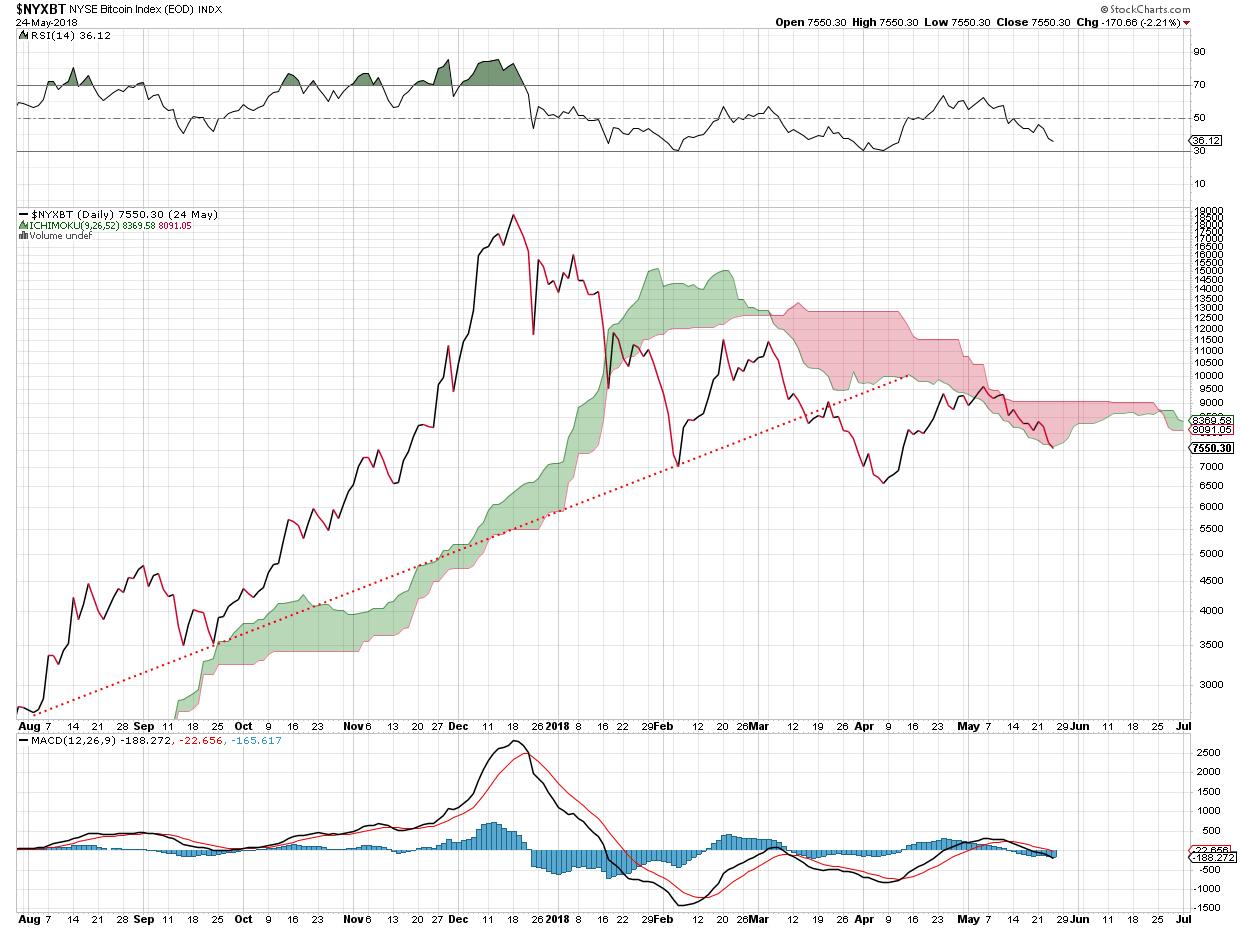
Bitcoin price usd market summary reveals a dynamic landscape shaped by ever-evolving trends and factors. As the flagship cryptocurrency continues to make headlines, understanding its price movements in relation to the USD is essential for both investors and enthusiasts alike.

Current trends showcase significant price fluctuations influenced by various economic events, investor sentiment, and regulatory developments. By delving into these aspects, we can better comprehend how Bitcoin’s value is determined and the implications for the broader cryptocurrency market.

Overview of Bitcoin Price Trends

The price of Bitcoin continues to capture the attention of investors and analysts alike, reflecting the dynamic nature of the cryptocurrency market. As of now, Bitcoin is trading around $30,000, showcasing significant volatility influenced by various market conditions. Historically, Bitcoin prices have seen remarkable fluctuations, making it essential to understand the underlying trends shaping its value.Bitcoin’s historical price data reveals its journey from being worth just a few cents in 2010 to reaching an all-time high of nearly $69,000 in November 2021.

This exponential growth has been a testament to its increasing acceptance and investment potential. However, the price has also experienced sharp corrections, emphasizing the risks involved in cryptocurrency investments.Several factors contribute to Bitcoin price fluctuations, including market demand, investor sentiment, and external economic indicators. Events such as regulatory announcements, technological advancements, and macroeconomic trends can lead to rapid changes in Bitcoin’s price, making it imperative for traders to stay informed.

Market Summary Analysis

Bitcoin’s market capitalization currently hovers around $580 billion, positioning it as the leading cryptocurrency by market cap. This value reflects the collective worth of all Bitcoins in circulation, showcasing its dominance in the digital asset space. Trading volume plays a crucial role, with daily transactions frequently exceeding $20 billion, indicating robust trading activity.In comparison to other cryptocurrencies, Bitcoin remains a frontrunner, significantly overshadowing competitors like Ethereum, which has a market cap of around $220 billion.

Bitcoin’s established reputation as the first cryptocurrency provides it with a unique advantage, but many altcoins are vying for attention with innovative features and use cases.Geographically, Bitcoin trading is most active in regions like North America, Europe, and parts of Asia. Countries such as the United States and Japan have established regulatory frameworks that encourage trading, contributing to high liquidity and market engagement.

Influential Factors on Bitcoin Price

Numerous economic events exert influence over Bitcoin’s price dynamics. For instance, macroeconomic indicators, such as inflation rates and interest rates, can shape investor behavior toward cryptocurrencies. In periods of economic uncertainty, investors often flock to Bitcoin as a hedge against inflation.Institutional investment has become a pivotal force in Bitcoin’s market trends. Major corporations and investment funds have begun allocating portions of their portfolios to Bitcoin, leading to increased legitimacy and stability.

This influx of capital often correlates with upward price movements, as large-scale purchases can drive demand.Regulatory news also plays a significant role in shaping Bitcoin prices. Announcements from governments regarding their stance on cryptocurrency can lead to market volatility. For example, when China imposed restrictions on cryptocurrency transactions, Bitcoin experienced a notable price decline, highlighting how regulatory frameworks can influence market sentiment.

Bitcoin Price Prediction Models

Several methods are employed for predicting Bitcoin prices, each with varying degrees of reliability. Technical analysis remains a popular approach, utilizing historical price patterns and trading volume data to forecast future movements. Tools like Moving Averages and Relative Strength Index (RSI) are commonly used to identify trends and potential reversal points.For example, the Moving Average Convergence Divergence (MACD) is a well-known tool that helps traders gauge momentum by comparing two moving averages.

Its effectiveness in identifying bullish or bearish trends can greatly assist investors in making informed decisions.While these technical tools offer valuable insights, their predictive power can fluctuate based on market conditions. Therefore, combining various forecasting models, including fundamental analysis and sentiment analysis, often yields a more comprehensive outlook on future price movements.

Impact of Market Sentiment on Bitcoin Price

Market sentiment, heavily influenced by social media trends, plays a crucial role in Bitcoin price fluctuations. Platforms like Twitter and Reddit have emerged as significant sources of information, where discussions and hype can quickly drive prices up or down. Memes and viral posts often lead to dramatic price movements, underscoring the power of collective sentiment in the cryptocurrency space.Investor sentiment can lead to price volatility, as fear and greed often dictate market behavior.

For instance, during market downturns, panic selling can escalate, causing prices to plummet. Conversely, positive news or endorsements from influential figures can spark buying frenzies, driving prices higher.To gauge market sentiment, traders often rely on tools that aggregate social media metrics and news sentiment analysis. Metrics like the Fear and Greed Index analyze various data points, providing insights into prevailing investor sentiment and its potential impact on Bitcoin’s price trajectory.

Case Studies of Price Movements

Several historical events have led to significant price changes in Bitcoin. The 2017 bull run, driven by increased media coverage and investor interest, saw Bitcoin surge from around $1,000 to nearly $20,000 within a year. This rapid rise was met with a subsequent crash, highlighting the market’s speculative nature.Another notable event occurred in March 2020, when Bitcoin’s price dropped to approximately $3,800 amid global market turmoil induced by the COVID-19 pandemic.

However, this downturn was followed by a robust recovery, with Bitcoin reaching new highs by the end of 2021. This recovery showcased Bitcoin’s resilience and the long-term bullish outlook of many investors.The long-term effects of major price events often shape investor behavior. For instance, the 2017 crash led to increased scrutiny and a more cautious approach among retail investors. Understanding these case studies is crucial for comprehending the interplay between market events and investor psychology in the cryptocurrency market.

Future Outlook for Bitcoin Price

Technological advancements may significantly impact Bitcoin’s future price dynamics. Innovations such as the Lightning Network aim to enhance transaction speeds and reduce fees, improving Bitcoin’s utility for everyday transactions. As these technologies develop, they could attract more users and drive demand, positively affecting Bitcoin’s price.Upcoming regulations are another critical factor that could shape Bitcoin’s future. As governments around the world continue to establish frameworks for cryptocurrency, the clarity provided could either bolster or hinder Bitcoin’s market adoption.

Positive regulatory developments may lead to increased institutional interest, driving prices higher.Based on historical data, market trends suggest a potential for Bitcoin to continue its upward trajectory in the long term. Analysts note that as adoption increases and the supply of new Bitcoins decreases due to halving events, the price could see substantial appreciation. However, ongoing volatility is expected, necessitating vigilant market monitoring by investors.

Conclusive Thoughts

In summary, the journey through Bitcoin price trends, market influences, and predictive models illustrates the complexity of this digital asset. As we look ahead, staying informed about these factors will be crucial for anyone looking to navigate the future of Bitcoin and its potential impact on the financial landscape.

Question & Answer Hub

What factors most influence Bitcoin’s price?

Key factors include market sentiment, economic events, institutional investments, and regulatory news.

How does Bitcoin’s market capitalization compare to other cryptocurrencies?

Bitcoin has the highest market capitalization among cryptocurrencies, often accounting for a significant percentage of the total crypto market.

What are common methods for predicting Bitcoin prices?

Common methods include technical analysis, historical data evaluation, and sentiment analysis from social media trends.

How does investor sentiment affect Bitcoin price volatility?

Positive or negative news can significantly sway investor sentiment, leading to rapid price changes and increased volatility.

What are some historical events that drastically affected Bitcoin’s price?

Major events include regulatory announcements, significant market crashes, and technological advancements that reshaped the market.

Dive into the world of cryptocurrency trading with Bybit, a leading platform for buying Bitcoin and other cryptocurrencies. This comprehensive guide walks you through downloading the Bybit app, registering, and navigating the process of purchasing Bitcoin. We’ll explore the platform’s features, security measures, and compare it with other exchanges, helping you make informed decisions.

Understanding the basics of Bitcoin, including its history, value, and security, is crucial. This guide also covers alternative methods for buying Bitcoin and common scams to avoid. Ultimately, your goal is to securely acquire and manage your crypto holdings.

Introduction to Bybit and Bitcoin

Bybit is a cryptocurrency exchange platform that offers a wide array of trading services, including spot trading, margin trading, and futures trading. It’s a popular choice for both experienced traders and newcomers seeking to engage in the cryptocurrency market. This platform facilitates buying and selling various cryptocurrencies, including Bitcoin.Bybit’s platform provides a comprehensive suite of tools and resources designed to empower users to make informed trading decisions.

It aims to cater to diverse needs, from those seeking to speculate on price fluctuations to those interested in long-term investments. However, as with any financial platform, there are inherent advantages and disadvantages to consider before engaging with Bybit.

Bybit’s Cryptocurrency Trading Features

Bybit’s platform is structured to cater to a broad range of trading needs. It provides advanced tools and features designed to streamline the buying and selling of cryptocurrencies, including Bitcoin. These features allow users to execute trades with speed and efficiency.

Advantages and Disadvantages of Using Bybit for Buying and Trading Bitcoin

Bybit offers several advantages for Bitcoin trading. Its robust platform and competitive fees make it attractive to many. However, like any platform, there are drawbacks to consider.

  • Advantages: Bybit’s user-friendly interface, low fees, and various trading options attract many users. The platform’s features empower users to manage risk effectively. The platform often provides educational resources and tools for users to learn about Bitcoin and cryptocurrency trading.
  • Disadvantages: Potential security risks exist with any online platform. User accounts must be secured to protect against unauthorized access. Also, regulatory scrutiny and potential market volatility are factors that can influence the platform’s performance and stability.

Different Ways to Buy Bitcoin on Bybit

Bybit facilitates Bitcoin purchases through a variety of methods. The specific options available may depend on the user’s location and the exchange’s policies.

  • Spot Trading: Directly buying and selling Bitcoin with fiat currency (like USD or EUR) is available through spot trading. This is a straightforward method for purchasing Bitcoin on the platform.
  • Margin Trading: This allows users to leverage borrowed funds to increase their Bitcoin holdings. While potentially higher returns are possible, there’s also the risk of significant losses.
  • Futures Trading: Bybit’s futures market allows users to speculate on Bitcoin’s future price movements. This can involve high risk but also potential higher rewards.

Common Misconceptions about Buying Bitcoin on Bybit

Several misconceptions surround buying Bitcoin on Bybit. Addressing these can lead to more informed decisions.

  • Misconception 1: Buying Bitcoin is always a guaranteed profit. The cryptocurrency market is inherently volatile. Price fluctuations can result in both significant gains and substantial losses. Past performance is not indicative of future results.
  • Misconception 2: Bybit is the only platform for Bitcoin trading. Other reputable cryptocurrency exchanges exist. Users should research different options to find the best fit for their needs and risk tolerance.
  • Misconception 3: Bitcoin is a risk-free investment. While Bitcoin has shown potential for substantial gains, it’s not without inherent risks. Understanding the market dynamics and potential risks is crucial.

Key Features of Bybit’s Bitcoin Trading Platform

The following table Artikels key features of Bybit’s platform for Bitcoin trading.

Feature Description Pros Cons
Spot Trading Direct exchange of fiat currency for Bitcoin. Simple and straightforward; typically lower risk compared to margin or futures. May not offer the same potential returns as other trading options.
Margin Trading Leveraged trading using borrowed funds. Higher potential returns; greater flexibility for larger positions. Significant risk of substantial losses if the market moves against the trader.
Futures Trading Speculating on Bitcoin’s future price. High potential returns if the market moves in the expected direction; leveraged trading. High risk of losses; requires a strong understanding of the market and trading strategies.
Low Fees Competitive fees on various trading activities. Potentially significant savings on trading costs. Fees may vary depending on the specific trading activity and volume.

Downloading the Bybit App

Getting started with Bybit often involves downloading and using their mobile application. This is a convenient method for accessing the platform’s features and functionalities on the go. This section details the steps for downloading the Bybit app on various devices.

Downloading the Bybit App on Android

Downloading the Bybit app on Android devices is a straightforward process. Open the Google Play Store, search for “Bybit,” and select the official app. Tap the “Install” button to begin the download. Once downloaded, follow the on-screen instructions to complete the installation.

Downloading the Bybit App on iOS

Downloading the Bybit app on iOS devices is equally simple. Open the App Store, search for “Bybit,” and select the official app. Tap the “Get” button to initiate the download. Follow the on-screen instructions to complete the installation.

Comparing the Mobile App and Web Platform

The Bybit mobile app provides a streamlined experience for accessing key features, including trading, account management, and news. It allows users to manage their accounts and execute trades conveniently from their mobile devices. The web platform offers similar functionalities but might require a larger screen for a comprehensive view. The mobile app is designed for quick access, while the web platform might offer more detailed options and potentially more technical information.

Security Features of the Bybit App

Bybit prioritizes the security of its users’ data and assets. The app utilizes industry-standard encryption methods to protect sensitive information during transmission and storage. Two-factor authentication (2FA) is highly recommended for added security. Strong passwords and vigilance against phishing attempts are crucial.

Bybit App Compatibility

The table below details the compatibility of the Bybit app with various devices. It lists supported operating systems and highlights any compatibility notes.

Device Type Operating System Supported Features Compatibility Notes
Smartphones Android Trading, account management, news, deposits, withdrawals Requires a compatible Android version. Check app store for latest version compatibility.
Smartphones iOS Trading, account management, news, deposits, withdrawals Requires a compatible iOS version. Check app store for latest version compatibility.
Tablets Android Trading, account management, news, deposits, withdrawals Performance may vary depending on the tablet’s specifications.
Tablets iOS Trading, account management, news, deposits, withdrawals Performance may vary depending on the tablet’s specifications.

Buying Bitcoin on Bybit

Buying Bitcoin on Bybit is a straightforward process once you’ve navigated the initial steps of registration and account verification. This section details the procedures for purchasing Bitcoin on the platform, outlining the available payment methods, fees, and order types.The process for buying Bitcoin on Bybit is designed to be user-friendly and secure. Bybit prioritizes security measures throughout the transaction process to protect user funds.

Registration Process for Buying Bitcoin

The registration process on Bybit is similar to other online platforms. Users are required to provide personal information and create a strong password. Bybit uses this information to verify your identity and protect your account from unauthorized access.

Verifying Your Bybit Account

Account verification is a crucial step to ensure user legitimacy and comply with regulations. Bybit verifies user identities to prevent fraudulent activities and protect the platform’s integrity. This verification process helps maintain a secure trading environment. Bybit utilizes a multi-step verification process that often involves submitting supporting documents for identity confirmation. This typically includes documents like government-issued IDs and proof of address.

Payment Methods for Bitcoin Purchases

Bybit supports a variety of payment methods for Bitcoin purchases, enabling users to choose the method most convenient for them. These methods often include bank transfers, credit/debit cards, and various cryptocurrency options. This flexibility caters to diverse user preferences and financial situations.

  • Bank transfers are a popular option for large transactions, often providing faster processing and lower fees compared to other methods.
  • Credit/debit cards provide an accessible way to purchase cryptocurrencies for many users. However, fees associated with card transactions can vary based on the issuing bank and card type.
  • Various cryptocurrency options allow users to utilize existing cryptocurrency holdings to purchase Bitcoin on Bybit. This often facilitates seamless transactions for users with crypto holdings.

Bybit’s Bitcoin Purchase Fees

Bybit’s fees for Bitcoin purchases are generally competitive, although they can vary depending on the chosen payment method and trading volume. Fees for transactions using specific payment methods may have different rates.

Payment Method Typical Fee Structure
Bank Transfers Usually lower fees compared to credit/debit cards
Credit/Debit Cards Higher fees compared to bank transfers; fees often depend on the card provider
Cryptocurrency Transfers Fees are often minimal, if any

Comparing Bybit’s fees to other exchanges requires examining specific transaction details, such as the exact volume traded, payment method used, and any applicable discounts.

Order Types for Bitcoin Purchases

Bybit offers various order types to accommodate diverse trading strategies. Different order types cater to various needs and market conditions.

  • Market orders execute trades immediately at the current market price. These are suitable for users who want to buy Bitcoin quickly without considering potential price fluctuations.
  • Limit orders allow users to specify a desired price for the Bitcoin purchase. These orders are useful when a user wants to buy Bitcoin at a specific price or better. If the market price doesn’t reach the limit, the order won’t be executed.
  • Stop-limit orders combine elements of both market and limit orders. These orders are triggered when the market price reaches a specified level (stop price) and then execute at a specified limit price.

Understanding Bitcoin Fundamentals

Bitcoin, a decentralized digital currency, operates on a unique system that differs significantly from traditional fiat currencies. Its value and security rely on complex cryptographic principles and a distributed ledger technology known as blockchain. This section delves into the core concepts underpinning Bitcoin’s functionality, history, and security.Bitcoin’s fundamental nature rests on its cryptographic design, which ensures transparency and security without a central authority.

This decentralized system, built on the blockchain, allows for secure and verifiable transactions between users without intermediaries.

Bitcoin’s Underlying Technology

Bitcoin’s core is the blockchain, a shared, immutable ledger of all transactions. Each block in the chain contains a set of transactions and is cryptographically linked to the previous block. This linkage creates a secure and transparent record of all Bitcoin activity. Crucially, this system is resistant to alteration, making Bitcoin transactions verifiable and tamper-proof.

History and Evolution of Bitcoin

Bitcoin emerged in 2009, introduced by an enigmatic figure or group known as Satoshi Nakamoto. The initial release marked a paradigm shift in digital finance, demonstrating the potential for decentralized, peer-to-peer transactions. Since then, Bitcoin has undergone significant evolution, with the development of various related technologies and applications, such as Bitcoin mining and wallets. The continuous innovation and adoption of Bitcoin reflect its ongoing adaptation to the evolving digital landscape.

Security Aspects of Bitcoin Transactions

Bitcoin transactions utilize cryptography to ensure security. Digital signatures, based on cryptographic hashing and asymmetric key pairs, are fundamental to verifying the authenticity and integrity of each transaction. This process significantly mitigates the risk of fraud and ensures that only authorized users can access and spend Bitcoin. The distributed nature of the blockchain further enhances security by distributing the ledger across numerous computers, making it exceptionally difficult to tamper with.

Determination of Bitcoin’s Value

Bitcoin’s value, like any other asset, is influenced by supply and demand. Market forces, including investor sentiment, adoption rates, and regulatory developments, play a crucial role in price fluctuations. Speculation and investment strategies further contribute to the dynamic price action. However, the fundamental value of Bitcoin is often debated, with proponents arguing that its scarcity and decentralized nature provide intrinsic value.

Bitcoin Wallets

Bitcoin wallets are essential tools for storing and managing Bitcoin. They act as digital repositories for private keys, which are essential for accessing and controlling Bitcoin. Different types of wallets exist, including software wallets, hardware wallets, and online wallets. Each type has its own security considerations and user experience. The choice of wallet depends on individual needs and risk tolerance.

  • Software Wallets: Software wallets are installed on personal computers or mobile devices. They offer flexibility but require careful management of security measures to prevent loss or theft of private keys. Examples include Electrum and Exodus.
  • Hardware Wallets: Hardware wallets are physical devices designed specifically for secure Bitcoin storage. They are considered more secure than software wallets because they provide an extra layer of protection against online threats and malware. Examples include Ledger Nano and Trezor.
  • Online Wallets: Online wallets are hosted by third-party providers. While convenient, they carry security risks if the provider is compromised or experiences a breach. Carefully research and select reputable providers to mitigate these risks.

General Information about Buying Bitcoin

Acquiring Bitcoin extends beyond centralized platforms like Bybit. Understanding alternative avenues, associated risks, and current market trends is crucial for informed decision-making. This section explores various methods for purchasing Bitcoin outside of Bybit, along with essential considerations for a safe and profitable investment.Bitcoin’s price volatility is a significant factor in its investment landscape. While potential rewards are high, so are the risks of substantial losses.

This necessitates a thorough understanding of market dynamics and individual risk tolerance before entering the market.

Alternative Bitcoin Purchase Methods

Several avenues exist for buying Bitcoin outside of Bybit, each with its own set of advantages and disadvantages. Understanding these alternatives is essential for diversifying investment strategies and navigating the crypto landscape.

  • Crypto Exchanges: Platforms like Coinbase, Kraken, and Binance offer diverse trading options and often lower fees compared to traditional financial institutions. However, they may have stricter verification procedures and potential limitations on transaction volume.
  • Peer-to-Peer (P2P) Trading: This method connects buyers and sellers directly, often enabling faster transactions and potentially lower fees. However, it necessitates thorough due diligence to avoid scams and ensure secure transactions.
  • Over-the-Counter (OTC) Brokers: These brokers provide bespoke services for large-scale Bitcoin purchases. While tailored to high-volume transactions, they often have higher fees and stricter verification processes.
  • Bitcoin ATMs: These automated teller machines allow for direct Bitcoin purchases using cash. They are readily accessible but may charge higher fees and have limitations on transaction amounts.

Benefits and Drawbacks of Each Method

Each Bitcoin acquisition method possesses unique characteristics. Evaluating these attributes helps tailor the investment strategy to personal preferences and risk tolerance.

Method Benefits Drawbacks
Crypto Exchanges Wide selection of cryptocurrencies, diverse trading options, potentially lower fees Stricter verification procedures, potentially limited transaction volume, dependence on the exchange’s security
P2P Trading Potentially faster transactions, lower fees, direct interaction with sellers Higher risk of scams, requires careful verification of seller credentials, responsibility for transaction security
OTC Brokers Tailored services for high-volume transactions, potentially lower fees for larger amounts Higher fees compared to exchanges for smaller transactions, stricter verification procedures
Bitcoin ATMs Accessibility, direct cash transactions Higher fees, limited transaction amounts, potential for security risks in some locations

Bitcoin’s Current Market Trends

Bitcoin’s price is influenced by numerous factors, including regulatory developments, market sentiment, and technological advancements. Recent trends suggest a mix of bullish and bearish indicators.

  • Volatility: Bitcoin’s price is known for its substantial volatility. This characteristic poses both significant risk and potential reward.
  • Adoption: Growing adoption by institutional investors and mainstream businesses could drive price increases.
  • Regulation: Government regulations regarding cryptocurrencies can impact the market’s stability and future.

Common Bitcoin Purchase Scams and Risks

Scams and risks are prevalent in the cryptocurrency market. Understanding these common pitfalls is essential to avoid losses.

  • Phishing Scams: These scams use deceptive tactics to extract personal information and credentials. Awareness of these methods is crucial.
  • Fake Exchanges: Fraudulent platforms posing as legitimate exchanges can steal funds. Thorough research and verification of exchanges are critical.
  • Pump-and-Dump Schemes: These schemes manipulate prices to artificially inflate value before selling at a higher price. Analyzing market trends and verifying information are essential.
  • Security Breaches: Crypto wallets and exchanges are vulnerable to hacking. Implementing strong security measures and regularly monitoring accounts is necessary.

Strategies for Investing in Bitcoin

Several strategies exist for investing in Bitcoin. Choosing the right strategy depends on individual risk tolerance and investment goals.

  • Long-Term Holding: Investing with a long-term perspective can help mitigate price fluctuations. Researching the underlying technology and potential applications is crucial.
  • Day Trading: This strategy involves buying and selling Bitcoin within a single day, leveraging short-term price movements. This necessitates a high level of market analysis and understanding.
  • Dollar-Cost Averaging: This strategy involves investing a fixed amount of money at regular intervals, regardless of price fluctuations. This helps to reduce the impact of price volatility.

Bybit and Bitcoin Security

Bybit prioritizes the security of its users’ accounts and assets, employing a multi-layered approach to protect against various threats. Understanding these measures is crucial for safe trading and managing your Bitcoin holdings on the platform. This section details Bybit’s security protocols, highlighting the importance of strong passwords, two-factor authentication, and vigilance against scams.

Bybit’s Security Measures

Bybit implements robust security measures to protect user accounts and funds. These measures are constantly updated and improved to stay ahead of emerging threats. Their security infrastructure includes advanced encryption, regular security audits, and a dedicated security team monitoring potential vulnerabilities. This proactive approach helps to maintain a secure environment for all users.

Importance of Strong Passwords and Two-Factor Authentication

Strong passwords and two-factor authentication (2FA) are essential for safeguarding your Bybit account. Weak passwords are easily compromised, exposing your account to unauthorized access. Use a unique and complex password that combines uppercase and lowercase letters, numbers, and symbols. Employ 2FA whenever possible, adding an extra layer of security by requiring a code from your authenticator app or phone.

Spotting and Avoiding Phishing Scams

Phishing scams are a common threat in the cryptocurrency market. Be wary of suspicious emails, messages, or websites claiming to be from Bybit or other legitimate platforms. Never click on links in unsolicited messages and be cautious of requests for personal information, such as login credentials or private keys. Verify the legitimacy of any communication or request directly with Bybit’s official channels.

Account Recovery Procedures

If your Bybit account is compromised, prompt action is vital. Bybit provides clear procedures for account recovery, including contacting their support team immediately. Maintaining detailed records of account information and adhering to the recovery guidelines Artikeld on the platform can significantly improve the likelihood of a successful recovery. Follow the platform’s support channels and instructions closely to navigate the recovery process effectively.

Backing Up Your Bitcoin Wallet

Backing up your Bitcoin wallet is critical for safeguarding your Bitcoin holdings. Losing access to your wallet due to device loss or software failure can result in irreversible loss of your funds. Employing robust backup methods, such as storing your seed phrase securely in multiple locations, is a best practice. Consider using a reputable hardware wallet for enhanced security.

Comparing Bybit with Other Exchanges

Choosing the right cryptocurrency exchange can significantly impact your trading experience. Understanding how Bybit stacks up against other prominent platforms is crucial for making an informed decision. This comparison will highlight key features, fees, and security aspects, helping you assess which exchange best suits your needs.

Platform Comparison

Bybit’s platform is designed with a focus on advanced trading tools and a clean, intuitive interface. It aims to provide a seamless experience for both novice and experienced traders. Other exchanges, like Coinbase or Kraken, often prioritize user-friendliness and simplicity over the extensive range of features available on Bybit. Binance, a global leader, boasts a robust platform, but its vastness can sometimes feel overwhelming to beginners.

The choice of platform often comes down to the trader’s comfort level and the specific trading strategies employed.

Key Features

Bybit distinguishes itself through a comprehensive suite of features designed for active traders. These include advanced charting tools, margin trading, and a wide range of cryptocurrencies and trading pairs. Other exchanges might excel in certain areas, such as a broader selection of altcoins or faster transaction speeds. The availability of specific trading tools and the range of supported cryptocurrencies are essential factors to consider.

Fees and Trading Costs

Trading fees play a critical role in long-term profitability. Bybit’s fee structure is competitive, often incorporating tiered fee schedules based on trading volume. Other exchanges might employ different fee models, including maker/taker fees or fixed percentage fees. Understanding the exchange’s fee structure is essential for calculating the true cost of your trades.

Security Measures

Security is paramount in the cryptocurrency world. Bybit employs robust security protocols, including multi-factor authentication and cold storage, to protect user funds. Other exchanges also invest heavily in security, employing similar measures to safeguard user assets. However, the specific implementation and effectiveness of these measures can vary between platforms. A thorough assessment of security protocols is crucial when selecting an exchange.

Comparative Analysis Table

Exchange Key Features Fees Security
Bybit Advanced charting, margin trading, wide range of cryptocurrencies, competitive fees Tiered fee schedule, competitive Multi-factor authentication, cold storage
Coinbase User-friendly interface, beginner-friendly, broad selection of cryptocurrencies Fixed percentage fees, potentially higher for high-volume traders Robust security measures, regulated
Binance Vast selection of cryptocurrencies, high trading volume, advanced trading tools Maker/taker fees, competitive Multi-factor authentication, strong security infrastructure
Kraken Strong focus on security, advanced order types, wide range of cryptocurrencies Maker/taker fees, competitive Multi-factor authentication, cold storage, robust security measures

FAQ – Buying Bitcoin on Bybit

Navigating the world of cryptocurrency exchanges can be daunting, especially when it comes to purchasing Bitcoin. This FAQ section addresses common questions about buying Bitcoin on Bybit, providing clear and concise answers to help you confidently make your transactions. By understanding the process and potential challenges, you can optimize your Bitcoin acquisition strategy on Bybit.This comprehensive FAQ will clarify key aspects of the Bitcoin purchasing process on Bybit, from account setup to transaction confirmations.

It will cover crucial details, including minimum purchase amounts, payment methods, and security protocols.

Minimum and Maximum Bitcoin Purchase Amounts

Bybit, like many cryptocurrency exchanges, has specific limits on the amount of Bitcoin that can be purchased in a single transaction. These limits are designed to ensure a secure and controlled trading environment. Understanding these limits is essential to avoid any potential issues during your purchase. Exceeding these limits may require splitting the transaction into multiple purchases.

Available Payment Methods

Bybit supports a variety of payment methods for purchasing Bitcoin. These methods often include bank transfers, credit/debit cards, and various e-wallets. The availability of specific payment methods may vary depending on your location and Bybit’s current policies.

Bitcoin Purchase Verification Process

To ensure compliance and mitigate risks, Bybit may require verification procedures for Bitcoin purchases. These procedures may include identity verification and other checks to confirm the legitimacy of the transaction. The verification process varies depending on the specific payment method used.

Transaction Confirmation Times

Transaction confirmation times on Bybit can vary, depending on network congestion and the chosen payment method. The time it takes to confirm a Bitcoin purchase can be influenced by several factors. Always allow sufficient time for confirmation before assuming the transaction is complete. A delay in confirmation may result from factors like network latency or payment processing times.

Bitcoin Purchase Fees

Fees associated with Bitcoin purchases on Bybit can include transaction fees, network fees, and potentially platform-specific fees. These fees are often variable and are subject to change based on market conditions and exchange policies. It is important to review the applicable fees before initiating a transaction.

Security Measures for Bitcoin Purchases

Bybit employs robust security measures to protect user accounts and transactions. These measures include multi-factor authentication, advanced encryption, and regular security audits. These measures are essential for protecting your funds from unauthorized access and fraudulent activities. Always adhere to Bybit’s security guidelines.

Comparison with Other Exchanges

While Bybit offers a user-friendly platform for Bitcoin purchases, comparing it with other exchanges is crucial for informed decision-making. Consider factors like fees, transaction speeds, and available payment methods when choosing an exchange. Compare Bybit with other exchanges to determine the most suitable option for your needs.

FAQ Table: Bitcoin Purchases on Bybit

Question Answer
What is the minimum amount I can buy Bitcoin for on Bybit? Bybit’s minimum Bitcoin purchase amount may vary depending on the chosen payment method and current exchange policies. Check the Bybit website for the most up-to-date information.
Can I use my credit card to buy Bitcoin on Bybit? Bybit may accept credit cards as a payment method for Bitcoin purchases, but this may depend on your location and Bybit’s current policies. Consult Bybit’s support channels for confirmation.
How long does it typically take to confirm a Bitcoin purchase on Bybit? Bitcoin purchase confirmation times on Bybit can vary. Factors like network congestion and the payment method used can affect the time it takes for confirmation. Always allow sufficient time for confirmation.
What are the fees associated with buying Bitcoin on Bybit? Fees for buying Bitcoin on Bybit may include transaction fees, network fees, and platform-specific fees. These fees can vary based on several factors and are subject to change. Review the applicable fees before initiating a transaction.
What security measures does Bybit implement to protect my Bitcoin purchases? Bybit employs robust security measures, including multi-factor authentication, encryption, and regular security audits, to protect user accounts and transactions.

Summary

This guide has provided a thorough overview of Bybit, its Bitcoin purchase process, and the fundamentals of crypto trading. From downloading the app to understanding Bitcoin’s value, you now have the knowledge to confidently begin your cryptocurrency journey. Remember to prioritize security and research different options before making any investment decisions.

Q&A

What are the different payment methods supported by Bybit for purchasing Bitcoin?

Bybit supports various payment methods, including bank transfers, credit/debit cards, and various e-wallets. The specific options may vary depending on your location.

How does Bybit compare to other cryptocurrency exchanges in terms of fees?

Bybit’s fees are competitive but can vary depending on the trading volume and type of order. It’s advisable to compare fees with other exchanges to find the best option for your trading needs.

What are some common misconceptions about buying Bitcoin on Bybit?

Some common misconceptions include the idea that Bitcoin is a guaranteed investment or that Bybit is risk-free. It’s essential to do your research and understand the risks involved before investing in cryptocurrencies.

What security measures does Bybit employ to protect user accounts?

Bybit utilizes strong encryption, two-factor authentication, and other security measures to protect user accounts from unauthorized access. Users are also encouraged to maintain strong passwords and regularly update security settings.

Kicking off with bitcoin price chart history, this topic dives deep into the fluctuations and milestones that have shaped the world’s first cryptocurrency. From its humble beginnings to its current status, understanding the trajectory of Bitcoin’s price can illuminate not only its past but also its future potential in the ever-evolving digital economy.

The journey of Bitcoin’s price is marked by significant events that influenced market sentiment, regulatory responses, and technological advancements. By exploring key trends and conducting a comparative analysis with other cryptocurrencies, we can gain valuable insights into the dynamics that drive Bitcoin’s value over time.

Historical Overview of Bitcoin Prices

Bitcoin, launched in 2009 by an anonymous entity known as Satoshi Nakamoto, has undergone substantial price fluctuations since its inception. From its humble beginnings with no established market value to becoming a legitimate asset class, Bitcoin’s price history is marked by extraordinary growth, dramatic declines, and significant milestones that have shaped its current standing in the financial world. Understanding these price movements provides insight into the broader cryptocurrency market and the factors influencing Bitcoin’s value.Numerous events have contributed to Bitcoin’s price volatility over the years.

Initially, the cryptocurrency’s price was largely influenced by its novelty and speculation. As the market matured, factors such as regulatory developments, technological advancements, and macroeconomic trends began to play a more prominent role.

Major Milestones in Bitcoin’s Price History

The price of Bitcoin has witnessed several key milestones that have not only shaped its trajectory but also influenced investor sentiment and market dynamics. Here are some of the noteworthy events:

  • 2010: First Recorded Price
    -Bitcoin was first assigned a monetary value when it was traded for $0.0008, marking the beginning of its price journey.
  • 2013: First Major Rally
    -Bitcoin’s price surged to over $1,000 for the first time, fueled by increased media attention and a growing user base.
  • 2014: Mt. Gox Collapse
    -The collapse of Mt. Gox, one of the largest Bitcoin exchanges at the time, resulted in a significant drop in Bitcoin’s price, falling to around $400.
  • 2017: All-Time High
    -Bitcoin reached an all-time high of nearly $20,000, driven by institutional interest and speculative trading.
  • 2020: Institutional Adoption
    -Significant purchases by institutional investors, including MicroStrategy and Tesla, spurred another price rally, pushing Bitcoin above $40,000.
  • 2021: Parabolic Growth
    -Bitcoin soared to over $60,000, propelled by the surge in decentralized finance (DeFi) and increased mainstream acceptance.
  • 2022: Market Correction
    -Following the peak, Bitcoin experienced a significant correction, with its price dipping below $20,000 due to macroeconomic factors and tightening monetary policy.

Factors Influencing Price Fluctuations

A multitude of factors has played a crucial role in Bitcoin’s price movements throughout its history. Understanding these influences can provide clarity on how and why Bitcoin’s price changes.

  • Market Sentiment
    -Investor sentiment, driven by news and social media trends, often leads to rapid price changes. Positive news can lead to buying frenzies, while negative news can trigger sell-offs.
  • Regulatory Developments
    -Announcements from governments regarding regulations can significantly impact Bitcoin’s value. For example, favorable regulations can boost prices, whereas strict regulations can lead to declines.
  • Technological Advancements
    -Upgrades to the Bitcoin network, such as the implementation of the Lightning Network, can enhance functionality and drive prices higher.
  • Market Manipulation
    -The relatively low liquidity of the cryptocurrency market makes it susceptible to manipulation, with ‘whales’ (large holders) often influencing prices.
  • Adoption Rate
    -Increased adoption by companies and institutional investors often correlates with price increases, as demand for Bitcoin grows.

Timeline of Significant Events Impacting Bitcoin’s Price

A chronological perspective on Bitcoin’s price history reveals critical events that have shaped its market behavior.

Year Event Price Impact
2010 First Bitcoin transaction recorded Price starts at $0.0008
2013 Bitcoin surpasses $1,000 Increased media coverage leads to a surge
2014 Collapse of Mt. Gox Price drops to around $400
2017 Bitcoin reaches $20,000 Speculative trading peaks
2020 Institutional investments begin Price rises above $40,000
2021 Record high of $60,000 Increased mainstream acceptance
2022 Market correction Price falls below $20,000

“Bitcoin’s price is not just a reflection of its supply and demand, but also a mirror of the broader public sentiment and regulatory environment.”

Key Price Trends in Bitcoin

Bitcoin, since its inception in 2009, has been marked by volatility, making it a fascinating asset for both investors and analysts. Over the years, cryptocurrency enthusiasts and financial experts have scrutinized its price movements, identifying key trends that reveal the behavior of this digital currency in response to various market dynamics and global economic conditions.One of the most significant trends in Bitcoin’s price history is its propensity for extreme price fluctuations.

These movements can largely be categorized into bull and bear markets, which are driven by factors such as market sentiment, regulatory developments, technological advances, and macroeconomic events.

Overview of Bull and Bear Markets in Bitcoin’s History

Bull and bear markets represent the cyclical nature of Bitcoin’s price movements. A bull market is characterized by rising prices and optimistic investor sentiment, while a bear market is marked by declining prices and pessimism.Key phases of Bitcoin’s bull and bear markets include:

  • 2011 Bull Run: Bitcoin surged from around $1 to over $30, fueled by increasing media attention and growing interest among early adopters.
  • 2013 Bull Market: A significant rise saw Bitcoin’s price escalate from approximately $13 to a peak of $1,150, driven by demand from China and speculation.
  • 2014 Bear Market: Following the 2013 peak, Bitcoin faced a sharp decline, dropping to around $200 due to the Mt. Gox exchange hack and regulatory concerns.
  • 2017 Bull Market: Bitcoin experienced unprecedented growth, reaching nearly $20,000, largely attributed to mainstream adoption and speculative trading.
  • 2018 Bear Market: The aftermath of the 2017 boom led to a significant downturn, with prices falling to about $3,000, reflecting market corrections and investor caution.
  • 2020-2021 Bull Market: Bitcoin’s price soared again, reaching an all-time high of around $64,000, fueled by institutional investment, the rise of decentralized finance, and increased public interest.
  • 2022 Bear Market: Bitcoin’s price fell sharply to around $20,000 amidst macroeconomic challenges, including rising inflation and interest rate hikes.

Bitcoin Price Changes During Economic Events

Understanding Bitcoin’s price changes in the context of significant economic events provides insights into its volatility and market reactions. The table below summarizes notable economic events and their corresponding effects on Bitcoin prices.

Economic Event Date Bitcoin Price Change
Launch of Bitcoin January 2009 Valueless to $0.08
Silk Road Shutdown October 2013 $130 to $400
First Regulated Bitcoin ETF Proposal 2017 $1,000 to $20,000
COVID-19 Pandemic Decline March 2020 $9,100 to $4,300
Institutional Adoption Rise Late 2020 $10,000 to $64,000
US Inflation Rate Surge 2021 High volatility, hitting $69,000
Interest Rate Increases 2022 $60,000 to $20,000

The table illustrates how Bitcoin’s price is often reactive to broader economic events, highlighting its role as both a speculative asset and a potential safe haven in times of uncertainty.

Comparison with Other Cryptocurrencies

Bitcoin, as the first and most recognized cryptocurrency, sets the stage for comparison with other altcoins. Its price history highlights not only its growth and potential but also its volatility compared to other cryptocurrencies. Understanding these differences can provide insight into the crypto market’s overall dynamics and investor sentiment.In recent years, several other cryptocurrencies, such as Ethereum (ETH), Ripple (XRP), and Litecoin (LTC), have emerged as significant players in the market.

Analyzing their price movements alongside Bitcoin enables a clearer picture of how Bitcoin’s volatility influences and contrasts with these altcoins.

Price Performance of Leading Cryptocurrencies

The following table illustrates the historical price performance of Bitcoin compared to other prominent cryptocurrencies over the past few years. The data reflects their respective price movements, showcasing the trends and fluctuations that characterize each asset.

Cryptocurrency 2018 Price (USD) 2020 Price (USD) 2022 Price (USD) 2023 Price (USD)
Bitcoin (BTC) $3,800 $7,200 $19,600 $27,000
Ethereum (ETH) $130 $130 $1,400 $1,900
Ripple (XRP) $0.38 $0.20 $0.35 $0.50
Litecoin (LTC) $30 $50 $100 $85

The volatility of Bitcoin is pronounced, especially when compared to altcoins. While Bitcoin’s price swings can be dramatic, as seen in its rapid rise and fall, many altcoins tend to exhibit more tempered price movements. This can be attributed to several factors including market capitalization, investor interest, and overall adoption rates. Bitcoin, often viewed as a digital gold, attracts a wider range of investors, making its price more susceptible to significant fluctuations driven by market sentiment.

Bitcoin’s price volatility often overshadows the more stable price movements seen in many altcoins, reflecting its role as a market leader.

The historical performance of these cryptocurrencies highlights the relative risk and opportunity present within the market. Investors often look to altcoins to diversify their portfolios, seeking potential gains that may come from the innovations and developments within these digital assets.

Technical Analysis of Bitcoin Price Charts

Understanding technical analysis in the context of Bitcoin is crucial for investors and traders looking to make informed decisions. It involves evaluating price movements and patterns through various indicators and charting tools, allowing market participants to forecast future price actions and trends.Technical analysis relies heavily on key indicators that help assess market sentiment and potential price movements. Some of the most common indicators used in Bitcoin price analysis include:

Key Technical Indicators

Technical indicators serve as essential tools for traders to gauge market behavior and identify trends. The following are widely utilized in Bitcoin price analysis:

  • Moving Averages (MA): These indicators smooth out price data by creating a constantly updated average price. The two most common types are the Simple Moving Average (SMA) and the Exponential Moving Average (EMA), with the latter giving more weight to recent prices.
  • Relative Strength Index (RSI): The RSI measures the speed and change of price movements, indicating overbought or oversold conditions. Values range from 0 to 100, with levels above 70 suggesting overbought conditions and below 30 indicating oversold.
  • Bollinger Bands: Comprising a middle band (SMA) and two outer bands representing standard deviations, Bollinger Bands help identify volatility and price levels relative to recent trends.
  • MACD (Moving Average Convergence Divergence): This indicator shows the relationship between two moving averages of a security’s price. The MACD line crossing above the signal line can indicate a bullish trend, while crossing below can indicate a bearish trend.
  • Volume: Analyzing trading volume helps assess the strength of a price movement. High volume during a price increase can signify strong buyer interest, while low volume can indicate a lack of conviction.

Interpreting Bitcoin price charts involves understanding these indicators and their implications for future price movements. Here are some essential tips for effective chart reading:

Reading and Interpreting Bitcoin Price Charts

When analyzing Bitcoin price charts, it is vital to focus on various elements that can provide insights into market dynamics.

  • Recognize the timeframe: Different timeframes can show distinct trends, so it’s essential to choose the appropriate chart period based on trading objectives.
  • Identify trends: Look for upward (bullish), downward (bearish), or sideways (range-bound) trends to inform trading strategies.
  • Use support and resistance levels: Support levels indicate where buying interest may emerge, while resistance levels represent selling pressure. Identifying these can help in making entry and exit decisions.
  • Check candlestick patterns: Candlestick charts provide valuable information regarding price movements. Common patterns include doji, hammer, and engulfing patterns, each conveying different market sentiment.
  • Monitor market sentiment: Analyze news and social media trends that influence Bitcoin’s price, as external factors can significantly impact trading behavior.

Several common patterns emerge in Bitcoin price movements that traders often look for:

Common Patterns in Bitcoin Price Movements

Identifying patterns can enhance predictive capabilities regarding future price actions. Here are some typical patterns observed in Bitcoin price movements:

  • Head and Shoulders: This reversal pattern can signal a change in trend direction, typically indicating a bearish trend after an uptrend.
  • Double Top and Bottom: These patterns indicate potential reversals, with a double top suggesting a bearish reversal and a double bottom indicating a bullish reversal.
  • Flags and Pennants: These continuation patterns suggest brief consolidations before the previous trend resumes. Flags are rectangular-shaped, while pennants are triangular.
  • Triangles: Symmetrical, ascending, and descending triangles can indicate potential breakouts or breakdowns depending on the direction of the price movement.
  • Cup and Handle: This bullish continuation pattern suggests a period of consolidation followed by a breakout to the upside.

By understanding these patterns and indicators, traders can gain deeper insights into Bitcoin’s price behavior and make more informed trading decisions.

Future Price Predictions Based on Historical Data

Historical price trends of Bitcoin have often provided valuable insights that can inform future price projections. As investors and analysts examine the past performance of Bitcoin, they seek to identify patterns, cycles, and correlations that can aid in predicting future movements. Understanding how historical data influences future price expectations has become essential for making informed investment decisions in the volatile cryptocurrency market.Forecasting Bitcoin prices based on historical data involves various methodologies that leverage past performance to generate potential future outcomes.

Analysts utilize statistical models, technical analysis, and machine learning techniques to analyze trends and make predictions. By applying these methodologies, they can provide a range of potential future prices for Bitcoin, reflecting varying market conditions and sentiment.

Methodologies for Forecasting Bitcoin Prices

Several methodologies are commonly used to forecast Bitcoin prices based on historical data. Each method has its own strengths and limitations, and they often rely on different aspects of past performance.

  • Statistical Analysis: Analysts frequently use time-series analysis to identify trends and seasonal patterns in Bitcoin prices. Techniques such as autoregressive integrated moving average (ARIMA) models can help forecast future prices based on historical data points.
  • Technical Analysis: Many traders utilize chart patterns, trend lines, and indicators like moving averages and Relative Strength Index (RSI) to analyze past price movements and predict future trends. This method emphasizes visual data representation and market psychology.
  • Machine Learning Models: Advanced algorithms trained on historical Bitcoin price data can generate predictions by recognizing complex patterns that traditional methods might overlook. Techniques such as regression analysis and neural networks are commonly employed in these forecasting models.
  • Sentiment Analysis: Social media sentiment and news articles can influence Bitcoin prices. By analyzing public sentiment and media coverage, predictive models can gauge potential price movements based on prevailing market emotions.

Predictive Models for Bitcoin Prices

The following table summarizes different predictive models utilized for forecasting Bitcoin prices, showcasing their methodologies and application contexts:

Model Type Methodology Application Context Strengths Limitations
ARIMA Time-series analysis Short to medium-term forecasts Captures trends and seasonality Assumes linear relationships
Technical Analysis Chart patterns and indicators Day trading and swing trading Focuses on market psychology Subjective interpretation
Machine Learning Complex algorithmic models Long-term predictions Can identify nonlinear patterns Requires large datasets
Sentiment Analysis Social media and news analysis Market sentiment evaluation Considers emotional market factors Subject to rapid changes

Utilizing a combination of these methodologies can enhance the accuracy of Bitcoin price predictions, as each model offers unique insights into market behavior.

Impact of Market Sentiment on Bitcoin Prices

Market sentiment plays a crucial role in determining the price dynamics of Bitcoin. As a decentralized digital currency, Bitcoin’s value often fluctuates based on collective perceptions and emotional responses from traders and investors. Understanding how market sentiment has influenced Bitcoin prices historically provides insight into its volatility and price movements.Key events and shifts in market sentiment often correlate directly with significant changes in Bitcoin’s price trajectory.

Market sentiment can swing from extreme optimism to skepticism, profoundly impacting trading behavior and price levels. Below are some pivotal events that highlight how sentiment has shifted and influenced Bitcoin prices.

Key Events Influencing Market Sentiment

The following events illustrate the correlation between market sentiment and Bitcoin price movements. Each instance showcases how news, social media buzz, and broader economic contexts have acted as catalysts for price changes:

  • 2017 Bull Run: The surge in mainstream media coverage led to a massive influx of retail investors, driving Bitcoin’s price from approximately $1,000 to nearly $20,000 within a year.
  • China’s Cryptocurrency Ban (September 2017): The announcement of a crackdown on Initial Coin Offerings (ICOs) and exchanges resulted in a sharp decline from its all-time high, reflecting negative sentiment.
  • Twitter Influencers: Tweets by prominent figures like Elon Musk have historically caused rapid price spikes or drops, showcasing the power of social media in shaping investor sentiment.
  • COVID-19 Pandemic (March 2020): The initial panic during the market crash saw Bitcoin’s price plummet to about $3,800, driven by fear and uncertainty in global markets.
  • PayPal’s Adoption of Bitcoin (October 2020): The announcement of Bitcoin support by PayPal created a wave of optimism, pushing prices above $12,000.
  • Regulatory News: Announcements from governments regarding cryptocurrency regulations often lead to sharp reactions in Bitcoin’s price, as seen with the U.S. Treasury’s discussions on tax reporting for crypto transactions.

Regulatory Environment and Its Effects on Bitcoin Price

The regulatory landscape surrounding Bitcoin has evolved significantly since its inception, impacting its price trajectory in various ways. Understanding these regulations and their implications is crucial for investors and enthusiasts alike. Different countries have approached Bitcoin with varying degrees of acceptance, resulting in fluctuating market sentiments and price movements.Regulatory developments can serve as catalysts or deterrents for Bitcoin’s price. For instance, clear regulations may encourage institutional investment, while crackdowns can lead to panic selling.

This section delves into key regulatory changes that have shaped Bitcoin’s price history and examines the relationship between government policies and Bitcoin price fluctuations.

Significant Regulatory Developments Impacting Bitcoin’s Price History

A variety of regulatory events have influenced Bitcoin’s market price, often causing immediate and profound reactions. Below is a table outlining notable regulatory developments and corresponding price responses:

Date Regulatory Development Price Response Impact on Market Sentiment
December 2017 China bans ICOs and shuts down local exchanges Bitcoin price drops from $5000 to $3000 Negative sentiment, fear of market collapse
June 2019 Facebook announces Libra cryptocurrency Bitcoin price rises from $3500 to $10,000 Increased optimism about mainstream adoption
April 2021 El Salvador recognizes Bitcoin as legal tender Bitcoin price surges to $64,000 Positive sentiment, belief in future adoption
November 2021 SEC approves first Bitcoin ETF Bitcoin peaks around $68,000 Increased institutional interest, bullish sentiment
2022 Various countries propose stricter crypto regulations Bitcoin price declines from $45,000 to $20,000 Negative sentiment, fear of over-regulation

Each of these regulatory milestones has triggered significant price movements for Bitcoin. Investors tend to react swiftly to news regarding government policies, reflecting the sensitive nature of the market to regulatory issues. Regulatory clarity can bolster confidence, whereas uncertainty may lead to price volatility.

“Regulatory developments can serve as either a springboard for price surges or a catalyst for declines, significantly impacting investor sentiment.”

Bitcoin Price Chart Tools and Resources

In the fast-paced world of cryptocurrency, having the right tools for charting and analyzing Bitcoin price data is essential for making informed decisions. Various platforms offer diverse functionalities that cater to both novice and experienced traders, making the task of tracking Bitcoin prices more manageable and insightful.Popular online tools for Bitcoin price tracking provide a range of features that enhance user experience and analytical capabilities.

These tools are designed to help users visualize price movements, analyze trends, and make predictions based on historical data. Some of the most commonly used platforms include TradingView, CoinMarketCap, and CryptoCompare. Each of these platforms has unique offerings that serve different trading styles and needs.

Essential Features of Bitcoin Price Charting Platforms

When choosing a Bitcoin price charting platform, certain features can significantly enhance your trading experience. Here are some critical aspects to consider:

  • Real-time Data: Access to live market data is vital for making timely trading decisions. Ensure that the platform updates prices in real-time.
  • User-friendly Interface: A clean and intuitive interface allows for easier navigation and reduces the learning curve for new users.
  • Advanced Charting Tools: Look for platforms that provide a variety of chart types (candlestick, line, bar) and technical analysis indicators (moving averages, RSI, MACD).
  • Customizable Alerts: Setting price alerts and notifications can help you react quickly to market changes without needing to monitor prices constantly.
  • Historical Data Access: The ability to view and analyze historical price data enables better trend analysis and forecasting.
  • Community Features: Some platforms offer forums or social trading features that allow users to share insights and strategies.
  • Mobile Compatibility: Ensure that the tool has a mobile app or a mobile-friendly version, allowing for trading on the go.

Using these tools effectively can enhance your understanding of Bitcoin price movements and assist in making data-driven trading decisions. By selecting a platform that aligns with your trading style, you can leverage these resources for better outcomes in the cryptocurrency market.

Concluding Remarks

In conclusion, the exploration of bitcoin price chart history reveals a fascinating narrative of resilience and volatility. As we analyze past trends and their implications for the future, one thing remains clear: Bitcoin’s journey is far from over, and understanding its price movements can be crucial for anyone looking to navigate the world of cryptocurrency investment.

Key Questions Answered

What was Bitcoin’s all-time high price?

Bitcoin reached its all-time high price of approximately $69,000 in November 2021.

How often do Bitcoin prices change?

Bitcoin prices can fluctuate significantly multiple times within a single day due to market dynamics and trading volume.

What factors influence Bitcoin prices?

Factors include market demand, investor sentiment, regulatory news, technological developments, and macroeconomic trends.

How does Bitcoin’s price compare to other cryptocurrencies?

Bitcoin often leads the market in price trends, but altcoins can experience unique price movements influenced by specific events or innovations.

Can historical price data predict future trends?

While historical data can provide insights, it is crucial to consider various market conditions and external factors that may impact future prices.

Delving into bitcoin youtube, this introduction immerses readers in a unique and compelling narrative, showcasing the vibrant landscape of cryptocurrency discussions that captivates millions.

As Bitcoin continues to gain traction globally, YouTube has emerged as a key platform for education, entertainment, and investment insights. The historical evolution of Bitcoin channels highlights significant milestones that shaped the community, making it vital for enthusiasts and investors alike.

Introduction to Bitcoin on YouTube

The emergence of Bitcoin has not only revolutionized the financial landscape but has also spurred a wealth of content across various platforms, notably YouTube. This platform has become a pivotal space for individuals seeking to understand Bitcoin, its implications, and its technologies. As a result, Bitcoin-related content on YouTube holds significant value, acting as both an educational resource and a community hub for enthusiasts and investors alike.Over the years, YouTube has seen a remarkable evolution in Bitcoin-related channels, starting from basic informational videos to in-depth analyses and market predictions.

Initially, Bitcoin content was scarce, primarily comprising niche videos and forums. However, as Bitcoin gained popularity and mainstream attention, numerous channels dedicated to cryptocurrency began to emerge. These channels now range from beginner guides to advanced trading strategies, catering to audiences with varying levels of expertise.

Growth of Bitcoin Content on YouTube

The growth of Bitcoin content on YouTube can be characterized by several key milestones that highlight its increasing importance and the diversification of content types. These milestones reflect the platform’s role in shaping public perception and knowledge of Bitcoin.

  • 2011-2013: The first Bitcoin videos appeared, mostly tutorials and introductory content aimed at early adopters. Channels like “The Bitcoin Show” laid the groundwork for future creators.
  • 2017 Bull Run: The significant price surge attracted widespread attention, resulting in a boom of Bitcoin-related channels. Many new creators emerged, providing market analyses and investment advice.
  • 2018-2019: The bear market led to a shift in content, with many channels focusing on educational material, security tips, and discussions about blockchain technology.
  • 2020-Present: Influencers and thought leaders in the crypto space, such as Andreas Antonopoulos and Anthony Pompliano, have gained substantial followings. Content now includes discussions on regulations, technology updates, and real-time trading insights.

The diversity of content on YouTube reflects the growing interest in Bitcoin not only as an investment vehicle but also as a revolutionary technology with potential societal impact. From podcasts and live streams to animated explainers and documentary-style videos, the variety caters to a wide audience eager to learn and engage with cryptocurrency.

Popular Bitcoin YouTube Channels

As the cryptocurrency landscape continues to evolve, Bitcoin remains a central topic of interest for enthusiasts and investors alike. YouTube has become a vibrant platform for sharing insights, education, and analysis related to Bitcoin. Various channels have emerged, each focusing on different aspects of Bitcoin and cryptocurrency, providing valuable information to their audiences.Several influential YouTube channels have established themselves as go-to sources for Bitcoin content.

These channels vary in their focus areas, from technical analysis and market updates to educational content aimed at newcomers. Below are some notable channels that have gained traction in the Bitcoin community, along with characteristics that contribute to their success.

Influential Bitcoin Channels

The following channels have made significant impacts on the Bitcoin community, offering diverse content that attracts a wide range of viewers:

  • Pomp Investments
    -Run by Anthony Pompliano, this channel focuses on interviews with industry leaders, market insights, and Bitcoin education. Its engaging style and expert guests make complex topics accessible.
  • DataDash
    -Nicholas Merten provides in-depth technical analysis and market updates, helping viewers understand price movements and trading strategies. His analytical approach appeals to both beginners and seasoned traders.
  • Coin Bureau
    -Known for its detailed and well-researched content, the Coin Bureau channel dives deep into various cryptocurrencies, including Bitcoin. Its educational videos help viewers gain a comprehensive understanding of the crypto space.
  • BitBoy Crypto
    -With a focus on news, updates, and market trends, BitBoy Crypto is popular for its engaging and often entertaining content. The channel’s lively presentations attract a diverse audience.
  • Altcoin Daily
    -This channel delivers daily news updates and analyses on both Bitcoin and altcoins. Its consistent posting schedule and relatable hosts foster a loyal community of followers.

The success of these channels can be attributed to several key characteristics. Firstly, consistent content delivery keeps audiences engaged and informed. Secondly, the blend of educational material with market analysis helps viewers grasp complex concepts while staying updated on trends. Additionally, the charismatic presentation styles of the hosts create a more appealing and relatable viewing experience.

Viewer Demographics and Engagement Statistics

Understanding the audience that engages with Bitcoin content is crucial for content creators. The demographics of viewers on popular Bitcoin channels often reflect a mix of ages, backgrounds, and interests. Here are some insights into viewer demographics and engagement statistics:

  • Age Group: The majority of viewers tend to be between 18-34 years old, a demographic that is generally more tech-savvy and open to investing in cryptocurrencies.
  • Geographical Distribution: Significant viewership comes from the United States, followed by regions such as Europe and Asia, indicating a global interest in Bitcoin.
  • Engagement Levels: Successful channels often see high engagement rates, with many videos receiving thousands of likes, shares, and comments, fostering active discussions among viewers.
  • Subscriber Growth: Many of these channels experience rapid subscriber growth, often gaining thousands of new subscribers each month, reflecting the increasing interest in Bitcoin.

The combination of informative content and a strong community presence enables these channels to thrive in a competitive landscape. By aligning their content with the interests of their viewers, they not only educate but also cultivate a sense of belonging among Bitcoin enthusiasts.

The rise of Bitcoin YouTube channels highlights the importance of community and accessible education in the cryptocurrency space.

Types of Bitcoin Content

The world of Bitcoin on YouTube is filled with a wide array of content that caters to various interests and experience levels. Understanding the different types of Bitcoin content can help viewers navigate the platform more effectively, ensuring they find the information and insights they seek. This diversity not only enhances the learning experience but also engages a broader audience interested in cryptocurrency.The types of Bitcoin content encompass various formats that serve distinct purposes.

These formats can be broadly categorized into educational tutorials, market analysis, interviews with experts, and community updates. Each category plays a crucial role in disseminating knowledge and fostering a vibrant Bitcoin community on YouTube.

Educational Tutorials

Educational tutorials are designed to teach viewers the fundamentals of Bitcoin trading and usage. These videos typically cover topics such as wallet creation, buying and selling Bitcoin, and understanding market trends. Engaging tutorials often utilize several methods to maintain viewer interest and facilitate learning:

Visual aids

Incorporating graphics and animations to illustrate complex concepts in a simple manner.

Step-by-step demonstrations

Walking viewers through processes like setting up exchanges or conducting trades.

Real-life examples

Providing relatable scenarios that showcase how Bitcoin trading works in practice.These methods help demystify technical aspects of Bitcoin, making them more accessible to newcomers while also offering valuable insights to experienced traders.

Interviews with Industry Experts

Interviews with industry experts serve as a valuable resource for educating viewers about the latest trends, innovations, and challenges in the Bitcoin space. These discussions often feature thought leaders, developers, and cryptocurrency advocates who share their insights and experiences.The benefits of expert interviews include:

Diverse perspectives

Viewers gain exposure to multiple viewpoints on Bitcoin and its future.

In-depth knowledge

Experts often discuss advanced topics that may not be covered in basic tutorials, providing a deeper understanding of the market dynamics.

Networking opportunities

Interviews foster connections between viewers and industry leaders, potentially leading to further engagement in the Bitcoin community.Such content encourages viewers to stay informed and engage with the broader conversation surrounding Bitcoin, helping them to make more educated decisions in their trading endeavors.

Analyzing Bitcoin Market Trends on YouTube

Analyzing market trends is crucial for anyone involved in Bitcoin trading or investment. YouTube has emerged as a significant platform where various channels provide insights, predictions, and analyses related to Bitcoin’s price movements. These channels leverage the power of video content to explain complex market dynamics in an engaging and understandable manner, making it easier for audiences to grasp the nuances of Bitcoin trading.Many YouTube channels analyze Bitcoin market trends through various strategies, including technical analysis, fundamental analysis, and sentiment analysis.

Each of these methods has its own strengths and weaknesses, and content creators often use a combination of them to provide a well-rounded perspective on potential market movements. Here’s a detailed look at some common methods employed by these channels to predict Bitcoin market trends:

Methods for Predicting Bitcoin Market Movements

Understanding the different methods used to analyze Bitcoin can enhance viewers’ ability to make informed decisions. Below is a table comparing various prediction methodologies utilized by YouTube channels:

Method Description Advantages Disadvantages
Technical Analysis Utilizing historical price data and various indicators to forecast future price movements. Can identify patterns; often used by traders for short-term predictions. May overlook fundamental factors; relies heavily on historical data.
Fundamental Analysis Examining economic factors, news events, and overall market conditions that may impact Bitcoin’s value. Takes into account real-world events; can provide a long-term perspective. Requires substantial research; may not react quickly to short-term price changes.
Sentiment Analysis Analyzing social media, news, and community discussions to gauge market sentiment regarding Bitcoin. Captures real-time market psychology; can identify emerging trends quickly. Can be volatile; sentiment may change rapidly and unpredictably.

The impact of YouTube personalities on Bitcoin price speculation cannot be overstated. Influencers and well-known content creators hold significant sway over their audiences. Their opinions and analyses can lead to immediate fluctuations in Bitcoin prices, especially when they are followed by a large and engaged subscriber base.

Statements made by prominent figures in the cryptocurrency space can prompt rapid market reactions, underscoring the influence of social media on financial markets.

For instance, when a respected YouTuber shares a bullish analysis of Bitcoin, it can lead to increased buying activity as viewers act on the perceived positive sentiment. Conversely, negative remarks can trigger sell-offs. The blend of audience trust and the dynamics of social media creates a unique environment where information and speculation can directly influence market behavior. This phenomenon highlights the need for critical evaluation of the insights shared by such personalities.

Educational Series on Bitcoin

Creating an educational series about Bitcoin on YouTube involves systematic planning to ensure that viewers gain a comprehensive understanding of this complex subject. By structuring the series effectively, you can cater to various audience knowledge levels, especially beginners who need foundational information before delving deeper into the cryptocurrency world. This series will serve as a valuable resource for anyone looking to learn about Bitcoin, its mechanics, and its implications in the financial ecosystem.

Framework for an Educational Series

An effective framework for an educational series on Bitcoin should include a clear roadmap that guides viewers through the learning process. Start with basic concepts and gradually introduce more intricate topics, ensuring that each segment builds on what was previously covered. Here’s an Artikel of the structure:

  • Introduction to Bitcoin: Origins and Definition
  • How Bitcoin Works: The Technology Behind It
  • Getting Started: Wallets and Exchanges
  • Bitcoin Mining: A Simplified Explanation
  • Bitcoin Transactions: How They Work and Why They Matter
  • Bitcoin Security: Protecting Your Investments
  • Market Dynamics: Understanding Price Movements
  • Future of Bitcoin: Trends and Predictions

This framework ensures a logical progression of topics, enabling viewers to absorb the information effectively.

Topics for a Beginner’s Bitcoin Guide

A beginner’s guide should cover essential topics that lay the groundwork for a deeper understanding of Bitcoin. These topics should be presented in an engaging and simple manner, allowing newcomers to grasp the concepts without feeling overwhelmed. Important topics include:

  • What is Bitcoin? An Overview of Cryptocurrency
  • The Blockchain: The Technology Behind Bitcoin
  • Setting Up a Bitcoin Wallet: Types and How to Use Them
  • Buying Bitcoin: Different Methods and Platforms
  • Understanding Bitcoin Transactions: Fees, Confirmation Times, and Security
  • Common Myths and Misconceptions About Bitcoin

Each of these topics provides a crucial building block for understanding Bitcoin, making it easier for beginners to navigate the complexities of the cryptocurrency landscape.

Effective Teaching Methods in Bitcoin Videos

Popular educational Bitcoin videos utilize several teaching methods that enhance the learning experience and keep viewers engaged. Incorporating these methods can significantly improve the effectiveness of your series. Consider the following approaches:

  • Visual Aids: Use infographics and animations to simplify complex concepts, such as how blockchain technology works. For instance, an animation showing transactions being added to a blockchain can clarify the concept of decentralization.
  • Real-Life Examples: Discuss real-world applications of Bitcoin, such as its use in remittances or as a hedge against inflation in countries with unstable currencies. This approach helps viewers relate to the content.
  • Interviews with Experts: Feature insights from industry professionals, such as developers or financial analysts, to provide authoritative perspectives on Bitcoin’s impact.
  • Step-by-Step Tutorials: Offer practical demonstrations on how to set up wallets or buy Bitcoin, guiding viewers through the process with clarity and detail.
  • Interactive Q&A Sessions: Encourage viewer participation through live streams or comment responses, addressing questions in real-time to foster a community feel.

These methods create a dynamic learning environment, making the material more accessible and enjoyable for viewers.

Challenges and Criticisms of Bitcoin Content

The landscape of Bitcoin content on YouTube is vibrant and diverse, yet it faces several challenges that creators must navigate. From misinformation to viewer skepticism, the responsibilities of content creators go beyond just providing information; they are tasked with building trust and credibility in a rapidly evolving space. Understanding these challenges and criticisms is crucial for fostering a more informed audience.One significant challenge faced by creators of Bitcoin content is the dynamic nature of the cryptocurrency market.

With constant fluctuations in prices and regulations, maintaining timely and accurate content can be daunting. Additionally, the technical complexities of Bitcoin can be overwhelming, leading to oversimplification or misrepresentation of important concepts. This not only affects the quality of content but can also contribute to the spread of misinformation.

Issues of Misinformation in Bitcoin Content

Misinformation about Bitcoin can severely impact viewer perception and understanding. The spread of inaccurate information can lead to misguided investment decisions and a lack of trust in the cryptocurrency ecosystem. Examples of common misinformation include exaggerated claims of potential profits or the promotion of outdated or debunked theories about Bitcoin’s technology and use cases. The following points highlight the major areas of concern regarding misinformation in Bitcoin content:

  • Overpromising Returns: Many creators may unintentionally exaggerate potential returns, leading viewers to believe that investing in Bitcoin guarantees profits.
  • Outdated Information: The fast-paced nature of the cryptocurrency market means that outdated information can mislead viewers about current trends and technologies.
  • Technical Misunderstandings: Simplifying complex concepts without proper context can result in misunderstandings that misinform viewers about how Bitcoin works.
  • Scams and Fraudulent Advice: Some content creators may promote scams or fraudulent schemes, either knowingly or unknowingly, causing harm to their audience.

Strategies to ensure the accuracy and credibility of Bitcoin information presented involve adopting best practices in content creation. Creators should prioritize thorough research and cross-checking information before sharing it with their audience. Engaging with experts in the field or collaborating with reputable figures can enhance credibility. Important strategies for maintaining accuracy include:

  • Citing Reliable Sources: Always reference credible sources when presenting data or claims to reinforce trust and reliability.
  • Staying Updated: Regularly update content to reflect the latest developments in the Bitcoin space, ensuring that viewers receive current and relevant information.
  • Encouraging Critical Thinking: Encourage viewers to conduct their own research and think critically about the information presented, fostering a more informed community.
  • Transparency: Be transparent about any potential biases or sponsorships that may influence content, allowing viewers to make more informed decisions.

By implementing these strategies, Bitcoin content creators can not only enhance their credibility but also contribute positively to the overall understanding of Bitcoin among viewers.

The Future of Bitcoin on YouTube

As the Bitcoin landscape continues to evolve, so too does the content surrounding it on YouTube. The platform is not just a space for news and updates; it’s becoming a hub for innovative content formats and audience engagement strategies that cater to a diverse group of viewers interested in cryptocurrencies. Understanding these emerging trends is essential for creators looking to thrive in this competitive environment.Technological advancements and changes in viewer preferences are set to reshape Bitcoin content creation on YouTube.

With the rise of artificial intelligence, machine learning, and blockchain technology, channels can leverage these tools to enhance both their production quality and audience interaction. For instance, AI-based analytics can help creators better understand their audience’s preferences, leading to more tailored content that resonates with viewers. Furthermore, advancements in 3D visualization and augmented reality may allow content creators to present Bitcoin concepts in more engaging ways, making complex ideas easier to digest.

Emerging Trends in Bitcoin Content Creation

The Bitcoin YouTube community is witnessing several significant trends that highlight the future of content creation. These trends are shaped by both technological innovation and shifts in audience expectations.

  • Short-form Content: Platforms like TikTok have popularized bite-sized videos, prompting Bitcoin creators on YouTube to adopt shorter formats to capture attention more effectively. This shift allows for quick updates and insights that cater to viewers with limited time.
  • Interactive Live Streams: Live streaming has become a popular way to engage audiences in real-time. Creators hosting Q&A sessions, market analyses, or discussions with experts can foster a sense of community and immediacy, drawing in larger audiences.
  • Collaborative Content: Partnerships between creators can help diversify the information presented and attract viewers from different niches. This collaborative approach may include interviews with industry leaders or joint analyses of market trends.
  • Personalized Learning Paths: Channels that offer structured educational series tailored to different levels of expertise—beginner, intermediate, and advanced—are gaining traction. This allows viewers to choose their learning journey based on their knowledge and interests.

Potential Technological Advancements

Anticipated technological advancements are expected to influence Bitcoin channels significantly. Embracing new tools and platforms can create fresh opportunities for content creators.

  • AI-driven Insights: Artificial intelligence could provide comprehensive analytics, helping creators understand viewer behavior and preferences, leading to more focused content strategies.
  • Enhanced Visuals: With improvements in visual technology, creators can employ 3D models and animations to explain Bitcoin concepts, enhancing viewer engagement through interactive visual storytelling.
  • Blockchain for Transparency: Crypto-related channels could utilize blockchain technology to verify information and ensure transparency in their content, building trust with audiences.
  • Augmented Reality Experiences: Future content may incorporate AR to create immersive experiences, allowing viewers to visualize Bitcoin transactions or market dynamics in a more engaging manner.

Evolving Audience Engagement

The ways in which creators engage with their audiences are also likely to change as new content formats emerge.

  • Community-Centric Platforms: The introduction of community features on YouTube, such as polls or discussion forums, encourages deeper viewer participation and feedback, allowing creators to adjust their content accordingly.
  • Gamification Elements: Incorporating game-like elements, such as quizzes or contests related to Bitcoin, can enhance viewer interaction and learning, making the content more enjoyable and informative.
  • Subscription Models: As creators look to monetize their content effectively, offering exclusive content through subscription models can foster a loyal viewer base willing to pay for in-depth insights and analysis.

Emerging technologies and innovative content strategies are set to redefine the Bitcoin YouTube experience, fostering a more engaged and educated community.

Monetization Strategies for Bitcoin Channels

Monetizing Bitcoin-related content on YouTube has become a significant focus for creators looking to generate revenue while educating viewers about cryptocurrency. As the popularity of Bitcoin continues to grow, effective monetization strategies are essential for channel sustainability and profitability. This section explores various methods for monetizing Bitcoin content, highlighting the importance of sponsorships and partnerships, while providing examples of successful tactics employed by leading Bitcoin YouTubers.

Effective Methods for Monetizing Bitcoin Content

A variety of monetization strategies can be employed by Bitcoin channels on YouTube, each with its unique benefits. The following methods have proven effective for many content creators in the cryptocurrency space:

  • Ad Revenue: YouTube’s Partner Program allows creators to earn money through ads that run on their videos. Channels can monetize through display ads, skippable video ads, and bumper ads, generating income based on viewer engagement and clicks.
  • Memberships and Subscriptions: Creators can offer exclusive content to subscribers who pay a monthly fee. This strategy encourages community support and fosters a dedicated viewer base, often resulting in recurring revenue.
  • Affiliate Marketing: Many Bitcoin channels promote cryptocurrency exchanges, wallets, or trading platforms through affiliate links. When viewers sign up using these links, creators earn a commission on the transactions made by their audience.
  • Merchandise Sales: Selling branded merchandise, such as apparel, accessories, or educational materials, can be a lucrative revenue stream. Creators often leverage their personal brand and audience loyalty to market their products effectively.
  • Paid Sponsorships: Collaborating with cryptocurrency companies to feature their products or services in video content can yield significant financial benefits. Sponsored content often enhances a channel’s credibility while providing value to viewers.

The Role of Sponsorships and Partnerships in Generating Revenue

Sponsorships and partnerships play a vital role in the monetization landscape for Bitcoin channels. By partnering with established companies in the cryptocurrency sector, creators can not only enhance their revenue streams but also deliver valuable content to their audience.

“Partnerships can amplify the reach and credibility of Bitcoin channels, connecting creators with reputable brands in the cryptocurrency market.”

Successful sponsorships often involve product placements, dedicated segments within videos, or collaborative content that aligns both the creator’s and the sponsor’s audience interests. For instance, channels may partner with popular cryptocurrency exchanges to promote new features or trading competitions, often incentivizing viewers with promotional codes or bonuses.

Examples of Successful Monetization Tactics

Many Bitcoin YouTubers have effectively implemented monetization strategies that have significantly contributed to their success. Notable examples include:

  • Andreas M. Antonopoulos: An influential figure in the Bitcoin community, he monetizes his content through book sales, paid speaking engagements, and generous contributions from his community via platforms like Patreon.
  • DataDash: This channel effectively utilizes affiliate marketing by promoting various cryptocurrency trading platforms, earning commissions from user sign-ups through his referral links.
  • Coin Bureau: With a focus on in-depth cryptocurrency analysis and education, this channel benefits from sponsorships, integrating promotional content seamlessly while educating viewers about the crypto ecosystem.
  • BitBoy Crypto: Leveraging a large subscriber base, he has successfully monetized through ad revenue, sponsorships, and his own merchandise line, creating a multifaceted income approach.

Closing Summary

In conclusion, the journey through bitcoin youtube reveals an ever-evolving realm that not only informs but also influences the cryptocurrency market. As content creators strive to engage and educate viewers, the future promises exciting developments that will continue to shape the Bitcoin narrative on this dynamic platform.

Quick FAQs

What type of content can I find on Bitcoin YouTube channels?

You can find a variety of content, including tutorials, market analyses, interviews with experts, and educational series.

How do Bitcoin YouTube channels monetize their content?

Channels often monetize through ad revenue, sponsorships, and affiliate marketing.

Are there any risks associated with following Bitcoin content on YouTube?

Yes, misinformation can be prevalent, so it’s essential to verify claims and consult multiple sources.

What makes a Bitcoin YouTube channel successful?

Successful channels typically have engaging content, clear communication, and a consistent posting schedule to build a loyal audience.

Can beginners learn about Bitcoin through YouTube?

Absolutely, many channels offer beginner-friendly content that breaks down complex concepts into understandable lessons.

As the bitcoin stock price chart takes center stage, it invites enthusiasts and investors alike to delve into the fascinating world of cryptocurrency. Bitcoin, the pioneer of digital currency, has captured the attention of many, and understanding its price movements is crucial for making informed investment decisions. This chart not only reflects the historical trends of Bitcoin prices but also serves as a vital tool for predicting future movements based on various indicators and analyses.

From significant fluctuations in historical prices to the impact of external factors, the analysis of Bitcoin stock price charts unveils the complexities of this volatile market. By examining key trends and comparisons with other cryptocurrencies, individuals can gain a comprehensive understanding of Bitcoin’s behavior in the ever-evolving financial landscape.

Overview of Bitcoin Stock Price Chart

Bitcoin stock price charts are graphical representations that illustrate the price movements of Bitcoin over a specific period. These charts serve as essential tools for traders and investors, providing a visual summary of how Bitcoin’s value fluctuates in the market. Understanding these charts is crucial as they help users identify trends, make informed trading decisions, and predict future price movements based on historical data.The significance of tracking Bitcoin prices visually lies in the ability to quickly grasp market trends and price patterns.

Through these charts, investors can observe fluctuations in Bitcoin’s price, spot potential buying or selling opportunities, and analyze the market’s overall sentiment. By examining a Bitcoin stock price chart, one can gain insights into volatility and market behavior, which are essential for effective trading strategies.

Components of a Bitcoin Stock Price Chart

A Bitcoin stock price chart consists of various components that provide detailed information about price movements. Each element serves a specific purpose in helping users analyze market data.Common components include:

  • Price Axis: The vertical axis represents the price of Bitcoin, usually displayed in a currency such as USD. It allows viewers to see the exact price at any given point on the chart.
  • Time Axis: The horizontal axis indicates the time frame for the price data, which can range from minutes to years, depending on the chart’s purpose.
  • Candlestick Patterns: Each candlestick represents price movement for a specific time period, showing the opening, closing, high, and low prices. This provides a visual representation of market sentiment.
  • Volume Indicators: Volume bars illustrate the number of Bitcoin traded during specific time intervals. High trading volume can indicate strong market interest.
  • Moving Averages: Lines drawn to smooth out price data over time, helping to identify trends by filtering out market noise. Common periods include 50-day and 200-day moving averages.

Understanding these components enhances the ability to interpret Bitcoin price charts and make educated decisions. Traders often analyze multiple components in tandem to gain a comprehensive view of market behaviors and trends.

“The more you understand the components of a Bitcoin stock price chart, the better equipped you’ll be to navigate the complexities of cryptocurrency trading.”

Historical Bitcoin Price Trends

Bitcoin stock price chart

The price of Bitcoin has seen numerous fluctuations since its inception in 2009, driven by a myriad of events ranging from technological advancements to regulatory changes. Understanding these historical trends is crucial for analyzing current market behavior and potential future movements.Bitcoin’s price movements can be greatly influenced by key events and overall market sentiment. Throughout its relatively short history, significant milestones have shaped investor confidence and demand.

Below is a detailed timeline showcasing major price changes over the years, along with the events that contributed to these shifts.

Timeline of Key Historical Bitcoin Price Changes

The following timeline highlights some pivotal moments that have shaped Bitcoin’s price trajectory, illustrating how external factors can cause major price swings:

  • 2009: Bitcoin is launched by Satoshi Nakamoto with a value of $0. Initial adoption is slow, with limited trading opportunities.
  • 2011: Bitcoin reaches $1 for the first time in February, followed by a rapid rise to $31 in June, only to crash back to $2 in November, demonstrating extreme volatility.
  • 2013: The price surges to over $1,000 by late November, fueled by increased media coverage and interest in cryptocurrency.
  • 2014: Bitcoin faces challenges as the Mt. Gox exchange collapses, resulting in a substantial price drop to around $300 by early 2015.
  • 2017: Bitcoin experiences a meteoric rise, peaking near $20,000 in December amid a frenzy of speculation and investment.
  • 2018: The market corrects sharply, with Bitcoin’s price falling to around $3,200 by December, as regulatory scrutiny increases.
  • 2020: Bitcoin begins to recover, driven by institutional investment and economic uncertainty due to the pandemic, reaching $20,000 again by December.
  • 2021: Bitcoin reaches an all-time high of approximately $64,000 in April, spurred by increased adoption and a favorable market environment.
  • 2022: The price drops significantly throughout the year, influenced by macroeconomic factors, including inflation concerns and interest rate hikes, closing around $16,000 by December.
  • 2023: Bitcoin regains momentum, fluctuating between $25,000 and $35,000, as institutional interest renews and regulatory clarity improves.

Observed Patterns in Bitcoin’s Historical Price Charts

Analyzing Bitcoin’s historical price charts reveals several patterns that can inform future predictions. These patterns often correlate with external events and market cycles.One consistent pattern is the occurrence of significant price peaks followed by corrections. This behavior indicates a speculative bubble phenomenon, where heightened interest leads to rapid price increases that are unsustainable in the long term. Additionally, Bitcoin has historically showcased cyclical trends, where periods of growth are followed by sustained decline or consolidation phases.Bitcoin’s volatility is another observed pattern, characterized by sharp price movements within short time frames.

This volatility can be attributed to the market’s relatively low liquidity compared to traditional assets, as well as the influence of news events and market sentiment.Another key observation is the relationship between Bitcoin’s price and global economic factors, particularly during times of economic uncertainty. As a decentralized digital asset, Bitcoin often attracts interest as a hedge against inflation and currency devaluation, which can drive up demand during crises.In summary, understanding the historical price trends of Bitcoin provides valuable insights into the market’s behavior and the potential impact of future events on its price movements.

Technical Analysis of Bitcoin Charts

Technical analysis of Bitcoin charts is a crucial aspect for traders and investors aiming to make informed decisions based on market behavior. By analyzing historical price movements and volume data, traders can identify patterns and predict future price trends. This approach leverages various technical indicators to gain deeper insights into market sentiment and momentum.Understanding common technical indicators is essential for effective Bitcoin chart analysis.

These indicators help in identifying potential entry and exit points, providing a clearer picture of market dynamics. The following indicators are widely utilized in Bitcoin analysis:

Common Technical Indicators Used in Bitcoin Chart Analysis

A range of technical indicators can provide valuable insights into Bitcoin’s price movements. Here are some key indicators frequently employed:

  • Moving Averages: Moving averages smooth out price data to identify trends over a specific period. The most common types are the Simple Moving Average (SMA) and Exponential Moving Average (EMA).
  • Relative Strength Index (RSI): The RSI is a momentum oscillator that measures the speed and change of price movements. It ranges from 0 to 100 and is often used to identify overbought or oversold conditions.
  • Bollinger Bands: These consist of a middle band (SMA) and two outer bands (standard deviations away from the SMA). They help traders understand price volatility and potential reversal points.
  • MACD (Moving Average Convergence Divergence): This indicator shows the relationship between two moving averages of a security’s price. It is useful for identifying changes in momentum.

The ability to interpret bullish and bearish signals on the chart is pivotal for making accurate trading decisions. Bullish signals indicate potential upward price movements, while bearish signals suggest possible downward trends.

Interpreting Bullish and Bearish Signals

Recognizing these signals can enhance trading strategies and risk management.

  • Bullish Signals: These often occur when the price crosses above key resistance levels or moving averages, signaling increasing buying pressure. Other indicators like a rising RSI above 30 or a bullish MACD crossover further confirm potential upward movements.
  • Bearish Signals: Conversely, bearish indicators appear when the price drops below significant support levels or moving averages. A declining RSI below 70 or a bearish MACD crossover may indicate the potential for downward price action.

Example Chart Showcasing Technical Indicators Relevant to Bitcoin

While a visual chart cannot be provided here, imagine a Bitcoin price chart with various technical indicators overlaid. Picture a line chart with the Bitcoin price trajectory over the past month. The SMA is plotted as a smooth line, indicating the average price, while the EMA reacts more quickly to price changes.On this chart, you might see the RSI in a separate panel, oscillating between 0 and 100, with horizontal lines at the 30 and 70 levels marking overbought and oversold conditions.

Bollinger Bands would flanking the price, indicating volatility – when the price touches the upper band, it suggests an overbought condition, while touching the lower band indicates oversold conditions. The MACD line might cross above the signal line, indicating a bullish trend.This comprehensive representation allows traders to make educated decisions based on visualized data and technical analysis tools, promoting a better understanding of Bitcoin’s price dynamics.

Influences on Bitcoin Price Movements

The price of Bitcoin is influenced by a complex interplay of various external factors that can lead to significant fluctuations. Understanding these influences is crucial for anyone looking to navigate the Bitcoin market, whether as an investor or an observer. Regulatory changes, market sentiment, and macroeconomic conditions all play vital roles in shaping the trajectory of Bitcoin prices. External factors such as government regulations, technological advancements, market sentiment, and macroeconomic trends can significantly impact Bitcoin’s price.

Regulatory changes, particularly in major economies, can create ripples across the market. For instance, when countries announce stricter regulations on cryptocurrencies, it often leads to a decline in market confidence and, subsequently, a drop in prices. Conversely, positive regulations, such as the endorsement of cryptocurrencies by financial institutions, can propel prices upward.

Key Events Leading to Price Fluctuations

Several key events throughout Bitcoin’s history have resulted in substantial price changes. These events highlight the volatility inherent in the cryptocurrency market and offer insights into the factors that can rapidly alter prices.

  • 2013 Bitcoin Price Surge: In 2013, Bitcoin experienced a meteoric rise, driven by growing media attention and interest from investors. The price skyrocketed from around $13 to over $1,100 in just a few months.
  • Mt. Gox Exchange Hack (2014): The infamous hack of the Mt. Gox exchange, which held approximately 70% of all Bitcoin transactions at the time, resulted in the theft of 850,000 Bitcoins. This event led to a drastic price drop, with Bitcoin falling from around $800 to below $400.
  • Bitcoin Halving Events: Halving events, which occur approximately every four years, have historically impacted Bitcoin’s price. The reduction in the block reward for miners tends to create supply scarcity, often resulting in price increases in the months following the halving.
  • Institutional Adoption (2020-2021): In 2020, major companies like MicroStrategy and Tesla announced significant Bitcoin purchases, boosting investor confidence and driving the price from around $7,000 to nearly $65,000 within a year.
  • China’s Cryptocurrency Ban (2021): In mid-2021, China’s crackdown on Bitcoin mining and trading led to a sharp decline in prices, demonstrating how regulatory news can quickly alter market sentiment.

“Price movements in Bitcoin are often a reflection of not just market dynamics but also external economic and regulatory factors that can change perceptions overnight.”

By analyzing these key events, investors can better understand the potential for future price movements in Bitcoin. These historical cases illustrate how various influences can lead to significant price spikes or drops, emphasizing the importance of staying informed about the broader market context.

Comparing Bitcoin with Other Cryptocurrencies

Bitcoin has long held the title of the flagship cryptocurrency, leading the market with its price movements and trends. However, it is essential to examine how Bitcoin stands in comparison to other major cryptocurrencies, often referred to as altcoins. This comparison sheds light on the varying performance dynamics within the crypto market and provides investors with a clearer understanding of market behaviors.The price charts of Bitcoin and other significant cryptocurrencies, such as Ethereum, Ripple (XRP), and Litecoin, reveal distinctive trends and patterns.

Over various periods, Bitcoin often exhibits significant volatility, but its price movements can differ drastically from those of altcoins. This analysis can help investors identify opportunities and potential risks associated with each cryptocurrency.

Contrasting Trends in Price Movements

Analyzing the price behaviors of Bitcoin alongside its major competitors can highlight the differences in market reactions to external news and market conditions. Over the past year, for instance, Bitcoin’s price has shown a strong correlation with macroeconomic factors such as inflation concerns and regulatory announcements. In contrast, many altcoins have reacted more favorably to technological advancements or partnerships.The following table summarizes key differences in price behavior between Bitcoin and selected altcoins over the last year:

Cryptocurrency Price Change (1 Year) Volatility Index Market Sentiment Influence
Bitcoin (BTC) +60% High Strong correlation with market trends
Ethereum (ETH) +30% Moderate Influenced by DeFi developments
Ripple (XRP) -5% High Regulatory news has significant impact
Litecoin (LTC) +45% Moderate Often reacts to Bitcoin’s price changes

The volatility index reveals that Bitcoin tends to have higher fluctuations compared to some altcoins, suggesting a higher risk-reward scenario for investors. Additionally, the market sentiment surrounding Bitcoin often drives trends across the cryptocurrency market, making it a barometer for other altcoins. Understanding these nuances can aid investors in making more informed decisions in the ever-evolving landscape of cryptocurrencies.

Future Predictions Based on Current Trends

As Bitcoin continues to capture the attention of both investors and analysts, understanding its potential future movements becomes crucial. Current price trends and expert opinions provide valuable insights for predicting Bitcoin’s trajectory in the coming months and years. By analyzing a combination of historical data and market developments, we can gain a clearer understanding of what lies ahead for this leading cryptocurrency.Current price trends suggest that Bitcoin may face volatility but possesses the potential for significant growth.

Analysts often look at previous cycles of price increases and declines to estimate future movements. This historical data is paramount when forecasting Bitcoin’s price, as it tends to follow certain patterns influenced by market sentiments, adoption rates, and external economic factors.

Expert Opinions on Bitcoin Price Predictions

Various experts and analysts have shared their predictions for Bitcoin’s future price movements based on current trends and historical data. These predictions often reflect a range of outcomes, influenced by market conditions, regulatory changes, and geopolitical events. Understanding these perspectives can guide potential investors and enthusiasts. To better illustrate these forecasts, here’s a table of different analysts’ predictions regarding Bitcoin prices over the next few years:

Analyst Prediction (Year-End Price) Comments
Analyst A $75,000 Based on increased institutional adoption and declining supply.
Analyst B $50,000 Conservative estimate considering potential regulatory hurdles.
Analyst C $100,000 Expecting a rally driven by mainstream acceptance and innovations in blockchain technology.
Analyst D $30,000 Predicts a downturn due to economic instability and reduced investor interest.

The range of predictions highlights the speculative nature of cryptocurrency investments. Market conditions change rapidly, and unforeseen events can significantly impact Bitcoin’s price.

“Bitcoin often acts as a barometer for the entire cryptocurrency market; its movements can influence many altcoins and investor sentiments.”

Understanding the implications of these predictions helps investors make informed decisions and manage their expectations in the highly dynamic cryptocurrency landscape.

Tools and Resources for Tracking Bitcoin Prices

Tracking Bitcoin prices effectively requires access to reliable tools and resources that present accurate and up-to-date information. In the dynamic world of cryptocurrency, having the right resources can empower investors to make informed decisions based on real-time data. Various platforms, apps, and websites serve as gateways to Bitcoin price charts, technical analysis, and market trends. Understanding how to utilize these resources is essential for any individual looking to navigate the Bitcoin market.

Reliable Platforms for Bitcoin Price Charts

Several platforms are renowned for providing accurate Bitcoin stock price charts. Below are key resources where individuals can easily track Bitcoin prices:

  • CoinMarketCap: A comprehensive website that displays detailed price charts of Bitcoin along with market cap, trading volume, and historical data. Users can customize their views and access additional metrics.
  • TradingView: A popular charting platform that offers advanced tools for technical analysis. Users can create personalized charts, apply various indicators, and share their analyses with the community.
  • Binance: One of the largest cryptocurrency exchanges that provides live Bitcoin price charts, trading pairs, and market depth. The exchange’s integrated tools allow for real-time trading and analysis.
  • CoinGecko: Similar to CoinMarketCap, this platform offers an extensive range of cryptocurrency data, including Bitcoin price charts, price alerts, and a community-driven perspective.

Understanding how to effectively use these platforms can significantly enhance one’s abilities to interpret market dynamics and make informed trading decisions.

Using Charting Tools for Better Understanding Bitcoin Prices

Utilizing charting tools can greatly assist in understanding Bitcoin price movements and trends. Here are some ways to maximize the effectiveness of these tools:

  • Familiarize with Candlestick Charts: Candlestick charts provide a visual representation of price movements over a specified timeframe. Each candle indicates open, close, high, and low prices, offering insights into market sentiment.
  • Apply Technical Indicators: Indicators like Moving Averages, RSI (Relative Strength Index), and MACD (Moving Average Convergence Divergence) help traders identify trends and potential reversal points.
  • Utilize Drawing Tools: Use trendlines and Fibonacci retracement levels to identify key support and resistance areas, which are crucial for predicting future price movements.
  • Set Alerts: Many platforms allow users to set price alerts for Bitcoin, helping them stay informed about significant price changes without constantly checking prices.

These strategies can enhance one’s understanding of market trends and potential investment opportunities in Bitcoin.

Step-by-Step Guide to Setting Up a Bitcoin Price Chart on TradingView

Creating a Bitcoin price chart on TradingView is an intuitive process. The following steps Artikel how to set up your chart quickly:

  1. Create an Account: Visit the TradingView website and sign up for a free account. This allows you to save your chart setups and access advanced features.
  2. Select Bitcoin: In the search bar, type “BTCUSD” to find the Bitcoin to US Dollar trading pair, or select any other pair that interests you.
  3. Choose Chart Type: Once the chart appears, choose your preferred chart type (line, candlestick, etc.) from the options available at the top of the chart.
  4. Set Time Frame: Adjust the time frame to analyze Bitcoin’s price over different periods (1 minute, 1 hour, daily, etc.) using the options provided in the toolbar.
  5. Add Indicators: Click on the “Indicators” button and search for any technical indicators you wish to apply, such as Moving Averages or RSI.
  6. Save the Chart: After customizing your chart, save your setup to your TradingView account for future reference.

By following these steps, users can create a personalized Bitcoin price chart that aligns with their trading strategies and investment goals, ultimately enhancing their ability to analyze the cryptocurrency market effectively.

Wrap-Up

In conclusion, the exploration of the bitcoin stock price chart provides valuable insights into the trends and movements of this leading cryptocurrency. By grasping the historical context, utilizing technical analysis, and considering external influences, investors can better navigate the intricacies of Bitcoin trading. As we look to the future, staying informed and utilizing the right tools will empower individuals to make savvy decisions in the dynamic world of cryptocurrency.

Questions and Answers

What is a Bitcoin stock price chart?

A Bitcoin stock price chart is a visual representation of Bitcoin’s price movements over time, showing historical data and trends.

Why is tracking Bitcoin prices important?

Tracking Bitcoin prices helps investors understand market trends, make informed decisions, and identify potential investment opportunities.

What are common technical indicators used in Bitcoin analysis?

Common technical indicators include moving averages, Relative Strength Index (RSI), and Bollinger Bands, which help assess market conditions.

How can I access Bitcoin stock price charts?

You can access Bitcoin stock price charts through various platforms, including trading websites, financial apps, and cryptocurrency exchanges.

What factors influence Bitcoin price movements?

Factors include market sentiment, regulatory news, technological developments, and macroeconomic trends that affect investor behavior.

Bitcoin number is more than just a figure; it encapsulates the very essence of cryptocurrency’s value and its dynamic nature in the financial landscape. As we delve into this fascinating subject, we’ll explore how the numerical values associated with bitcoin reflect its historical journey, market trends, and the broader impact on the global economy.

The journey of bitcoin numbers highlights not only its price volatility but also its finite supply and the mechanisms that govern its transactions and mining. Each number tells a story and contributes to the understanding of what makes bitcoin a unique asset in the digital age.

Understanding Bitcoin Numbers

The numerical value of Bitcoin plays a crucial role in its standing as a leading digital currency. This value is not just a mere figure; it reflects the market’s perception of Bitcoin’s utility, demand, and overall sentiment within the cryptocurrency ecosystem. Understanding how this number fluctuates helps investors and enthusiasts alike to gauge the market dynamics and make informed decisions.Bitcoin’s price is determined by various factors including supply and demand, market trends, and external economic influences.

Its value has witnessed remarkable fluctuations since its inception in 2009. The historical price movements illustrate how Bitcoin has evolved from a niche digital asset to a prominent financial instrument, capturing the attention of investors and institutions.

Historical Price Points and Their Impact

The historical price points of Bitcoin provide insight into its journey and the shifting perception surrounding it. Initially valued at less than a cent, Bitcoin reached a significant milestone of $1 in February 2011, marking a turning point in its recognition. The following years saw extreme volatility, with notable price points including:

  • 2013: Bitcoin surged to over $1,000 for the first time in November, capturing mainstream media attention.
  • 2017: The price skyrocketed to nearly $20,000 in December, driven by speculation and increased adoption.
  • 2020: Despite the pandemic, Bitcoin experienced a substantial rally, surpassing $40,000 by January 2021.
  • 2021: Bitcoin hit its all-time high of approximately $64,000 in April, solidifying its status in financial markets.
  • 2022: Following a volatile period, Bitcoin’s price dropped significantly, illustrating the cyclical nature of crypto markets.

These price milestones have influenced public perception significantly. The rapid appreciation during 2017, for instance, contributed to a surge in interest from retail investors, while the downturn in 2022 reminded investors of the inherent risks involved in cryptocurrency investments. Notably, Bitcoin’s limited supply of 21 million coins underpins its value proposition. As demand increases, the scarcity can drive prices higher, often leading to speculative bubbles.

“The price of Bitcoin is not merely a reflection of its current value; it also encapsulates market sentiment and future expectations.”

Understanding these price dynamics is crucial for anyone looking to navigate the often turbulent waters of cryptocurrency investments. The numbers associated with Bitcoin are more than just digits; they tell a story of innovation, speculation, and the ongoing evolution of finance.

Bitcoin Supply and Its Numerical Representation

The total supply of Bitcoin plays a critical role in its economics and value proposition. Understanding how many bitcoins will ever exist and how they are introduced into circulation helps investors and users appreciate the long-term implications of the cryptocurrency. Bitcoin has a fixed supply limit of 21 million coins, which is a fundamental aspect of its design. This cap ensures scarcity, akin to precious metals like gold, which can lead to increased value as demand rises.

The total supply will not exceed this limit, which has implications for inflation control, as new bitcoins are introduced at a diminishing rate through a process known as “halving.” This mechanism is integral to Bitcoin’s monetary policy and helps maintain its deflationary characteristics over time.

Total Supply Limit and Its Implications

The concept of a capped supply is pivotal in the cryptocurrency world. The finite nature of Bitcoin creates a unique market dynamic where demand can outpace supply, potentially driving up its market value. This rarity is contrasted with traditional fiat currencies, which can be printed at will by central banks, leading to inflation.To illustrate the impact of Bitcoin’s limited supply, consider the following points:

  • Bitcoin’s supply schedule is predetermined, meaning the last bitcoin is expected to be mined around the year 2140.
  • This scarcity is designed to protect the value of Bitcoin over the long term, reducing the risk of hyperinflation.
  • As of now, millions of bitcoins have already been mined, yet a significant portion remains unreleased, adding to the anticipation of future value appreciation.

Impact of the Block Reward System on Bitcoin Numbers

The block reward system is pivotal in regulating Bitcoin’s supply. Miners receive a reward for solving complex mathematical problems and successfully adding a block to the blockchain. This reward decreases approximately every four years in a process known as halving, which directly impacts the number of bitcoins mined over time.The block reward history is crucial for understanding Bitcoin’s supply dynamics:

  • Initially, the block reward was 50 BTC per block in 2009.
  • The first halving in 2012 reduced the reward to 25 BTC.
  • In 2016, the second halving cut it to 12.5 BTC, and the most recent halving in 2020 brought it down to 6.25 BTC.

The reduction in block rewards leads to a slower rate of new bitcoins entering circulation, which, coupled with the fixed supply cap, creates a compelling narrative for scarcity and potential future value.

Statistics of Bitcoins Mined Over Time

Tracking the number of bitcoins mined provides essential insights into its supply dynamics. The following statistics illustrate how the mining process has evolved since Bitcoin’s inception:

Year Block Reward (BTC) Total Bitcoins Mined (approx.)
2009 50 1.625 million
2012 25 10.5 million
2016 12.5 15.75 million
2020 6.25 18.5 million
2023 (est.) 6.25 19.5 million

This data demonstrates the effects of the block reward halving and the slow but steady increase in total supply, emphasizing Bitcoin’s unique position in the world of digital assets.

“The halving events, along with a capped total supply, create a powerful scarcity narrative that can influence price significantly.”

Bitcoin Transactions and Their Numbering

Bitcoin transactions are the backbone of its network, functioning as the means through which value is transferred from one user to another. Every transaction that occurs is recorded on the blockchain, allowing for transparency and traceability. Each transaction is uniquely identified, which not only facilitates tracking but also supports the integrity of the overall system. The numbering of bitcoin transactions is intrinsically linked to how they are stored on the blockchain.

Each transaction is assigned a unique identifier known as a transaction ID (TXID). This identifier is a hash generated from the transaction’s details, including the sender, receiver, amount, and other related data. Once recorded, a transaction is immutable, meaning it cannot be altered or deleted, ensuring that every transaction can be verified and traced back through the blockchain.

Significance of Transaction Fees

Transaction fees play a critical role in the operation of the Bitcoin network. When users initiate transactions, they can include a fee to incentivize miners to prioritize their transaction for inclusion in the next block. The dynamics of transaction fees are influenced by network demand; during periods of high transaction volumes, fees tend to increase as users compete for quicker processing.The significance of transaction fees can be summarized as follows:

  • Transaction fees are essential for encouraging miners to validate transactions, thereby maintaining network security.

  • Higher fees often lead to quicker confirmations, which is vital during peak times when network traffic is heavy.
  • Fees contribute to the incentive structure for miners, facilitating the ongoing operation of the Bitcoin network.

Transaction Volume Over Different Periods

Understanding transaction volume can provide insights into the activity levels within the Bitcoin ecosystem. The following table illustrates the transaction volume over various periods, highlighting trends and changes in usage.

Period Transaction Volume
January 2022 200,000
April 2022 400,000
July 2022 300,000
October 2022 500,000
January 2023 450,000

This table provides a clear demonstration of how transaction volume can fluctuate over time, influenced by market trends, adoption rates, and the overall environment for cryptocurrencies. Each surge or decline in volume can indicate broader market sentiments or changes in user behavior.

Bitcoin Address and Wallet Numbers

Bitcoin addresses and wallet numbers play a crucial role in the Bitcoin ecosystem, serving as identifiers for transactions and storage of the cryptocurrency. Understanding how these addresses are generated and secured is essential for anyone involved in Bitcoin, whether for investment or everyday use.Bitcoin addresses come in different formats, each with its own method of generation and use. The most common formats include Pay-to-PubKeyHash (P2PKH), Pay-to-ScriptHash (P2SH), and Bech32 (native SegWit).

Each address type has distinct characteristics and is generated through cryptographic functions that convert a public key into a string of alphanumeric characters, providing a secure way to send and receive Bitcoin.

Bitcoin Address Formats

The generation of Bitcoin addresses involves complex cryptographic processes, ensuring the safety and integrity of transactions. The main formats of Bitcoin addresses are:

  • P2PKH: This is the original Bitcoin address format that starts with ‘1’. It is derived directly from a public key and is widely recognized.
  • P2SH: These addresses begin with ‘3’ and allow for more complex transaction types, such as multi-signature agreements. They are designed to enable the usage of scripts in transactions.
  • Bech32: This is a newer format that starts with ‘bc1’ and is known for its efficiency and lower transaction fees. Bech32 addresses are designed for SegWit transactions, enhancing the network’s scalability.

The distinction between these formats is important for users as it affects transaction fees, compatibility with wallets, and the overall usability within the Bitcoin network.

Importance of Wallet Numbers

Wallet numbers, or identifiers related to Bitcoin wallets, are critical for the security and management of Bitcoin holdings. Each wallet has a unique identifier associated with it, which enhances the organization of funds and helps prevent unauthorized access.Secure management of wallet numbers is essential for safeguarding Bitcoin assets. Wallets can be categorized into hot wallets and cold wallets, each with distinct security features:

  • Hot Wallets: These are connected to the internet and provide easy access for daily transactions. Examples include mobile apps and web-based wallets. While convenient, they are more susceptible to hacks.
  • Cold Wallets: Disconnecting from the internet, cold wallets are considered more secure for long-term storage. Examples include hardware wallets and paper wallets. They provide a higher level of protection against cyber threats.

The key to securing Bitcoin holdings lies in the careful management of wallet numbers and the types of wallets used.

Examples of Wallets and Their Numerical Distinctions

When choosing a Bitcoin wallet, understanding the numerical distinctions is vital for effective management. Different wallets come with various features and security levels that cater to different user needs.Some widely recognized examples include:

  • Ledger Nano S: A hardware wallet known for its robust security, it supports multiple cryptocurrencies and allows users to manage their Bitcoin securely offline.
  • Exodus: A desktop and mobile wallet that offers a user-friendly interface, making it easy to manage various cryptocurrencies, including Bitcoin. It provides built-in exchange features for convenience.
  • Electrum: This is a lightweight wallet known for its speed and low resource usage. It is highly customizable and offers advanced features for experienced users.

Each wallet type serves a specific purpose, and understanding their numerical distinctions helps users select the right option based on their security needs and usability requirements.

Bitcoin Market Metrics

Market metrics provide essential insights into the cryptocurrency ecosystem, particularly for Bitcoin. Understanding these metrics helps investors gauge the health and viability of Bitcoin in relation to other cryptocurrencies. In this section, we delve into key market metrics such as market capitalization, trading volume, and a comparative analysis of Bitcoin’s metrics against its rivals.

Key Market Metrics of Bitcoin

Several crucial metrics define Bitcoin’s standing in the market. These metrics not only reflect its performance but also influence investment decisions. Below are the primary market metrics associated with Bitcoin:

  • Market Capitalization: This metric indicates the total value of Bitcoin in circulation, calculated by multiplying the current price per Bitcoin by the total supply available in the market. For instance, if Bitcoin is priced at $20,000 and there are 19 million Bitcoins mined, the market capitalization would be $380 billion.
  • Trading Volume: This represents the total amount of Bitcoin traded over a specific period, usually measured in 24 hours. A higher trading volume indicates greater liquidity, making it easier to buy or sell Bitcoin. For example, a trading volume of $10 billion in 24 hours suggests active market participation.
  • Price Volatility: Bitcoin is known for its price fluctuations, which can be measured over various time frames. For example, reviewing price changes within a week can show both the potential for gains and risks for investors.

Comparison of Bitcoin’s Market Metrics with Other Cryptocurrencies

Market metrics provide a comparative view that is essential for investors looking to diversify their portfolios. The table below illustrates how Bitcoin’s metrics stack up against notable cryptocurrencies like Ethereum and Ripple.

Cryptocurrency Market Capitalization (in Billion USD) 24-Hour Trading Volume (in Billion USD) Price Volatility (30 Days)
Bitcoin 380 10 5%
Ethereum 200 5 7%
Ripple 25 1 10%

This table highlights Bitcoin’s dominant market capitalization and trading volume compared to Ethereum and Ripple. The lower price volatility indicates that Bitcoin can sometimes be a safer investment compared to these altcoins, although it still carries its risks.

Relationship Between Trading Volume and Bitcoin’s Numerical Value

The trading volume of Bitcoin plays a significant role in determining its numerical value. Increased trading volume typically correlates with price changes, indicating heightened interest and activity in the market.

“Higher trading volumes can lead to price stability, while lower volumes may result in increased volatility.”

When more Bitcoins are traded, it often reflects investor sentiment and can lead to price movements. For example, during significant market events or news releases, trading volume can spike, leading to price fluctuations due to increased buying or selling pressure. Overall, understanding these market metrics and their implications is crucial for anyone looking to invest in Bitcoin, as they provide insights into market dynamics and investor behavior.

Bitcoin Mining Numbers

Bitcoin mining is a foundational aspect of the Bitcoin network, involving the process of validating transactions and securing the blockchain. This process requires significant computational power, which translates into a set of numbers that reflect the network’s operational capacity and efficiency. Understanding these numbers is critical for grasping the dynamics of Bitcoin mining and its impact on the overall ecosystem.

Computational Power in Bitcoin Mining

The computational power required to mine Bitcoin is measured in hashes per second (H/s), with miners competing to solve complex mathematical problems. This power is essential for creating new blocks in the blockchain, with the current standard of measurement scaling to terahashes per second (TH/s) and even petahashes per second (PH/s) in the most advanced mining operations. The more computational power a miner has, the greater their chances of successfully mining a block and earning Bitcoin rewards.

Mining Difficulty and Bitcoin Numbers

Mining difficulty is a variable that adjusts approximately every two weeks to ensure that blocks are mined at a consistent rate, approximately every 10 minutes. The relationship between mining difficulty and Bitcoin numbers is crucial, as higher difficulty means that more computational power is required to mine the same amount of Bitcoin.

Bitcoin’s mining difficulty adjusts based on the total hash rate of the network, ensuring a stable issuance of new coins.

Regular adjustments keep the mining process balanced, which can lead to fluctuations in the profitability of mining operations. For instance, if the hash rate increases due to more miners joining the network, the difficulty will rise, ensuring that the average block time remains stable.

Hash Rates and Mining Efficiency

Hash rates are a key metric in assessing the efficiency of Bitcoin mining operations. A higher hash rate means that miners can process more calculations per second, increasing their chances of solving the cryptographic puzzle required to add a new block. The effectiveness of mining equipment is measured in terms of its energy consumption relative to its hash rate, impacting profitability.In recent years, the average global hash rate has seen substantial growth, reflecting advancements in mining technology and an influx of investment.

A balanced approach to hash rate and energy consumption is critical for the sustainability of Bitcoin mining.

To illustrate the impact of hash rates, consider that as of late 2023, the Bitcoin network hash rate has surged beyond 300 EH/s (exahashes per second), which indicates robust participation from miners and a solidified network security. This increase in hash rate can lead to increased competition among miners and adjustments in mining difficulty, further influencing Bitcoin’s supply dynamics.

Bitcoin’s Role in the Global Economy

Bitcoin, as a decentralized digital currency, plays a significant role in shaping global economic trends. Its unique characteristics, such as limited supply and an open-access structure, have garnered attention from investors, governments, and institutions worldwide. Understanding the intricate relationship between Bitcoin numbers and economic dynamics can provide insights into its broader implications on the global stage.The valuation of Bitcoin has a cascading effect on international markets, influencing everything from trade balances to investment strategies.

As Bitcoin’s price fluctuates, it can either stabilize or destabilize national currencies, particularly in countries facing economic volatility. For instance, rising Bitcoin values may lead to increased interest in cryptocurrency investments, affecting conventional stock markets and leading to changes in government policies.

Influence of Bitcoin Valuation on International Markets

Bitcoin’s price trends can signal shifts in investor sentiment and market confidence. Significant price movements often lead to increased trading volumes and volatility in related markets. The interconnectedness of Bitcoin with traditional financial systems means that its valuation can impact foreign exchange rates, commodity prices, and even the stock market.Countries around the globe are beginning to recognize and adapt their regulations concerning Bitcoin.

These regulations reflect their stance on cryptocurrency and the perceived risks and opportunities it presents. The following list Artikels some key countries and their regulatory approaches toward Bitcoin numbers:

  • United States: Embraces Bitcoin but with strict regulatory scrutiny. Agencies like the SEC and CFTC oversee cryptocurrency trading to protect investors.
  • European Union: Engaged in formulating a comprehensive regulatory framework, emphasizing consumer protection and anti-money laundering efforts.
  • China: Has imposed strict bans on cryptocurrency trading and mining, citing financial stability concerns.
  • Japan: Recognizes Bitcoin as a legal form of payment and requires exchanges to register and comply with regulations.
  • El Salvador: Pioneered Bitcoin as legal tender, aiming to integrate the currency into its economy and attract investment.

“The volatility of Bitcoin can lead to substantial shifts in economic indicators, influencing cross-border trade and capital flows.”

This diverse regulatory landscape illustrates the varying degrees of acceptance and caution exercised by different nations, further highlighting Bitcoin’s role as a transformative economic force in the global arena.

End of Discussion

In conclusion, the significance of bitcoin numbers extends far beyond mere digits; they represent a powerful tool of value, influence, and innovation in the digital economy. As we continue to navigate the evolving landscape of cryptocurrencies, understanding these numbers will be crucial for investors, regulators, and enthusiasts alike.

Essential Questionnaire

What determines the price of bitcoin?

The price of bitcoin is determined by supply and demand dynamics in the market, influenced by factors such as investor sentiment, market trends, and macroeconomic conditions.

How many bitcoins will ever exist?

The total supply of bitcoin is capped at 21 million coins, a limit set by its protocol to ensure scarcity.

What is a bitcoin wallet?

A bitcoin wallet is a digital tool that allows users to store, send, and receive bitcoins, securing their private keys and facilitating transactions.

How does bitcoin mining work?

Bitcoin mining involves solving complex mathematical problems to validate transactions and add them to the blockchain, rewarding miners with newly created bitcoins and transaction fees.

What is the significance of bitcoin’s market cap?

Bitcoin’s market capitalization reflects its total market value and is an important metric for assessing its dominance and standing compared to other cryptocurrencies.

Bitcoin in 2030 sets the stage for this enthralling narrative, offering readers a glimpse into a story that is rich in detail and brimming with originality from the outset. As we explore the potential advancements in technology, regulatory changes, and the economic implications of Bitcoin, it becomes clear that its influence will extend far beyond mere currency. From environmental considerations to social acceptance, the evolution of Bitcoin is poised to redefine our understanding of finance and value in the coming decade.

By delving into various facets including technological innovations, regulatory landscapes, and the cultural shifts surrounding Bitcoin, we aim to provide a comprehensive overview of what lies ahead. This discussion will not only highlight the challenges and opportunities presented by Bitcoin’s growth but also encourage readers to think critically about their own positions in this rapidly changing financial ecosystem.

Future Technological Innovations in Bitcoin

The landscape of Bitcoin technology is poised for significant transformations by 2030. As the world becomes increasingly digital, advancements in various fields, including blockchain technology, cryptography, and network scalability, are expected to redefine how Bitcoin operates. Embracing these innovations will be essential for Bitcoin to maintain its status as a leading cryptocurrency in a highly competitive environment.The potential technological advancements that could shape Bitcoin include improved consensus mechanisms, enhanced privacy features, and interoperability with other blockchain networks.

These innovations aim to address current limitations regarding transaction speeds and the network’s scalability while also bolstering security against emerging threats.

Scalability and Transaction Speed Enhancements

Scalability has been a persistent challenge for Bitcoin, limiting its capacity to handle a vast number of transactions efficiently. By 2030, several strategies are anticipated to enhance Bitcoin’s scalability and transaction speed.Improved solutions may include the following:

  • Layer 2 Solutions: Technologies such as the Lightning Network are expected to become more sophisticated, facilitating instant transactions by allowing off-chain transactions while ensuring security through on-chain validation.
  • Sharding: This technique, borrowed from traditional databases, would involve splitting the blockchain into smaller, more manageable pieces (shards) that can be processed simultaneously, significantly boosting transaction throughput.
  • Protocol Upgrades: Regular protocol enhancements, introduced by community consensus, are likely to refine Bitcoin’s core code, optimizing transaction processing times and reducing fees.

The implications of these advancements are profound, promising a more efficient Bitcoin network that can accommodate a higher volume of transactions, thus enhancing user experience and adoption rates.

Impact of Quantum Computing on Bitcoin Encryption Methods

The rise of quantum computing presents both opportunities and challenges for Bitcoin’s encryption methods. Quantum computers have the potential to break traditional cryptographic algorithms, which could jeopardize the security of Bitcoin addresses and transactions.Key points regarding the impact of quantum computing on Bitcoin include:

  • Vulnerability to Attacks: As quantum computing technology advances, Bitcoin’s reliance on elliptic curve cryptography may become a significant vulnerability. Attackers with access to powerful quantum devices could theoretically reverse-engineer private keys from public addresses.
  • Post-Quantum Cryptography: The development of quantum-resistant algorithms is crucial to secure Bitcoin against potential quantum attacks. Researchers are actively working on cryptographic methods that would remain secure in a quantum computing environment.
  • Implementation Challenges: Transitioning to quantum-resistant cryptography will require substantial updates to Bitcoin’s codebase and consensus among stakeholders to ensure a smooth migration without disrupting the existing network.

Understanding and addressing the influence of quantum computing on Bitcoin is vital for maintaining the integrity and security of the network in the coming years.

Regulatory Landscape for Bitcoin in 2030

As we step into 2030, the regulatory landscape surrounding Bitcoin is expected to undergo significant transformations, influenced by a combination of technological advancements, market evolution, and shifting government attitudes towards cryptocurrencies. By then, regulations will likely reflect a more mature understanding of Bitcoin’s role in the global financial system, balancing innovation with consumer protection and financial stability.Many countries around the world are re-evaluating their stance on Bitcoin, leading to a diverse set of regulations.

This flexibility is essential as it adapts to the rapidly evolving nature of cryptocurrency technologies and their use cases. Governments are likely to implement comprehensive regulations that not only address the legality of Bitcoin itself but also its usage, taxation, and the framework for Initial Coin Offerings (ICOs) and decentralized finance (DeFi) applications.

Comparative Overview of Current Regulations versus Predicted Regulations for Bitcoin in 2030

Understanding the evolution of Bitcoin regulations requires a comparative analysis. Currently, regulations vary significantly from country to country, spanning from outright bans to full acceptance. The following points highlight key differences between existing regulations and anticipated future changes:

Current Regulatory Approach

Many countries have adopted a cautious approach, often opting for a “wait and see” policy.

Some regions, like the EU, have initiated frameworks such as the Markets in Crypto-Assets (MiCA) regulation, focusing on transparency and consumer protection.

In contrast, countries like China have completely banned Bitcoin mining and trading due to concerns over financial stability and energy consumption.

Predicted Regulatory Changes

By 2030, it is likely that a majority of countries will have implemented clear regulations that define Bitcoin as a legal digital asset, promoting its use in everyday transactions.

Enhanced collaboration between international regulatory bodies may facilitate a more unified regulatory framework, reducing the discrepancies seen today.

Governments may introduce specific tax regimes for cryptocurrency transactions, similar to capital gains tax structures, to ensure compliance and revenue generation.

Shifts in Government Attitudes

As Bitcoin becomes more ingrained in the financial ecosystem, governments are expected to adopt a more favorable outlook, recognizing the potential economic benefits.

Countries previously hostile to cryptocurrencies may begin to embrace Bitcoin, seeing opportunities for innovation and investment.

Public policy discussions will likely incorporate the benefits of Bitcoin in financial inclusion, especially in developing economies, where traditional banking systems are less accessible.

The ongoing evolution of Bitcoin regulations will play a crucial role in shaping its future as a legitimate asset class.

In conclusion, the regulatory landscape for Bitcoin in 2030 will reflect a balanced approach accommodating innovation while safeguarding the interests of consumers and the economy. The next decade holds the potential for Bitcoin to become a mainstream financial instrument underpinned by a robust regulatory framework.

Economic Implications of Bitcoin Adoption

As Bitcoin continues to evolve, its potential economic implications for individuals and businesses by 2030 become increasingly significant. The adoption of Bitcoin could reshape traditional financial systems and create new economic paradigms, particularly as digital currencies gain traction globally. Understanding these implications is crucial for navigating the future landscape of finance.The economic benefits of Bitcoin adoption can manifest in various ways.

For individuals, Bitcoin offers potential for wealth accumulation, diversification of investment portfolios, and enhanced financial independence through decentralized control. Businesses, on the other hand, may benefit from reduced transaction fees, faster payment processing, and the ability to tap into a global customer base without the constraints of traditional banking systems.

Comparative Market Value Predictions

In assessing the economic landscape in 2030, it is important to compare Bitcoin’s market value predictions against traditional currencies. Below is a table illustrating these forecasts based on current trends and expert analyses.

Currency Type Predicted Market Value in 2030 (USD)
Bitcoin $1,000,000
US Dollar $1.00
Euro $1.10
Japanese Yen $0.009

This table indicates an expected market value for Bitcoin that significantly outpaces traditional fiat currencies, suggesting a shift in how wealth and value are perceived in a digital economy.

Potential Risks and Downsides of Bitcoin Adoption

While the benefits of Bitcoin adoption are evident, it is crucial to consider the associated risks and downsides that could affect the global economy. A comprehensive understanding of these aspects ensures informed decision-making for individuals and businesses alike.The following points highlight key concerns related to widespread Bitcoin adoption:

  • Volatility: Bitcoin’s price can fluctuate dramatically within short periods, posing risks for investors and users.
  • Regulatory Challenges: Governments may impose regulations that could limit Bitcoin’s use, impacting its acceptance and market stability.
  • Security Issues: While blockchain technology is secure, exchanges and wallets can be vulnerable to hacks and fraud.
  • Environmental Impact: The energy consumption required for Bitcoin mining has raised concerns about its sustainability and ecological footprint.
  • Adoption Barriers: Many individuals and businesses may lack the technological know-how or resources to adopt Bitcoin effectively.

“Understanding the balance between innovation and risk is crucial as we navigate the evolving economic landscape shaped by Bitcoin.”

The potential risks highlight the importance of a balanced approach to Bitcoin adoption, ensuring that individuals and businesses are prepared to address the challenges that may arise in this rapidly changing financial environment.

Environmental Impact of Bitcoin Mining

As Bitcoin continues to gain traction as a legitimate asset and means of transaction, the environmental impact of its mining operations has become a focal point of discussion. By 2030, advancements in technology and shifts in regulatory frameworks are expected to influence the sustainability of Bitcoin mining. The industry’s adaptation to reducing its carbon footprint will be crucial for its long-term viability and acceptance in society.The anticipated environmental changes in Bitcoin mining practices by 2030 are likely to stem from both innovation in mining technologies and increased awareness of ecological responsibility.

Miners will need to adopt practices that prioritize energy efficiency and reduce greenhouse gas emissions. This shift could include the widespread implementation of energy-efficient hardware and optimized mining processes that minimize resource waste. Additionally, collaboration among mining firms to develop industry-wide standards for sustainability may emerge, ensuring a collective commitment to environmental stewardship.

Renewable Energy Sources for Bitcoin Mining

The reliance on fossil fuels for Bitcoin mining has raised significant concerns regarding environmental degradation. However, the integration of renewable energy sources offers a promising path forward. The following renewable energy sources are poised to power Bitcoin mining operations by 2030:

  • Solar Energy: Utilizing photovoltaic cells, solar energy can provide a sustainable power source for mining farms, particularly in regions with high solar potential. For instance, areas like Nevada and Arizona could see a surge in solar-powered mining operations, benefiting from abundant sunlight.
  • Wind Energy: Wind turbines can generate substantial electricity, especially in locations with consistent high winds. Countries like Denmark and parts of the United States are already leading in wind energy generation, making them ideal locations for sustainable mining facilities.
  • Hydropower: This form of renewable energy, derived from flowing water, is often utilized in areas with significant water resources. Countries such as Iceland and Canada have already harnessed hydropower to facilitate mining operations, resulting in lower carbon emissions.
  • Geothermal Energy: Tapping into the Earth’s heat, geothermal energy is a stable and continuous source of energy. Regions located near tectonic plate boundaries may capitalize on this resource to power Bitcoin mining in an environmentally friendly manner.

The adoption of these renewable energy sources not only mitigates the environmental impact of Bitcoin mining but also enhances the overall perception of the cryptocurrency in a world increasingly concerned with sustainability.

“The future of Bitcoin mining is intrinsically tied to the pursuit of renewable energy solutions and sustainable practices.”

Striking a balance between Bitcoin mining and environmental sustainability initiatives involves addressing both economic and ecological concerns. As mining operations shift to cleaner energy sources, there will be a need for comprehensive strategies that ensure profitability while adhering to environmental standards. The Bitcoin community’s engagement with climate action initiatives, such as carbon offset programs and partnerships with renewable energy providers, can further reinforce the commitment to sustainable mining practices.

As the industry moves forward, the integration of environmentally conscious mining practices will play a vital role in shaping the narrative around Bitcoin, ensuring it remains a relevant and responsible component of the global economy.

Social Acceptance and Cultural Shifts

By 2030, Bitcoin is expected to be seamlessly integrated into daily financial practices, influencing how individuals and businesses transact. As familiarity with cryptocurrency grows, it is anticipated that more people will adopt Bitcoin for everyday purchases, savings, and investments, fundamentally altering the way society perceives money and trust in financial systems. This shift will be influenced by technological advancements, regulatory frameworks, and cultural attitudes towards digital currency.The societal changes driven by Bitcoin’s rise will likely lead to a reevaluation of traditional banking and financial infrastructures.

With decentralized finance gaining prominence, many individuals may feel empowered to take control of their financial decisions without relying solely on banks. Moreover, as the volatility of Bitcoin stabilizes, public confidence in using it as a medium of exchange will increase, fostering a broader acceptance across various demographics.

Cultural Attitudes Towards Cryptocurrency in Various Demographics

Understanding the cultural attitudes towards cryptocurrency is essential as they shape how Bitcoin is viewed across different sectors of society. In 2030, these attitudes will likely vary significantly among various demographics based on factors such as age, education, and socio-economic background. The following points illustrate potential cultural attitudes:

  • Millennials and Gen Z: Generally more open to digital currencies, viewing Bitcoin as an investment opportunity and a means of financial independence. They are likely to use Bitcoin for everyday transactions, especially with brands that accept cryptocurrency.
  • Baby Boomers: More cautious and skeptical about Bitcoin, often preferring traditional financial systems. However, as education around cryptocurrency increases, some may begin to embrace it as a part of their investment portfolios.
  • Low-income communities: May see Bitcoin as a potential solution for financial inclusivity, enabling access to financial services that were previously out of reach. The decentralized nature of Bitcoin can empower these communities, reducing reliance on traditional banks.
  • High-net-worth individuals: Likely to view Bitcoin as a hedge against inflation and a means of wealth diversification. They may invest in Bitcoin for both its potential returns and its growing acceptance among luxury brands.
  • Tech-savvy individuals: Often embrace Bitcoin enthusiastically and engage actively in cryptocurrency discussions and investments, recognizing its potential to revolutionize finance.

“As Bitcoin becomes more mainstream, its ability to facilitate trust in financial transactions without intermediaries will redefine our understanding of currency.”

Bitcoin’s Role in Global Finance

As we look towards 2030, Bitcoin is poised to become a cornerstone of global finance, fundamentally changing the way cross-border transactions and remittances are conducted. Its decentralized nature and growing acceptance have the potential to streamline financial processes that are traditionally bogged down by intermediaries and regulatory hurdles. This shift not only enhances efficiency but also promises to reduce costs significantly, making financial systems more accessible to individuals and businesses around the world.

Redefining Cross-Border Transactions and Remittances

The shift towards Bitcoin for cross-border transactions is driven by its ability to provide faster, cheaper, and more secure transfer methods compared to conventional banking systems. Traditional methods often involve multiple banks, each taking a cut of the transaction fee and adding significant wait times. Bitcoin operates on a peer-to-peer network, allowing individuals to send funds directly, without the need for intermediaries.

For instance, remittances, which can be a costly endeavor, usually incur high fees and can take several days to process. With Bitcoin, these transactions can be executed in a matter of minutes, with minimal fees. Consider the example of migrant workers sending money back home; the savings from lower fees can make a substantial difference in the lives of their families.

According to some estimates, Bitcoin could cut remittance costs by up to 80% by 2030.

“Bitcoin’s ability to facilitate instant global transactions could reshape the remittance landscape, promoting financial inclusion.”

Efficiency and Cost: Traditional Banking vs. Bitcoin

When comparing Bitcoin’s decentralized model to traditional banking systems, several key points highlight the advantages of adopting Bitcoin for global finance. Traditional banks often require extensive paperwork, involve currency conversion fees, and can take days to settle transactions. Bitcoin, on the other hand, offers a streamlined process that operates 24/7, significantly reducing the time and cost associated with international transactions.

Transaction Speed

Bitcoin transactions can be completed in under 10 minutes, compared to the several days it often takes for banks to process international transfers.

Cost Efficiency

Average transaction fees for Bitcoin are often less than 1%, while traditional remittance services can charge between 3% to 10%.

Access to Financial Services

Bitcoin provides access to financial services for unbanked populations, offering a viable alternative to traditional banking systems.These efficiencies can lead to a broader adoption of Bitcoin, as businesses and consumers alike recognize the benefits of lower costs and faster transactions in their everyday financial dealings.

Influence on Investment Strategies

By 2030, Bitcoin is anticipated to have a significant influence on investment strategies for both individuals and institutions. As more companies and financial institutions incorporate Bitcoin into their portfolios, it will shift from being viewed merely as a speculative asset to a legitimate financial instrument. The rise of Bitcoin ETFs (Exchange-Traded Funds) and other investment vehicles will facilitate easier access for traditional investors, further legitimizing its place in the financial ecosystem.

This evolution is likely to encourage diversified investment strategies that include Bitcoin as a core asset class.

Diversification

Investors may increasingly view Bitcoin as a hedge against inflation and currency devaluation, similar to gold.

Institutional Adoption

By 2030, major financial institutions are expected to allocate a portion of their assets to Bitcoin, increasing its legitimacy and stability within the market.

Risk Management

Advanced financial technologies will provide tools for managing Bitcoin investments, allowing investors to balance risk more effectively.As Bitcoin continues to evolve, it is likely to play a crucial role in shaping the future of global finance, offering new opportunities for efficiency, cost savings, and innovative investment strategies.

Educational Initiatives and Resource Development

Can We Predict the Bitcoin Price in 2030? - FullyCrypto

As Bitcoin continues to evolve and integrate into various aspects of society, educational initiatives will become crucial in fostering understanding and responsible usage of cryptocurrencies. By 2030, a diverse array of programs and resources will likely emerge to equip individuals with the knowledge needed to navigate the complexities of Bitcoin and blockchain technology.One significant area of focus will be the development of comprehensive educational programs tailored to different demographics.

These programs will aim to enhance financial literacy concerning Bitcoin and cryptocurrencies, allowing individuals to make informed decisions regarding their financial futures.

Emerging Educational Programs

A variety of educational initiatives are anticipated to be implemented to ensure widespread understanding of Bitcoin. These programs will not only target students but also adults and professionals seeking to deepen their knowledge about cryptocurrencies.

  • University Courses: Universities may introduce degree programs specifically focused on cryptocurrencies, blockchain technology, and their implications in global finance.
  • Workshops and Seminars: Community centers and online platforms could host workshops aimed at teaching the fundamentals of Bitcoin, investment strategies, and security practices.
  • Online Learning Platforms: Websites similar to Coursera or Udemy might offer specialized courses on Bitcoin, ranging from beginner to advanced levels, featuring interactive content and certifications.
  • High School Curriculum Integration: Schools may incorporate basic cryptocurrency education into their financial literacy curriculums, preparing the next generation for a digital economy.
  • Corporate Training Programs: Organizations could implement training sessions for employees to understand Bitcoin’s business applications and investment opportunities.

The proliferation of these programs will be essential as the modern economy increasingly intertwines with digital currencies.

Key Resources and Platforms for Bitcoin Education

To facilitate Bitcoin education and increase awareness, a range of resources and platforms will likely emerge by 2030. These resources will be invaluable in providing reliable information and practical tools for learning.

  • Online Forums and Communities: Platforms like Reddit or specialized cryptocurrency forums will serve as gathering places for knowledge sharing and discussion among enthusiasts and experts.
  • Mobile Apps: Educational apps designed to guide users through Bitcoin investment and management will likely become popular, offering simulations and interactive tutorials.
  • Webinars and Live Streams: Regularly scheduled webinars hosted by experts will provide real-time insights into market trends, legal updates, and technological advancements.
  • Books and E-Books: A growing library of literature focused on Bitcoin, written by economists and industry leaders, will serve as a foundational resource for learners.
  • Podcasts and YouTube Channels: Educational content in the form of podcasts and video tutorials will make Bitcoin knowledge accessible to a broader audience, catering to different learning preferences.

These resources will play a pivotal role in bridging the knowledge gap surrounding Bitcoin, supporting individuals in their journey to become informed users and investors.

“Financial literacy concerning Bitcoin is paramount in the modern era, enabling individuals to secure their financial future amidst a rapidly changing digital landscape.”

The emphasis on financial literacy will ensure that individuals not only understand how to use Bitcoin but also recognize its implications on personal finance and the global economy. Enhancing these educational initiatives and resources will contribute significantly to the responsible adoption of Bitcoin in various sectors of society.

Wrap-Up

In conclusion, the journey of Bitcoin through 2030 promises to be a transformative one, with profound implications for individuals, businesses, and the global economy. As we stand on the brink of this new era, it is essential to stay informed and engaged with the developments in Bitcoin and cryptocurrencies. The insights shared here illuminate the path forward and invite us to consider how we can adapt and thrive in a world increasingly influenced by digital currencies.

Essential Questionnaire

What technological advancements are expected for Bitcoin by 2030?

By 2030, innovations may include enhanced scalability solutions, improved transaction speeds, and robust encryption methods to counteract quantum computing threats.

How might regulations change for Bitcoin by 2030?

Regulatory changes may lead to clearer legal frameworks, with governments adopting more favorable stances towards cryptocurrency, although some regions could impose stricter regulations.

What are the economic benefits of Bitcoin adoption?

Bitcoin adoption could lead to lower transaction fees, increased access to financial services, and potential wealth generation for individuals and businesses.

How will Bitcoin mining change environmentally by 2030?

By 2030, Bitcoin mining practices are expected to shift towards renewable energy sources, leading to more sustainable operations that balance profitability and environmental impact.

What role will Bitcoin play in global finance?

Bitcoin is likely to redefine cross-border transactions and remittances, offering a more efficient and cost-effective alternative to traditional banking systems.

Bitcoin explorers serve as the gateway to the world of cryptocurrency, allowing users to navigate through transactions and block data with ease. These tools have evolved significantly since the inception of Bitcoin, transforming from basic transaction viewers to comprehensive platforms offering a wealth of information about blockchain activities. With the rise of various explorers, each with unique features, users now have the ability to analyze, track, and understand Bitcoin like never before.

As the cryptocurrency landscape continues to grow, understanding how to effectively utilize these explorers can empower users to make informed decisions, whether for personal use or development purposes.

Introduction to Bitcoin Explorers

Bitcoin explorers serve as essential tools within the cryptocurrency ecosystem, enabling users to view and verify transactions on the Bitcoin blockchain. These explorers provide a user-friendly interface to access complex blockchain data, making it easier for both new and experienced users to track their transactions and understand the flow of Bitcoin in the network.The history of Bitcoin explorers dates back to the early days of Bitcoin, when Satoshi Nakamoto’s original vision of a decentralized currency necessitated a way for users to confirm transactions.

The first explorers emerged shortly after the creation of Bitcoin in 2009, with sites like BlockExplorer leading the charge. Over time, as Bitcoin gained popularity and the number of transactions surged, explorers evolved to offer more features, including detailed insights into mining statistics, wallet addresses, and block confirmations.

Popular Bitcoin Explorers

There are several Bitcoin explorers currently in use, each offering unique features that cater to different user needs. Below are some of the most well-known explorers, highlighting their key functionalities.

  • Blockchain.com
    -One of the oldest and most widely used explorers; it provides detailed transaction histories, wallet information, and network statistics.
  • Blockchair
    -Offers a versatile interface that supports multiple cryptocurrencies and allows users to filter and search transactions with advanced options.
  • BTCscan
    -Known for its real-time data, BTCscan delivers quick insights into the Bitcoin network, including transaction speeds and miner statistics.
  • BlockCypher
    -A developer-friendly platform that offers an API for building applications on the blockchain, alongside traditional explorer functionalities.
  • CoinMarketCap
    -While primarily known for tracking cryptocurrency prices, it also features a basic Bitcoin explorer for transaction lookup and blockchain data.

The usage of these explorers has greatly enhanced transparency in the Bitcoin ecosystem, allowing users to independently verify transactions and track their assets. As the technology continues to evolve, so too do the features and capabilities of these explorers, reflecting the growing complexity and adoption of Bitcoin.

Features of Bitcoin Explorers

Bitcoin explorers are essential tools for anyone involved in the Bitcoin network, providing vital information about transactions, blocks, and the overall status of the blockchain. These platforms enable users to navigate the complex landscape of Bitcoin, offering insights that can enhance understanding and foster informed decision-making.Effective Bitcoin explorers are characterized by a range of key features that cater to the needs of both novice and experienced users.

The ability to access real-time data, track transactions, and explore block details plays a significant role in the utility of these tools. Moreover, features like customizable alerts and intuitive interfaces can greatly enhance user experience.

Key Features of Bitcoin Explorers

The following features are crucial for any effective Bitcoin explorer:

  • Real-Time Data: The ability to access up-to-the-minute information about transactions and blocks is essential for users seeking timely insights into their Bitcoin activities.
  • Transaction Tracking: Users can input transaction IDs to track the status of their transactions, finding information such as confirmations and fees associated with each transaction.
  • Block Exploration: Detailed views of each block, including mined timestamps, size, and the number of transactions included, allow users to analyze the blockchain history.
  • Address Lookup: Users can explore specific Bitcoin addresses to view their transaction history and balance, providing transparency and traceability.
  • User-Friendly Interface: An intuitive layout makes it easy for users of all experience levels to navigate through the data presented.
  • Advanced Search Options: Filters that allow searches by block height, transaction ID, or date range enhance the ability to find specific data points quickly.
  • Customizable Alerts: Notifications for significant network events or changes in transaction statuses keep users informed without having to actively monitor the explorer.
Feature Explorer A Explorer B Explorer C
Real-Time Data Yes Yes No
Transaction Tracking Yes No Yes
Block Exploration Yes Yes Yes
Address Lookup No Yes Yes
User-Friendly Interface Yes Yes No
Advanced Search Options No Yes Yes
Customizable Alerts Yes No No

Real-time data and transaction tracking are pivotal features that enhance the functionality of Bitcoin explorers. The immediacy of data allows users to make quick decisions regarding their Bitcoin holdings, while transaction tracking provides a transparent view of the Bitcoin network’s activity. For instance, if a user sends Bitcoin to another wallet, being able to track that transaction in real time helps verify that it has been processed and confirmed, which is vital for maintaining trust in the network.

In summary, a combination of these features makes Bitcoin explorers invaluable tools for anyone looking to understand and interact with the Bitcoin blockchain effectively.

How to Use a Bitcoin Explorer

Using a Bitcoin explorer is essential for anyone looking to dive deeper into Bitcoin transactions and the blockchain. These tools provide a wealth of information about each transaction, including details about the sender, receiver, and the amount transferred. Understanding how to navigate these explorers can enhance your comprehension of Bitcoin’s decentralized network.To effectively use a Bitcoin explorer, you need to know how to access it, search for specific information, and interpret the data displayed.

Here’s a step-by-step guide to help you navigate through all the features of a typical Bitcoin explorer.

Accessing a Bitcoin Explorer

To begin utilizing a Bitcoin explorer, follow these steps to access and navigate the interface:

1. Choose a Bitcoin Explorer

Popular options include Blockchair, Blockchain.com, and Blockstream.info. Each has unique features but serves the same fundamental purpose.

2. Visit the Site

Open your web browser and enter the URL of your chosen Bitcoin explorer.

3. Familiarize with the Interface

Once the page loads, take a moment to explore the layout. Most explorers display a search bar prominently at the top, along with sections showing recent transactions, blocks, and network statistics.

Searching for Transactions or Addresses

Finding specific transactions or addresses is a crucial functionality of Bitcoin explorers. Here’s how to effectively conduct searches:

Using the Search Bar

Locate the search bar at the top of the explorer’s homepage. You can input various data points:

Transaction Hash

This is the unique identifier for a Bitcoin transaction.

Bitcoin Address

Inputting a wallet address will show all transactions associated with that address.

Exploring Recent Transactions

Most explorers have a section dedicated to recent transactions. Clicking on any transaction hash will provide detailed information.

Viewing Blocks

You can also search for specific blocks by entering the block height or block hash to examine all transactions included in that block.

Interpreting Data and Metrics

Understanding the data presented in a Bitcoin explorer can be overwhelming at first. However, familiarizing yourself with the key metrics can greatly enhance your insights:

Transaction Details

After searching for a transaction, you’ll see details such as:

Transaction ID

A unique identifier for the transaction.

From and To Addresses

Identifies the sender and receiver of Bitcoin.

Amount

The total Bitcoin transferred in the transaction.

Transaction Fee

The fee paid to miners for processing the transaction.

Block Information

When viewing a block, important metrics include:

Block Height

The position of the block in the blockchain.

Confirmations

Indicates how many blocks have been added on top of this block, validating its permanence.

Time Stamp

Shows when the block was mined.

Network Statistics

Some explorers provide real-time metrics such as:

Hash Rate

The speed at which transactions are being processed.

Difficulty Level

A measure of how difficult it is to find a new block.

Understanding these metrics empowers users to make informed decisions regarding transactions, investment, and general usage of Bitcoin.

Security and Privacy Considerations

Using a Bitcoin explorer can be a valuable tool for tracking transactions and gaining insights into the blockchain. However, it’s crucial to be aware of the potential security risks and privacy concerns that come with using these tools. Understanding these issues can help users protect their personal information while exploring the vast landscape of Bitcoin transactions.Bitcoin explorers allow users to view transaction details, wallet balances, and other blockchain-related data.

However, using these services can expose users to several security risks. One of the primary concerns is the possibility of phishing attacks, where malicious websites mimic legitimate explorers to steal personal information or private keys. Furthermore, many explorers log user activity, which can compromise anonymity and lead to targeted attacks.

Potential Security Risks

It’s essential to recognize the various security threats associated with Bitcoin explorers. Key risks include:

  • Phishing Attacks: Fake websites can trick users into entering sensitive information.
  • Data Logging: Some explorers may track user activity, logging IP addresses and transaction histories.
  • Malware Risks: Malicious software can be introduced through compromised explorers or links.
  • Unencrypted Connections: Using explorers without HTTPS can expose data to interception.

To mitigate these risks, users need to adopt measures that protect their personal information while using a Bitcoin explorer. Awareness and proactive steps can significantly reduce the chances of falling victim to a security breach.

Methods to Protect Personal Information

Protecting personal information while using Bitcoin explorers is essential for maintaining privacy and security. Users can implement several strategies, such as:

  • Use Reputable Explorers: Always choose well-known and trusted explorers that have a history of good security practices.
  • Utilize VPNs: A Virtual Private Network can help mask your IP address, enhancing anonymity.
  • Enable Multi-Factor Authentication: If available, using MFA adds a layer of security to your accounts.
  • Be Cautious with Links: Avoid clicking on unknown links that may lead to phishing sites.

Implementing these methods can help users navigate Bitcoin explorers with greater confidence and reduced risk.

Importance of Choosing Reputable Bitcoin Explorers

Selecting a trustworthy Bitcoin explorer is critical for ensuring a secure experience. Reputable explorers typically have robust security measures in place and a history of transparency.

  • Security Practices: Established explorers regularly update their systems and employ advanced security protocols.
  • User Reviews and Reputation: Check for feedback from the community to gauge reliability and trustworthiness.
  • Clear Privacy Policies: Reputable explorers provide clear guidelines on how they handle user data.

Choosing reliable Bitcoin explorers not only reduces risks but also enhances the overall experience, enabling users to explore the blockchain with peace of mind.

Advanced Functions of Bitcoin Explorers

Bitcoin explorers are not just basic tools for tracking transactions; they come packed with advanced functions that can enhance user experience and provide deep insights into the Bitcoin network. These features cater to developers, investors, and anyone keen on digging deeper into the blockchain data.

Block Analysis and Address Monitoring

One of the standout features of advanced Bitcoin explorers is block analysis, which allows users to view detailed information about blocks on the blockchain. This includes the block size, transaction count, and mining difficulty. Address monitoring takes tracking a step further by allowing users to follow specific addresses and their transactions. This is particularly useful for investors wanting to keep tabs on large wallets or suspicious activities.

  • Block Analysis: Users can analyze blocks to understand transaction patterns, miner performance, and overall network health.
  • Address Monitoring: Setting up alerts for specific addresses can help track significant transactions or market movements.
  • Transaction History: Comprehensive view of all transactions associated with a particular address over time.
  • Network Statistics: Detailed insights into network performance, including transaction times and fees.

Setting Up Alerts for Transactions and Wallet Activity

Setting up alerts can significantly enhance the way users interact with Bitcoin. By receiving real-time notifications for specific transactions or wallet activities, users can react promptly to market changes or security issues. To set up alerts, users often need to create an account on the chosen Bitcoin explorer and then specify the conditions for alerts. This can include:

  • Monitoring specific addresses for incoming or outgoing transactions.
  • Receiving notifications when transactions exceed a certain value.
  • Alerting users about changes in block confirmations.

Utilizing these alerts can provide a strategic advantage, especially in a volatile cryptocurrency market.

Utilizing Explorer APIs for Development

Developers can leverage Bitcoin explorer APIs to integrate blockchain data into their applications. These APIs provide a wide range of functionalities, enabling developers to access real-time data, historical transaction records, and other essential blockchain information.Examples of applications that utilize explorer APIs include:

  • Wallet Services: Integrating transaction tracking and balance inquiries into wallet applications.
  • Analytics Platforms: Building tools that analyze transaction patterns and user behaviors.
  • Trading Bots: Employing APIs to monitor price changes and execute trades automatically based on specific market conditions.

By utilizing these advanced functions and API capabilities, users and developers can maximize their understanding and interaction with the Bitcoin network, ensuring they stay ahead in the fast-paced world of cryptocurrencies.

The Role of Bitcoin Explorers in the Ecosystem

Blockchain - Bitcoin Block Explorer Alternatives and Similar Websites ...

Bitcoin explorers play a pivotal role in the cryptocurrency landscape by enhancing transparency and fostering trust among users. These online tools empower individuals to monitor transactions and blockchain data in real-time, thereby creating a more informed community. In an ecosystem where anonymity can sometimes lead to suspicion, explorers serve as a bridge between the complex world of blockchain technology and everyday users, demystifying the intricacies of digital currency transactions.The transparency provided by bitcoin explorers significantly impacts how users interact with the blockchain.

By allowing anyone to view transaction histories, explorers promote accountability and reduce the likelihood of fraudulent activities. This visibility not only builds user trust but also reflects the underlying principles of decentralization and openness inherent in blockchain technology. The ability to trace transactions back to their origin enhances understanding and confidence in the network’s integrity.

Impact on Market Movements

The relationship between bitcoin explorers and market movements is intricate and far-reaching. As users engage with explorers, they gain insights into transaction volumes, miner activity, and wallet behaviors, all of which can influence market sentiment. Understanding these trends is crucial for traders and investors as they navigate the volatile cryptocurrency landscape.For instance, an increase in transaction fees may indicate heightened demand or network congestion, prompting traders to reassess their positions.

Similarly, significant movements from large wallets, often referred to as “whales,” can signal potential market shifts, leading participants to adjust their strategies accordingly. By analyzing data from explorers, market participants can make more informed decisions, ultimately affecting trading volumes and price fluctuations.In summary, bitcoin explorers contribute to the overall understanding of blockchain technology while reinforcing transparency and trust within the ecosystem.

Their role in illuminating market movements enhances user engagement and fosters a more knowledgeable trading environment.

Future Trends in Bitcoin Exploration

As the cryptocurrency landscape continues to evolve, Bitcoin explorers are poised to adapt and innovate in response to emerging trends. These tools will not only enhance functionality but also improve user experience, ensuring that they remain indispensable in navigating the complex world of blockchain technology. The following discussion delves into key developments that are likely to shape the future of Bitcoin explorers.

Emerging Trends Influencing Bitcoin Explorers

Several trends are emerging that could significantly influence the development and functionality of Bitcoin explorers. These advancements will be driven by both technological progress and shifts in user demand.

  • Increased Integration with Layer 2 Solutions: As the Bitcoin network adopts layer 2 scaling solutions like the Lightning Network, explorers will need to adapt their interfaces to track transactions made on these platforms. This integration will allow users to monitor off-chain transactions seamlessly.
  • Enhanced User Interface and User Experience: Future explorers are likely to prioritize user-friendly designs, incorporating intuitive dashboards that provide insights at a glance. Users will appreciate features that simplify transaction tracking and wallet management.
  • Support for Multi-Asset Tracking: As more cryptocurrencies gain traction, explorers may expand to facilitate multi-asset tracking. This feature would allow users to monitor their portfolios across various blockchain networks from a single interface.
  • Real-Time Data Analytics: The demand for real-time analytics is increasing. Future explorers could leverage advanced data analytics to provide immediate insights on transaction speeds, fees, and network congestion, enabling users to make informed decisions rapidly.
  • Interoperability Between Blockchains: As blockchain technology matures, the ability for different blockchains to interact is becoming more feasible. Explorers may evolve to support cross-chain transactions, allowing users to follow their assets across multiple networks.

Innovative Features Enhancing User Experience

The future of Bitcoin explorers will also be characterized by innovative features designed to enhance user experience. These enhancements will focus on making data more accessible and actionable.

  • Custom Alerts and Notifications: Users may benefit from customizable alerts that inform them about important events such as significant price changes or transaction confirmations, ensuring they stay updated on crucial developments.
  • Enhanced Privacy Features: With growing concerns over privacy, future explorers might integrate features that enable users to conduct transactions anonymously. This includes utilizing coin mixing services or implementing Tor for browsing.
  • Educational Resources and Tools: Explorers could become more than just tracking tools; they may include built-in educational resources that help users understand blockchain technology and cryptocurrency, guiding them through complex transactions.
  • API Access for Developers: Providing API access could empower developers to create custom applications or integrations, allowing for a diverse range of use cases that extend the explorer’s functionality beyond its core features.

Impact of Blockchain Advancements on Explorer Functionality

Advancements in blockchain technology are fundamentally transforming how Bitcoin explorers function. These changes will ensure that explorers remain relevant and useful in a rapidly evolving ecosystem.

  • Smart Contracts: The implementation of smart contracts on the Bitcoin network might lead to more complex transaction types. Explorers will need to evolve to interpret and display smart contract executions effectively.
  • Decentralized Finance (DeFi) Integration: As DeFi continues to expand, explorers may integrate features that allow users to track their DeFi investments directly. This could include information on lending protocols and yield farming opportunities.
  • Advanced Security Protocols: With increasing cyber threats, explorers will likely adopt enhanced security measures such as biometric verification or multi-signature wallets to protect user data and assets.
  • Regulatory Compliance Features: As governments worldwide impose regulations on cryptocurrencies, explorers may need to incorporate features that help users comply with legal requirements, such as tax reporting tools.

“Future Bitcoin explorers will not only enhance user experience but will also adapt to the evolving landscape of blockchain technology, ensuring users can navigate the complexities of the cryptocurrency ecosystem efficiently.”

Final Conclusion

In conclusion, Bitcoin explorers play a crucial role in enhancing transparency and trust within the Bitcoin ecosystem. They not only provide valuable insights into transaction histories and potential market movements but also serve as vital tools for developers and investors alike. As the technology behind these explorers continues to advance, we can expect even more innovative features that will further enrich our understanding of cryptocurrencies.

Answers to Common Questions

What is a Bitcoin explorer?

A Bitcoin explorer is a web-based tool that allows users to view and analyze all transactions on the Bitcoin blockchain.

How do I search for a specific transaction?

You can search for a specific transaction by entering the transaction ID or Bitcoin address in the search bar of the explorer.

Are Bitcoin explorers safe to use?

Yes, as long as you use reputable explorers, they are generally safe. However, always protect your personal information.

What features should I look for in a Bitcoin explorer?

Look for features like real-time data, transaction history, block details, and user-friendly navigation.

Can developers use Bitcoin explorer APIs?

Yes, many Bitcoin explorers offer APIs for developers to integrate blockchain data into their applications.

Bitcoin news is buzzing with excitement as the cryptocurrency continues to evolve and penetrate various sectors of the economy. From significant price fluctuations to notable advancements in blockchain technology, the dynamics surrounding Bitcoin are both intriguing and impactful. As businesses increasingly adopt Bitcoin as a payment option and governments grapple with regulations, the landscape of digital currency is shifting rapidly.

In this overview, we’ll explore the latest trends in Bitcoin news, delve into adoption rates across different nations, and examine the potential risks and rewards associated with investing in Bitcoin. Whether you’re a seasoned investor or a newcomer, understanding these facets is vital for navigating the ever-changing world of cryptocurrency.

Current Trends in Bitcoin News

The Bitcoin market has been experiencing significant fluctuations and developments in recent months. Investors and enthusiasts are closely monitoring these changes as they can have wide-ranging implications for the cryptocurrency ecosystem. From regulatory updates to influential figures shaping the market, understanding these trends is crucial for anyone involved in or analyzing Bitcoin.Government regulations have emerged as a pivotal factor influencing Bitcoin prices.

Many countries are reassessing their stances on cryptocurrency, which can lead to increased volatility in the market. For instance, recent discussions around stricter regulations in major economies like the United States and the European Union have raised concerns among investors, contributing to price fluctuations. Regulatory clarity can either inspire confidence or create uncertainty, which directly impacts investor behavior and market sentiment.

Impact of Government Regulations on Bitcoin Prices

Government regulations are often seen as a double-edged sword in the cryptocurrency world. On one hand, they can lead to investor confidence through clearer guidelines; on the other hand, they can instigate fear and uncertainty.

Stricter Compliance Requirements

Countries implementing more stringent compliance measures can cause prices to dip as investors reassess risks.

Taxation Policies

The introduction of new tax laws related to cryptocurrency transactions can influence market behavior, as seen when the U.S. Internal Revenue Service clarified its stance on taxing crypto gains.

Central Bank Digital Currencies (CBDCs)

The rise of CBDCs by national governments may affect Bitcoin’s adoption as an alternative currency, potentially dampening its appeal.

“Regulatory changes can significantly shift market dynamics, influencing both investor sentiment and price trajectories.”

Influential Figures in the Bitcoin Community

The Bitcoin landscape is heavily influenced by a few key figures whose actions and opinions can sway market trends. Their insights and decisions often carry weight, impacting the overall sentiment and direction of the market.

Elon Musk

The CEO of Tesla and SpaceX has made headlines with his tweets about Bitcoin, leading to immediate price reactions. His support for Bitcoin has been viewed positively, while his criticisms have triggered sell-offs.

Michael Saylor

The CEO of MicroStrategy has been a vocal advocate for Bitcoin, promoting it as a primary reserve asset for corporations, which encourages institutional adoption.

Jack Dorsey

The co-founder of Twitter is known for his commitment to Bitcoin, advocating its potential to empower individuals and enhance financial freedom.

“Influential figures can act as catalysts for significant market movements, making their insights invaluable to understanding Bitcoin trends.”

Overall, the evolving landscape of Bitcoin is shaped by regulatory developments and the actions of key influencers, creating a dynamic environment for both investors and enthusiasts.

Bitcoin Adoption and Usage

The landscape of Bitcoin is evolving rapidly, with more businesses adopting this cryptocurrency as a viable payment method. This shift reflects a growing acceptance of digital currencies in the mainstream economy, driven by technological advancements and changing consumer preferences. Bitcoin is increasingly being accepted by businesses of all sizes, ranging from local shops to multinational corporations. As businesses recognize the potential benefits of incorporating Bitcoin into their payment systems, the overall adoption rate continues to rise.

Factors contributing to this trend include lower transaction fees, cross-border payment efficiencies, and increased customer demand for cryptocurrency options.

Increase of Bitcoin as a Payment Method

Many businesses have begun to view Bitcoin not just as an investment, but as a legitimate way to transact. This evolution signifies a significant cultural shift in how digital currencies are perceived. The benefits of accepting Bitcoin are multifaceted.

  • Cost-Effectiveness: Unlike traditional payment methods, Bitcoin transactions often involve lower fees, making it an attractive option for businesses.
  • Global Reach: Bitcoin enables businesses to reach international customers without the complexities inherent in currency conversion.
  • Improved Cash Flow: Instant transactions reduce the waiting time for payment settlements, enhancing cash flow for businesses.

The adoption of Bitcoin varies significantly across different regions. Countries with a more developed digital infrastructure tend to have higher Bitcoin acceptance rates. A comparative analysis reveals that countries like the United States, Canada, and Germany lead in Bitcoin adoption, while nations like Nigeria and Venezuela exhibit unique usage trends driven by economic instability.

Adoption Rates in Various Countries

Tracking Bitcoin adoption globally uncovers intriguing patterns in its usage across diverse economies.

  • United States: Approximately 25% of businesses accept Bitcoin as a form of payment, reflecting a growing trend in retail and services.
  • Germany: Known for its robust technology sector, about 20% of German companies have integrated Bitcoin payments.
  • Nigeria: Economic challenges have spurred a surge in Bitcoin usage, with estimates suggesting up to 30% of the population engaging in cryptocurrency transactions.

Understanding the demographics of Bitcoin wallet usage is crucial for grasping the cryptocurrency’s reach. Bitcoin ownership is not limited to tech-savvy individuals; it spans various age groups and socioeconomic backgrounds.

Bitcoin Wallet Usage and Ownership Demographics

The distribution of Bitcoin wallets presents insights into who is utilizing this cryptocurrency.

  • Age Group: A significant portion of Bitcoin holders falls within the 25-34 age range, comprising around 50% of wallet users.
  • Gender Distribution: Studies indicate that men are more likely to own Bitcoin wallets, although female participation is gradually increasing.
  • Income Levels: Bitcoin ownership is prevalent among individuals with higher income levels, yet there is a notable increase in interest from lower-income groups in developing nations.

The statistics underline the diverse and expanding base of Bitcoin users, suggesting a bright future for Bitcoin as it becomes more integrated into everyday transactions.

Bitcoin Market Analysis

Bitcoin news

Recent fluctuations in Bitcoin’s price have garnered significant attention, reflecting the cryptocurrency’s volatile nature. Over the past few weeks, there have been notable surges and dips driven by various market factors, including regulatory developments, macroeconomic indicators, and shifts in investor sentiment. Understanding these dynamics is crucial for both current and prospective investors in the Bitcoin space.The trading volume and market capitalization of Bitcoin are essential indicators reflecting its market activity.

Recent data showcases considerable shifts, with trading volume spiking during periods of price volatility. On average, Bitcoin’s market capitalization has hovered around $450 billion, with occasional spikes above $500 billion during bullish trends. Tracking these metrics helps gauge market interest and liquidity, providing insights into potential future movements.

Price Fluctuations and Their Causes

The recent price fluctuations of Bitcoin can be attributed to a variety of factors that influence market sentiment. Key drivers include:

  • Regulatory News: Announcements from government bodies regarding cryptocurrency regulations often lead to rapid price changes. For instance, a recent statement from the U.S. Securities and Exchange Commission about potential regulations on stablecoins impacted investor confidence.
  • Macro-Economic Data: Global economic indicators such as inflation rates and interest rate decisions from central banks can affect Bitcoin’s perceived value as a hedge against inflation.
  • Market Sentiment: Social media trends and influential figures in the crypto space can sway public opinion, leading to sudden price shifts. Notably, tweets from prominent figures like Elon Musk have historically caused significant market reactions.

Trading Volume and Market Capitalization Trends

Analyzing trading volume alongside market capitalization provides insights into the health and activity of the Bitcoin market. Recent trends indicate:

  • Increased Trading Volume: During bullish trends, trading volume often increases as more investors enter the market, which can further amplify price increases.
  • Market Capitalization Fluctuations: Bitcoin’s market capitalization is heavily influenced by its price. For example, a surge in price to $60,000 corresponded with a market cap exceeding $1 trillion, showcasing the impact of price movements on overall valuation.
  • Impact of Exchange Listings: When Bitcoin is listed on more exchanges, trading volume tends to increase, indicating greater accessibility and investor interest.

Implications of Bitcoin Halving Events

Bitcoin halving events occur approximately every four years and have significant implications for the market dynamics. This event reduces the reward for mining Bitcoin by half, effectively decreasing the supply of new Bitcoins entering circulation. The historical context demonstrates the following outcomes:

  • Price Increases: Following past halving events, Bitcoin’s price has typically experienced substantial growth. For example, the halving in May 2020 preceded a price increase that saw Bitcoin reach an all-time high of nearly $64,000 by April 2021.
  • Miner Economics: The reduction in mining rewards necessitates that miners operate efficiently, often leading to consolidation in the mining industry and potentially affecting the security of the network.
  • Supply and Demand Dynamics: With halving events leading to a decreased supply of new Bitcoins, as demand remains steady or increases, upward pressure on prices can be expected.

Security and Risks in Bitcoin Transactions

As Bitcoin continues to gain traction as a digital currency, understanding the security threats and risks associated with it becomes increasingly important for users and investors alike. With its decentralized nature, Bitcoin transactions can be particularly susceptible to various security vulnerabilities that users must be aware of in order to protect their assets and personal information.Common security threats faced by Bitcoin users include phishing attacks, malware, and hacking incidents.

Phishing attacks often involve malicious emails or websites that mimic legitimate services to steal users’ private keys or login credentials. Malware can infect devices, enabling attackers to gain unauthorized access to wallets or sensitive information. Moreover, hacking incidents targeting exchanges or wallets have resulted in significant losses for investors and users.

Best Practices for Ensuring the Security of Bitcoin Wallets

Implementing best practices for securing Bitcoin wallets is crucial for safeguarding assets against potential threats. Proper wallet management can significantly reduce the risk of theft or loss. Below are several effective strategies:

  • Use Hardware Wallets: Hardware wallets, such as Ledger or Trezor, provide offline storage for private keys, significantly minimizing exposure to online threats.
  • Enable Two-Factor Authentication (2FA): Activating 2FA on accounts helps secure access by requiring an additional verification step, making unauthorized access more difficult.
  • Regular Software Updates: Keeping wallet software and devices updated ensures that users benefit from the latest security patches and features.
  • Beware of Public Wi-Fi: Avoid accessing wallets over public Wi-Fi networks, as these connections can be insecure and prone to eavesdropping.
  • Backup Wallets: Regularly backing up wallet data ensures recovery options are available in case of device failure or loss.

Potential Risks Associated with Investing in Bitcoin

Investing in Bitcoin carries inherent risks that potential investors should carefully consider. The volatility of Bitcoin prices can lead to substantial financial losses, especially for those who may not have a high-risk tolerance. Historical data reveals significant price fluctuations; for instance, Bitcoin reached an all-time high of nearly $64,000 in April 2021 before dropping to around $30,000 just a few months later.

Furthermore, regulatory changes can impact Bitcoin’s legality and use, which may affect its market value. For example, countries tightening regulations or banning cryptocurrency transactions can lead to price drops or limit access for users. Additionally, the lack of consumer protection in the cryptocurrency ecosystem poses a risk, as transactions, once confirmed, are irreversible. This means that if a user falls victim to fraud or mistakenly sends Bitcoin to the wrong address, there is generally no recourse to retrieve the funds.

Technological Developments in Bitcoin

Recent advancements in blockchain technology have significantly influenced the way Bitcoin operates, enhancing its functionality, security, and efficiency. These developments not only contribute to the overall reliability of Bitcoin as a currency but also pave the way for broader adoption and innovative use cases. Understanding these technological changes is crucial for anyone involved in the Bitcoin space.

Advancements in Blockchain Technology

The underlying technology of Bitcoin, blockchain, continues to evolve, with new protocols and improvements being implemented regularly. Innovations such as smart contracts and improved consensus mechanisms are enhancing transaction speeds and reducing costs. Noteworthy advancements include:

  • Shard Chains: This method splits the blockchain into smaller, more manageable pieces, allowing transactions to be processed simultaneously across different shards. This increases scalability and efficiency.
  • Proof of Stake (PoS) Implementations: While Bitcoin primarily uses Proof of Work (PoW), hybrid models incorporating PoS are being explored to reduce energy consumption and enhance security.
  • Interoperability Protocols: These protocols facilitate communication between different blockchains, allowing Bitcoin to interact seamlessly with other cryptocurrencies and decentralized applications (dApps).

Significance of Bitcoin’s Lightning Network

The Lightning Network is a notable development that addresses Bitcoin’s scalability issues. By enabling off-chain transactions, it allows users to send and receive Bitcoin almost instantaneously without congesting the main blockchain. This innovation is crucial for real-world Bitcoin adoption, especially for microtransactions.

  • Transaction Speed: Lightning Network transactions can be completed in seconds, making Bitcoin viable for everyday purchases.
  • Lower Fees: Off-chain transactions significantly reduce the transaction fees associated with network congestion, encouraging more users to transact in Bitcoin.
  • Enhanced Privacy: Transactions on the Lightning Network are more private as they do not appear on the public blockchain until they are settled, adding a layer of anonymity to users.

Upcoming Updates or Forks in the Bitcoin Protocol

The Bitcoin ecosystem is continually adapting to meet the demands of its users. Upcoming updates or forks are essential for enhancing functionality and security. Notable developments on the horizon include:

  • Taproot Upgrade: Implemented in late 2021, Taproot enhances Bitcoin’s smart contract capabilities and privacy features by allowing complex transactions to be executed more efficiently.
  • BIP 340 (Schnorr Signatures): This update is set to improve transaction efficiency and privacy by replacing Bitcoin’s current signature scheme with Schnorr signatures, which allow for batch processing of transactions.
  • Increased Block Size Proposals: Discussions around increasing the block size cap aim to enhance transaction capacity, although such proposals often meet resistance due to potential centralization concerns.

“The evolution of Bitcoin’s technology is crucial not just for its own success, but for the wider adoption of cryptocurrencies in general.”

Bitcoin and Environmental Concerns

The environmental impact of Bitcoin mining has become a central topic of discussion as cryptocurrencies gain popularity. With significant energy consumption associated with the mining process, concerns regarding carbon footprints and environmental sustainability are at the forefront. Understanding the balance between technological innovation and environmental responsibility is crucial for the future of Bitcoin.Bitcoin mining is an energy-intensive process, primarily due to the computational power required to solve complex cryptographic puzzles.

This mining process consumes vast amounts of electricity, leading to significant environmental concerns. According to various studies, Bitcoin mining alone is estimated to consume as much energy as some small countries. This high energy demand raises questions about the sustainability of Bitcoin, especially when much of this energy is derived from fossil fuels.

Comparison of Renewable Energy Usage

The shift towards renewable energy sources in Bitcoin mining is gaining traction as miners seek to mitigate their environmental impact. Traditional mining methods primarily rely on non-renewable energy sources, contributing to greenhouse gas emissions. In contrast, a growing number of Bitcoin mining operations are exploring renewable options such as solar, wind, and hydroelectric power.The comparison of energy sources is critical in evaluating the environmental sustainability of Bitcoin mining.

Here are some key points to consider:

  • Traditional Energy Sources: A significant portion of Bitcoin mining operations utilize electricity generated from coal and natural gas, leading to increased carbon emissions.
  • Renewable Energy Sources: Many mining facilities are now transitioning to renewable energy, with estimates suggesting that up to 56% of Bitcoin mining operations are powered by renewable energy sources.
  • Geothermal Energy: Some innovative miners are tapping into geothermal energy, especially in regions where volcanic activity provides a sustainable energy source.

The transition to renewable energy is not just beneficial for the environment; it can also lead to cost efficiencies for miners, particularly in locations where renewable energy is abundant and inexpensive.

Sustainability Initiatives in Bitcoin Mining

Various initiatives are underway to make Bitcoin mining more sustainable. These initiatives aim to reduce the carbon footprint of mining activities and promote the use of cleaner energy sources. The following efforts highlight the industry’s commitment to sustainability:

  • Green Mining Initiatives: Organizations are actively promoting and funding projects that enhance the use of renewable energy in the mining sector.
  • Carbon Offsetting Programs: Some mining companies are participating in carbon offsetting schemes, which involve investing in projects that reduce emissions elsewhere to compensate for their energy use.
  • Partnerships with Renewable Energy Providers: Collaborations between Bitcoin miners and renewable energy companies are increasing, ensuring that mining operations can access sustainable energy sources more easily.

With the growing awareness of environmental issues, the Bitcoin community is increasingly prioritizing sustainability, which may influence future regulations and mining practices. As a result, Bitcoin’s environmental impact continues to evolve, demonstrating that there is room for both innovation and responsibility in the cryptocurrency space.

Bitcoin and Global Economics

The intersection of Bitcoin and global economics presents a complex landscape ripe with implications for financial markets, consumer behavior, and overall economic stability. As digital currencies like Bitcoin continue to mature, their influence on the global economy and traditional financial institutions is increasingly significant. This analysis explores Bitcoin’s role in economic structures, perceptions as a hedge against inflation, and the potential disruptions it poses to traditional banking systems.

Bitcoin’s Role in the Global Economy

Bitcoin has emerged as a significant player in the global economy, representing both a new asset class and a means of exchange. Its decentralized nature enables individuals to transact without intermediaries, thereby reducing transaction costs and increasing efficiency in cross-border payments. Moreover, Bitcoin is increasingly viewed as a store of value akin to gold, especially during times of economic uncertainty.One primary driving factor of Bitcoin’s adoption is its limited supply.

The total supply of Bitcoin is capped at 21 million coins, a feature that contributes to its perception as a hedge against inflation. As traditional fiat currencies can be subject to inflationary pressures due to monetary policy, many investors are turning to Bitcoin to preserve their wealth.

The limited supply of Bitcoin positions it as a potential safeguard against inflationary trends in the global economy.

Bitcoin as a Hedge Against Inflation

Many investors consider Bitcoin a robust hedge against inflation, particularly as central banks worldwide adopt expansive monetary policies. The inflationary pressures resulting from increased money supply can erode purchasing power, leading investors to seek alternative stores of value. Bitcoin, with its deflationary properties, presents a compelling case in this regard.Several notable examples underline this trend. In countries experiencing hyperinflation, such as Venezuela and Zimbabwe, Bitcoin adoption has surged as citizens seek to protect their savings from devaluation.

Additionally, during the COVID-19 pandemic, numerous analysts observed a spike in Bitcoin investments as individuals and institutions looked for security amidst economic instability.

Effects of Bitcoin on Traditional Banking Systems

Bitcoin poses both challenges and opportunities for traditional banking systems. As decentralized finance (DeFi) platforms gain traction, traditional banks face pressure to innovate and adapt their services to meet changing consumer preferences. The rise of Bitcoin threatens the established financial order by enabling peer-to-peer transactions that bypass conventional banking channels.The influence of Bitcoin has prompted banks to explore blockchain technology and cryptocurrency services.

Many financial institutions have begun to offer cryptocurrency trading, investment products, and custodial services, recognizing the potential of digital currencies to attract new clientele and enhance operational efficiency.

Bitcoin’s disruptive nature compels traditional banks to rethink their business models and embrace innovation to remain competitive.

The integration of Bitcoin into the financial ecosystem is still evolving, and how traditional banking systems respond will greatly shape the future of global economics. As Bitcoin continues to gain acceptance, its implications for economic structures, consumer behavior, and investment strategies will further solidify its role in the global economy.

Future Predictions for Bitcoin

As we look ahead, the future of Bitcoin remains a topic of immense interest and speculation. Many factors contribute to the potential trajectory of Bitcoin prices, technological advancements, and the broader acceptance of cryptocurrency as a mainstream asset. Understanding these elements is crucial for anyone invested in or following the Bitcoin market. One of the primary forecasts for Bitcoin prices over the next year suggests a range of outcomes influenced by various market and economic conditions.

Analysts project that Bitcoin could experience significant volatility, with price predictions ranging from $30,000 to $100,000. This range is underpinned by the evolving regulatory landscape, macroeconomic factors such as inflation rates, and institutional adoption trends.

Technological Innovations Impacting Bitcoin

Technological developments play a pivotal role in shaping the future of Bitcoin. Innovations that enhance scalability, security, and user experience can significantly influence Bitcoin’s acceptance and growth. Here are a few key innovations expected to impact Bitcoin:

  • Lightning Network: This layer-2 solution offers faster and cheaper transactions, making Bitcoin more viable for everyday purchases.
  • Taproot Upgrade: Enhancements from this upgrade improve transaction privacy and smart contract functionality, potentially attracting more developers to the Bitcoin ecosystem.
  • Decentralized Finance (DeFi) Integration: As Bitcoin finds its way into the DeFi space, it can create new use cases and liquidity options for users.
  • Interoperability Solutions: Technologies that allow Bitcoin to interact seamlessly with other blockchains can broaden its utility and accessibility.

The importance of these innovations cannot be understated as they not only enhance Bitcoin’s utility but also help in addressing some of the challenges it currently faces.

Trends Influencing Bitcoin Acceptance

Several trends are emerging that may significantly influence Bitcoin’s trajectory as a mainstream asset. The following points highlight the key factors to consider:

  • Increased Institutional Investment: Major institutions are allocating portions of their portfolios to Bitcoin, signaling increased confidence in its long-term value.
  • Global Economic Uncertainty: As traditional financial markets face volatility, more individuals are turning to Bitcoin as a hedge against economic instability.
  • Regulatory Clarity: Clearer regulations from governments worldwide can foster a more secure environment for investors, promoting wider adoption.
  • Public Awareness and Education: As more people become educated about Bitcoin and cryptocurrencies, the demand for Bitcoin is likely to rise.

These trends indicate a growing acceptance of Bitcoin as a legitimate asset class, further reinforcing its potential for long-term growth.

Closing Summary

In conclusion, the world of Bitcoin is as vibrant as it is complex, with developments that can reshape financial paradigms. As we look ahead, it’s clear that Bitcoin will continue to play a crucial role in global economics, technological advancements, and environmental discussions. Staying informed through Bitcoin news will equip you with the knowledge to adapt and thrive in this exciting digital age.

FAQ Corner

What is Bitcoin halving?

Bitcoin halving is an event that occurs approximately every four years, reducing the reward for mining new blocks by half, which impacts supply and can influence price.

How secure is Bitcoin?

Bitcoin is generally secure, but users must follow best practices such as using hardware wallets and enabling two-factor authentication to protect their assets.

Can Bitcoin be used for everyday purchases?

Yes, many businesses now accept Bitcoin as a payment method, making it feasible for everyday transactions.

What influences Bitcoin’s price?

Bitcoin’s price is influenced by market demand, regulatory news, technological developments, and macroeconomic factors, among others.

Is Bitcoin a good investment?

While Bitcoin has shown significant growth potential, it also carries risks; therefore, it’s essential to do thorough research and consider personal financial situations before investing.