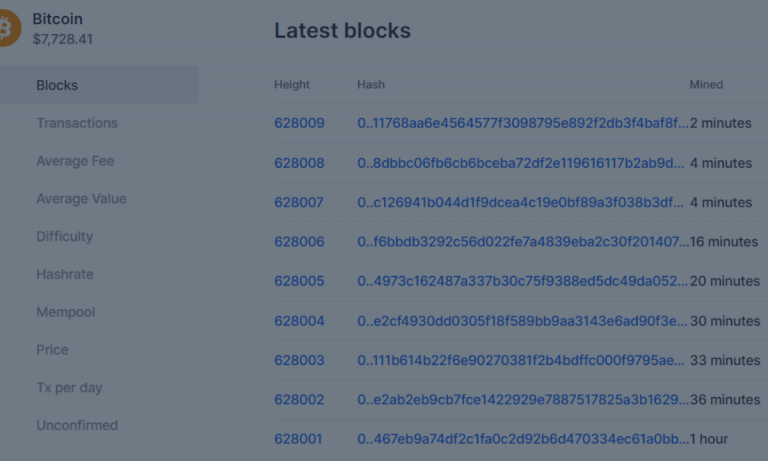
Bitcoin explorers serve as the gateway to the world of cryptocurrency, allowing users to navigate through transactions and block data with ease. These tools have evolved significantly since the inception of Bitcoin, transforming from basic transaction viewers to comprehensive platforms offering a wealth of information about blockchain activities. With the rise of various explorers, each with unique features, users now have the ability to analyze, track, and understand Bitcoin like never before.
As the cryptocurrency landscape continues to grow, understanding how to effectively utilize these explorers can empower users to make informed decisions, whether for personal use or development purposes.
Introduction to Bitcoin Explorers
Bitcoin explorers serve as essential tools within the cryptocurrency ecosystem, enabling users to view and verify transactions on the Bitcoin blockchain. These explorers provide a user-friendly interface to access complex blockchain data, making it easier for both new and experienced users to track their transactions and understand the flow of Bitcoin in the network.The history of Bitcoin explorers dates back to the early days of Bitcoin, when Satoshi Nakamoto’s original vision of a decentralized currency necessitated a way for users to confirm transactions.
The first explorers emerged shortly after the creation of Bitcoin in 2009, with sites like BlockExplorer leading the charge. Over time, as Bitcoin gained popularity and the number of transactions surged, explorers evolved to offer more features, including detailed insights into mining statistics, wallet addresses, and block confirmations.
Popular Bitcoin Explorers
There are several Bitcoin explorers currently in use, each offering unique features that cater to different user needs. Below are some of the most well-known explorers, highlighting their key functionalities.
- Blockchain.com
-One of the oldest and most widely used explorers; it provides detailed transaction histories, wallet information, and network statistics. - Blockchair
-Offers a versatile interface that supports multiple cryptocurrencies and allows users to filter and search transactions with advanced options. - BTCscan
-Known for its real-time data, BTCscan delivers quick insights into the Bitcoin network, including transaction speeds and miner statistics. - BlockCypher
-A developer-friendly platform that offers an API for building applications on the blockchain, alongside traditional explorer functionalities. - CoinMarketCap
-While primarily known for tracking cryptocurrency prices, it also features a basic Bitcoin explorer for transaction lookup and blockchain data.
The usage of these explorers has greatly enhanced transparency in the Bitcoin ecosystem, allowing users to independently verify transactions and track their assets. As the technology continues to evolve, so too do the features and capabilities of these explorers, reflecting the growing complexity and adoption of Bitcoin.
Features of Bitcoin Explorers
Bitcoin explorers are essential tools for anyone involved in the Bitcoin network, providing vital information about transactions, blocks, and the overall status of the blockchain. These platforms enable users to navigate the complex landscape of Bitcoin, offering insights that can enhance understanding and foster informed decision-making.Effective Bitcoin explorers are characterized by a range of key features that cater to the needs of both novice and experienced users.
The ability to access real-time data, track transactions, and explore block details plays a significant role in the utility of these tools. Moreover, features like customizable alerts and intuitive interfaces can greatly enhance user experience.
Key Features of Bitcoin Explorers
The following features are crucial for any effective Bitcoin explorer:
- Real-Time Data: The ability to access up-to-the-minute information about transactions and blocks is essential for users seeking timely insights into their Bitcoin activities.
- Transaction Tracking: Users can input transaction IDs to track the status of their transactions, finding information such as confirmations and fees associated with each transaction.
- Block Exploration: Detailed views of each block, including mined timestamps, size, and the number of transactions included, allow users to analyze the blockchain history.
- Address Lookup: Users can explore specific Bitcoin addresses to view their transaction history and balance, providing transparency and traceability.
- User-Friendly Interface: An intuitive layout makes it easy for users of all experience levels to navigate through the data presented.
- Advanced Search Options: Filters that allow searches by block height, transaction ID, or date range enhance the ability to find specific data points quickly.
- Customizable Alerts: Notifications for significant network events or changes in transaction statuses keep users informed without having to actively monitor the explorer.
| Feature | Explorer A | Explorer B | Explorer C |
|---|---|---|---|
| Real-Time Data | Yes | Yes | No |
| Transaction Tracking | Yes | No | Yes |
| Block Exploration | Yes | Yes | Yes |
| Address Lookup | No | Yes | Yes |
| User-Friendly Interface | Yes | Yes | No |
| Advanced Search Options | No | Yes | Yes |
| Customizable Alerts | Yes | No | No |
Real-time data and transaction tracking are pivotal features that enhance the functionality of Bitcoin explorers. The immediacy of data allows users to make quick decisions regarding their Bitcoin holdings, while transaction tracking provides a transparent view of the Bitcoin network’s activity. For instance, if a user sends Bitcoin to another wallet, being able to track that transaction in real time helps verify that it has been processed and confirmed, which is vital for maintaining trust in the network.
In summary, a combination of these features makes Bitcoin explorers invaluable tools for anyone looking to understand and interact with the Bitcoin blockchain effectively.
How to Use a Bitcoin Explorer
Using a Bitcoin explorer is essential for anyone looking to dive deeper into Bitcoin transactions and the blockchain. These tools provide a wealth of information about each transaction, including details about the sender, receiver, and the amount transferred. Understanding how to navigate these explorers can enhance your comprehension of Bitcoin’s decentralized network.To effectively use a Bitcoin explorer, you need to know how to access it, search for specific information, and interpret the data displayed.
Here’s a step-by-step guide to help you navigate through all the features of a typical Bitcoin explorer.
Accessing a Bitcoin Explorer
To begin utilizing a Bitcoin explorer, follow these steps to access and navigate the interface:
1. Choose a Bitcoin Explorer
Popular options include Blockchair, Blockchain.com, and Blockstream.info. Each has unique features but serves the same fundamental purpose.
2. Visit the Site
Open your web browser and enter the URL of your chosen Bitcoin explorer.
3. Familiarize with the Interface
Once the page loads, take a moment to explore the layout. Most explorers display a search bar prominently at the top, along with sections showing recent transactions, blocks, and network statistics.
Searching for Transactions or Addresses
Finding specific transactions or addresses is a crucial functionality of Bitcoin explorers. Here’s how to effectively conduct searches:
Using the Search Bar
Locate the search bar at the top of the explorer’s homepage. You can input various data points:
Transaction Hash
This is the unique identifier for a Bitcoin transaction.
Bitcoin Address
Inputting a wallet address will show all transactions associated with that address.
Exploring Recent Transactions
Most explorers have a section dedicated to recent transactions. Clicking on any transaction hash will provide detailed information.
Viewing Blocks
You can also search for specific blocks by entering the block height or block hash to examine all transactions included in that block.
Interpreting Data and Metrics
Understanding the data presented in a Bitcoin explorer can be overwhelming at first. However, familiarizing yourself with the key metrics can greatly enhance your insights:
Transaction Details
After searching for a transaction, you’ll see details such as:
Transaction ID
A unique identifier for the transaction.
From and To Addresses
Identifies the sender and receiver of Bitcoin.
Amount
The total Bitcoin transferred in the transaction.
Transaction Fee
The fee paid to miners for processing the transaction.
Block Information
When viewing a block, important metrics include:
Block Height
The position of the block in the blockchain.
Confirmations
Indicates how many blocks have been added on top of this block, validating its permanence.
Time Stamp
Shows when the block was mined.
Network Statistics
Some explorers provide real-time metrics such as:
Hash Rate
The speed at which transactions are being processed.
Difficulty Level
A measure of how difficult it is to find a new block.
Understanding these metrics empowers users to make informed decisions regarding transactions, investment, and general usage of Bitcoin.
Security and Privacy Considerations
Using a Bitcoin explorer can be a valuable tool for tracking transactions and gaining insights into the blockchain. However, it’s crucial to be aware of the potential security risks and privacy concerns that come with using these tools. Understanding these issues can help users protect their personal information while exploring the vast landscape of Bitcoin transactions.Bitcoin explorers allow users to view transaction details, wallet balances, and other blockchain-related data.
However, using these services can expose users to several security risks. One of the primary concerns is the possibility of phishing attacks, where malicious websites mimic legitimate explorers to steal personal information or private keys. Furthermore, many explorers log user activity, which can compromise anonymity and lead to targeted attacks.
Potential Security Risks
It’s essential to recognize the various security threats associated with Bitcoin explorers. Key risks include:
- Phishing Attacks: Fake websites can trick users into entering sensitive information.
- Data Logging: Some explorers may track user activity, logging IP addresses and transaction histories.
- Malware Risks: Malicious software can be introduced through compromised explorers or links.
- Unencrypted Connections: Using explorers without HTTPS can expose data to interception.
To mitigate these risks, users need to adopt measures that protect their personal information while using a Bitcoin explorer. Awareness and proactive steps can significantly reduce the chances of falling victim to a security breach.
Methods to Protect Personal Information
Protecting personal information while using Bitcoin explorers is essential for maintaining privacy and security. Users can implement several strategies, such as:
- Use Reputable Explorers: Always choose well-known and trusted explorers that have a history of good security practices.
- Utilize VPNs: A Virtual Private Network can help mask your IP address, enhancing anonymity.
- Enable Multi-Factor Authentication: If available, using MFA adds a layer of security to your accounts.
- Be Cautious with Links: Avoid clicking on unknown links that may lead to phishing sites.
Implementing these methods can help users navigate Bitcoin explorers with greater confidence and reduced risk.
Importance of Choosing Reputable Bitcoin Explorers
Selecting a trustworthy Bitcoin explorer is critical for ensuring a secure experience. Reputable explorers typically have robust security measures in place and a history of transparency.
- Security Practices: Established explorers regularly update their systems and employ advanced security protocols.
- User Reviews and Reputation: Check for feedback from the community to gauge reliability and trustworthiness.
- Clear Privacy Policies: Reputable explorers provide clear guidelines on how they handle user data.
Choosing reliable Bitcoin explorers not only reduces risks but also enhances the overall experience, enabling users to explore the blockchain with peace of mind.
Advanced Functions of Bitcoin Explorers
Bitcoin explorers are not just basic tools for tracking transactions; they come packed with advanced functions that can enhance user experience and provide deep insights into the Bitcoin network. These features cater to developers, investors, and anyone keen on digging deeper into the blockchain data.
Block Analysis and Address Monitoring
One of the standout features of advanced Bitcoin explorers is block analysis, which allows users to view detailed information about blocks on the blockchain. This includes the block size, transaction count, and mining difficulty. Address monitoring takes tracking a step further by allowing users to follow specific addresses and their transactions. This is particularly useful for investors wanting to keep tabs on large wallets or suspicious activities.
- Block Analysis: Users can analyze blocks to understand transaction patterns, miner performance, and overall network health.
- Address Monitoring: Setting up alerts for specific addresses can help track significant transactions or market movements.
- Transaction History: Comprehensive view of all transactions associated with a particular address over time.
- Network Statistics: Detailed insights into network performance, including transaction times and fees.
Setting Up Alerts for Transactions and Wallet Activity
Setting up alerts can significantly enhance the way users interact with Bitcoin. By receiving real-time notifications for specific transactions or wallet activities, users can react promptly to market changes or security issues. To set up alerts, users often need to create an account on the chosen Bitcoin explorer and then specify the conditions for alerts. This can include:
- Monitoring specific addresses for incoming or outgoing transactions.
- Receiving notifications when transactions exceed a certain value.
- Alerting users about changes in block confirmations.
Utilizing these alerts can provide a strategic advantage, especially in a volatile cryptocurrency market.
Utilizing Explorer APIs for Development
Developers can leverage Bitcoin explorer APIs to integrate blockchain data into their applications. These APIs provide a wide range of functionalities, enabling developers to access real-time data, historical transaction records, and other essential blockchain information.Examples of applications that utilize explorer APIs include:
- Wallet Services: Integrating transaction tracking and balance inquiries into wallet applications.
- Analytics Platforms: Building tools that analyze transaction patterns and user behaviors.
- Trading Bots: Employing APIs to monitor price changes and execute trades automatically based on specific market conditions.
By utilizing these advanced functions and API capabilities, users and developers can maximize their understanding and interaction with the Bitcoin network, ensuring they stay ahead in the fast-paced world of cryptocurrencies.
The Role of Bitcoin Explorers in the Ecosystem
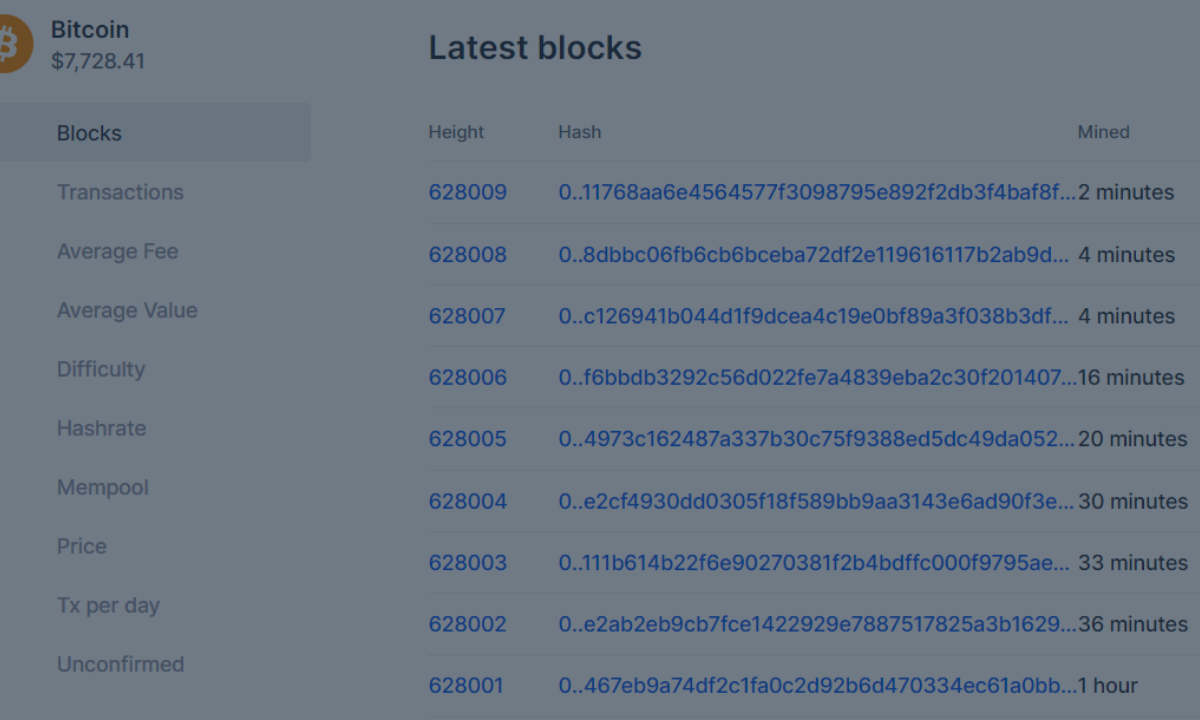
Bitcoin explorers play a pivotal role in the cryptocurrency landscape by enhancing transparency and fostering trust among users. These online tools empower individuals to monitor transactions and blockchain data in real-time, thereby creating a more informed community. In an ecosystem where anonymity can sometimes lead to suspicion, explorers serve as a bridge between the complex world of blockchain technology and everyday users, demystifying the intricacies of digital currency transactions.The transparency provided by bitcoin explorers significantly impacts how users interact with the blockchain.
By allowing anyone to view transaction histories, explorers promote accountability and reduce the likelihood of fraudulent activities. This visibility not only builds user trust but also reflects the underlying principles of decentralization and openness inherent in blockchain technology. The ability to trace transactions back to their origin enhances understanding and confidence in the network’s integrity.
Impact on Market Movements
The relationship between bitcoin explorers and market movements is intricate and far-reaching. As users engage with explorers, they gain insights into transaction volumes, miner activity, and wallet behaviors, all of which can influence market sentiment. Understanding these trends is crucial for traders and investors as they navigate the volatile cryptocurrency landscape.For instance, an increase in transaction fees may indicate heightened demand or network congestion, prompting traders to reassess their positions.
Similarly, significant movements from large wallets, often referred to as “whales,” can signal potential market shifts, leading participants to adjust their strategies accordingly. By analyzing data from explorers, market participants can make more informed decisions, ultimately affecting trading volumes and price fluctuations.In summary, bitcoin explorers contribute to the overall understanding of blockchain technology while reinforcing transparency and trust within the ecosystem.
Their role in illuminating market movements enhances user engagement and fosters a more knowledgeable trading environment.
Future Trends in Bitcoin Exploration
As the cryptocurrency landscape continues to evolve, Bitcoin explorers are poised to adapt and innovate in response to emerging trends. These tools will not only enhance functionality but also improve user experience, ensuring that they remain indispensable in navigating the complex world of blockchain technology. The following discussion delves into key developments that are likely to shape the future of Bitcoin explorers.
Emerging Trends Influencing Bitcoin Explorers
Several trends are emerging that could significantly influence the development and functionality of Bitcoin explorers. These advancements will be driven by both technological progress and shifts in user demand.
- Increased Integration with Layer 2 Solutions: As the Bitcoin network adopts layer 2 scaling solutions like the Lightning Network, explorers will need to adapt their interfaces to track transactions made on these platforms. This integration will allow users to monitor off-chain transactions seamlessly.
- Enhanced User Interface and User Experience: Future explorers are likely to prioritize user-friendly designs, incorporating intuitive dashboards that provide insights at a glance. Users will appreciate features that simplify transaction tracking and wallet management.
- Support for Multi-Asset Tracking: As more cryptocurrencies gain traction, explorers may expand to facilitate multi-asset tracking. This feature would allow users to monitor their portfolios across various blockchain networks from a single interface.
- Real-Time Data Analytics: The demand for real-time analytics is increasing. Future explorers could leverage advanced data analytics to provide immediate insights on transaction speeds, fees, and network congestion, enabling users to make informed decisions rapidly.
- Interoperability Between Blockchains: As blockchain technology matures, the ability for different blockchains to interact is becoming more feasible. Explorers may evolve to support cross-chain transactions, allowing users to follow their assets across multiple networks.
Innovative Features Enhancing User Experience
The future of Bitcoin explorers will also be characterized by innovative features designed to enhance user experience. These enhancements will focus on making data more accessible and actionable.
- Custom Alerts and Notifications: Users may benefit from customizable alerts that inform them about important events such as significant price changes or transaction confirmations, ensuring they stay updated on crucial developments.
- Enhanced Privacy Features: With growing concerns over privacy, future explorers might integrate features that enable users to conduct transactions anonymously. This includes utilizing coin mixing services or implementing Tor for browsing.
- Educational Resources and Tools: Explorers could become more than just tracking tools; they may include built-in educational resources that help users understand blockchain technology and cryptocurrency, guiding them through complex transactions.
- API Access for Developers: Providing API access could empower developers to create custom applications or integrations, allowing for a diverse range of use cases that extend the explorer’s functionality beyond its core features.
Impact of Blockchain Advancements on Explorer Functionality
Advancements in blockchain technology are fundamentally transforming how Bitcoin explorers function. These changes will ensure that explorers remain relevant and useful in a rapidly evolving ecosystem.
- Smart Contracts: The implementation of smart contracts on the Bitcoin network might lead to more complex transaction types. Explorers will need to evolve to interpret and display smart contract executions effectively.
- Decentralized Finance (DeFi) Integration: As DeFi continues to expand, explorers may integrate features that allow users to track their DeFi investments directly. This could include information on lending protocols and yield farming opportunities.
- Advanced Security Protocols: With increasing cyber threats, explorers will likely adopt enhanced security measures such as biometric verification or multi-signature wallets to protect user data and assets.
- Regulatory Compliance Features: As governments worldwide impose regulations on cryptocurrencies, explorers may need to incorporate features that help users comply with legal requirements, such as tax reporting tools.
“Future Bitcoin explorers will not only enhance user experience but will also adapt to the evolving landscape of blockchain technology, ensuring users can navigate the complexities of the cryptocurrency ecosystem efficiently.”
Final Conclusion
In conclusion, Bitcoin explorers play a crucial role in enhancing transparency and trust within the Bitcoin ecosystem. They not only provide valuable insights into transaction histories and potential market movements but also serve as vital tools for developers and investors alike. As the technology behind these explorers continues to advance, we can expect even more innovative features that will further enrich our understanding of cryptocurrencies.
Answers to Common Questions
What is a Bitcoin explorer?
A Bitcoin explorer is a web-based tool that allows users to view and analyze all transactions on the Bitcoin blockchain.
How do I search for a specific transaction?
You can search for a specific transaction by entering the transaction ID or Bitcoin address in the search bar of the explorer.
Are Bitcoin explorers safe to use?
Yes, as long as you use reputable explorers, they are generally safe. However, always protect your personal information.
What features should I look for in a Bitcoin explorer?
Look for features like real-time data, transaction history, block details, and user-friendly navigation.
Can developers use Bitcoin explorer APIs?
Yes, many Bitcoin explorers offer APIs for developers to integrate blockchain data into their applications.